"SHARE TO UNDERSTAND" __ Ago 22 - 29
Tallinn-Milano-Brussels-Melpignano-Venice-Modena
At work - On holiday - Travelling
TЯA

COSA RESTA
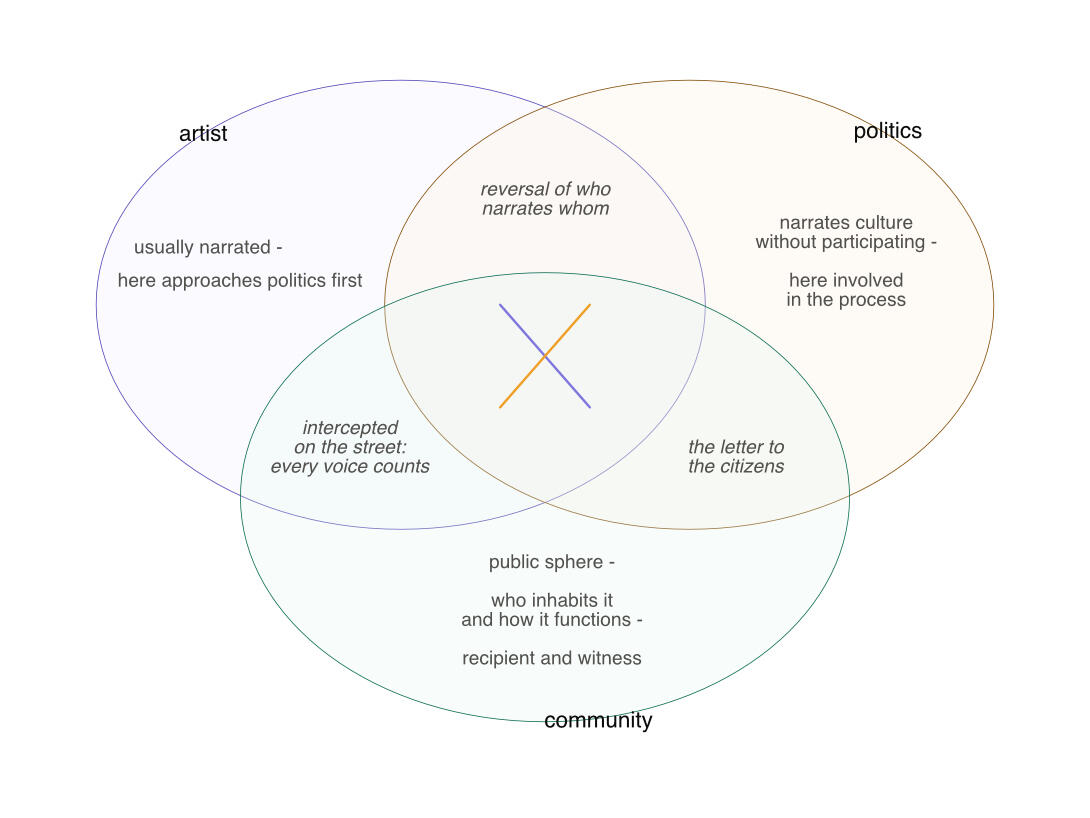
Cosa resta una volta che gli artisti sono ripartiti? È una domanda che ogni residenza, prima o poi, incontra. Non per obbligo di rendicontazione, ma perché una residenza vive di ciò che le viene affidato — spazi, tempo, fiducia, risorse pubbliche — e ciò che viene affidato chiede, col tempo, di mostrare cosa ha generato. Mostrare, non dichiarare: la tenuta di istituzioni fragili per natura passa anche da qui — dalla possibilità di rendere visibile cosa resta, a chi resta, e chi ha titolo per raccontarlo. Da qui l'intenzione di dotare gli artisti in residenza di strumenti capaci di contribuire a questa tenuta — rivolgendosi direttamente alla politica locale.TЯA, come suggerisce la R rovesciata nel suo stesso nome, lavora spesso per inversione rispetto alle logiche consuete — un'inversione che procede per associazioni, per accostamenti inattesi, più che per logica lineare. Qui l'inversione riguarda il rapporto tra gli artisti in residenza e l'amministrazione locale: solitamente è la politica a produrre da sé la narrazione della cultura, osservandola dall'esterno, senza parteciparvi.TЯA fa il percorso opposto — va verso la politica, individua per tempo una persona specifica e la coinvolge nella coproduzione del racconto. Il patto è dichiarato dal primo giorno: nessuna strategia implicita, ma un invito esplicito a raccontare insieme: una narrazione che nasce da un coinvolgimento reale, non di superficie.
COSA RESTA
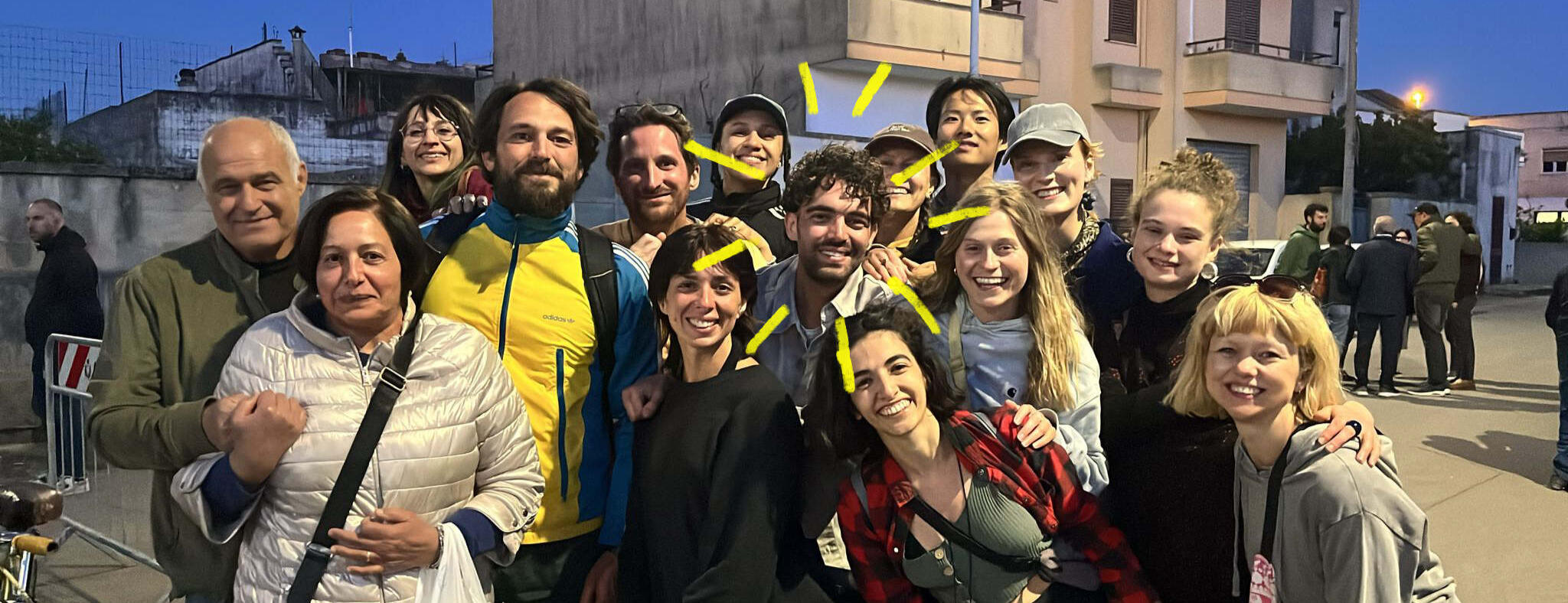
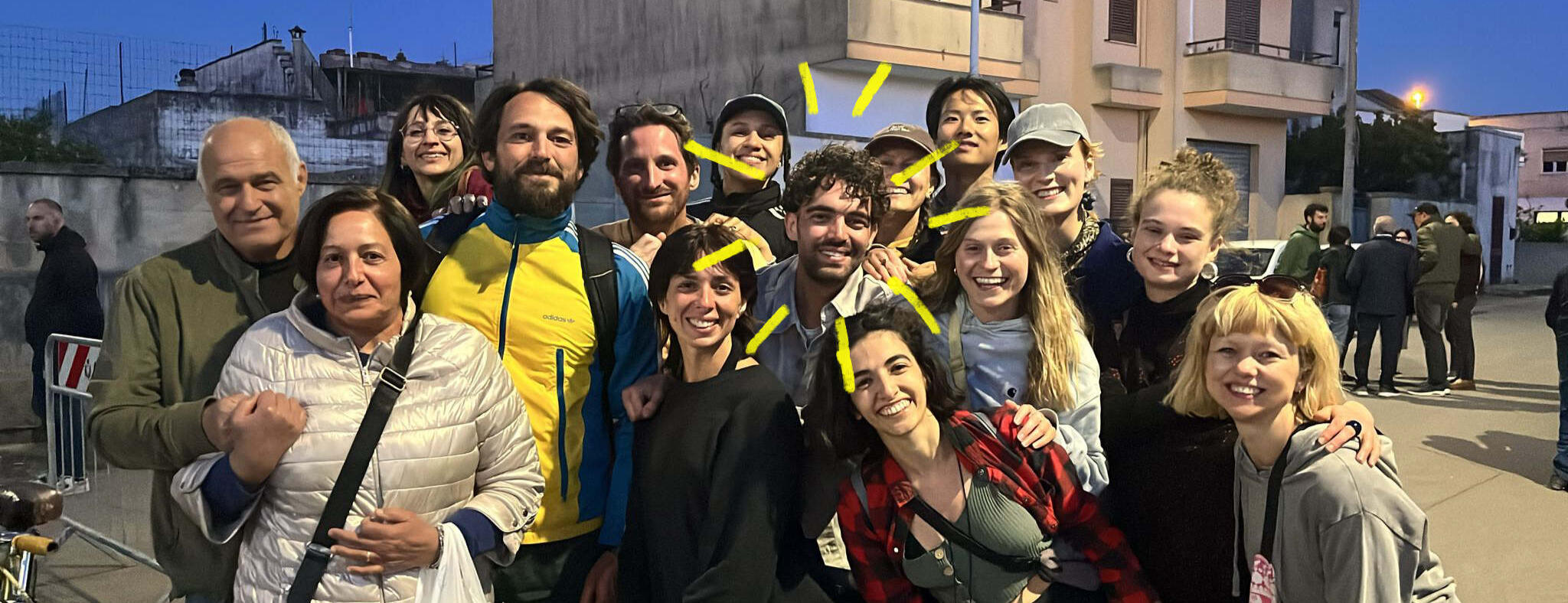
Il primo strumento è qui esemplificato da una lettera firmata da Giacomo Treglia, giovane assessore del Comune di Melpignano, rivolta alla cittadinanza e pubblicata sul sito della residenza. La lettera è stata scritta dopo le elezioni, nel momento in cui Giacomo — tra i nuovi eletti della lista vincitrice, non ancora tra i volti più esposti del paese — ha cominciato a interagire con la residenza.L'individuazione non è casuale: tra tutti i politici locali coinvolti, Giacomo è quello che ha avuto l'esposizione più lunga, spontanea e continuativa al processo — nel risolvere problemi pratici, nel proporre iniziative, nell'ascolto quotidiano di chi partecipava alla residenza, e — come si vede dalla foto — nel desiderio stesso di partecipare alla vita sociale del gruppo.È, inoltre, un professionista della politica, capace di restituire l'esperienza con il linguaggio e la sensibilità che il compito richiede. Ne nasce un documento dal doppio valore: registra ciò che è accaduto, e allo stesso tempo costruisce un dialogo diretto con chi amministra la comunità, dando visibilità a chi, pur meno esposto, ha investito di più nel processo.
COSA RESTA
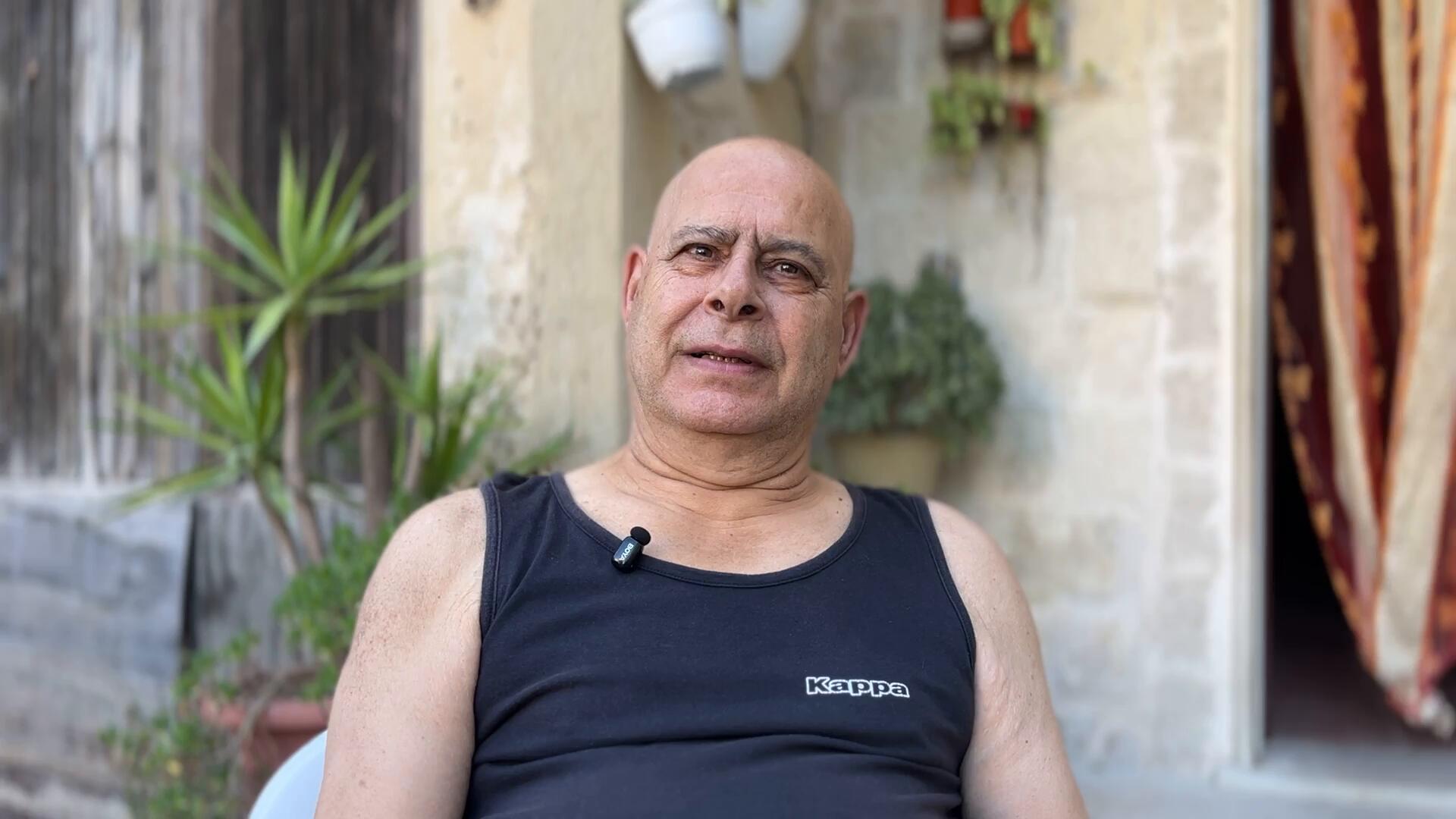
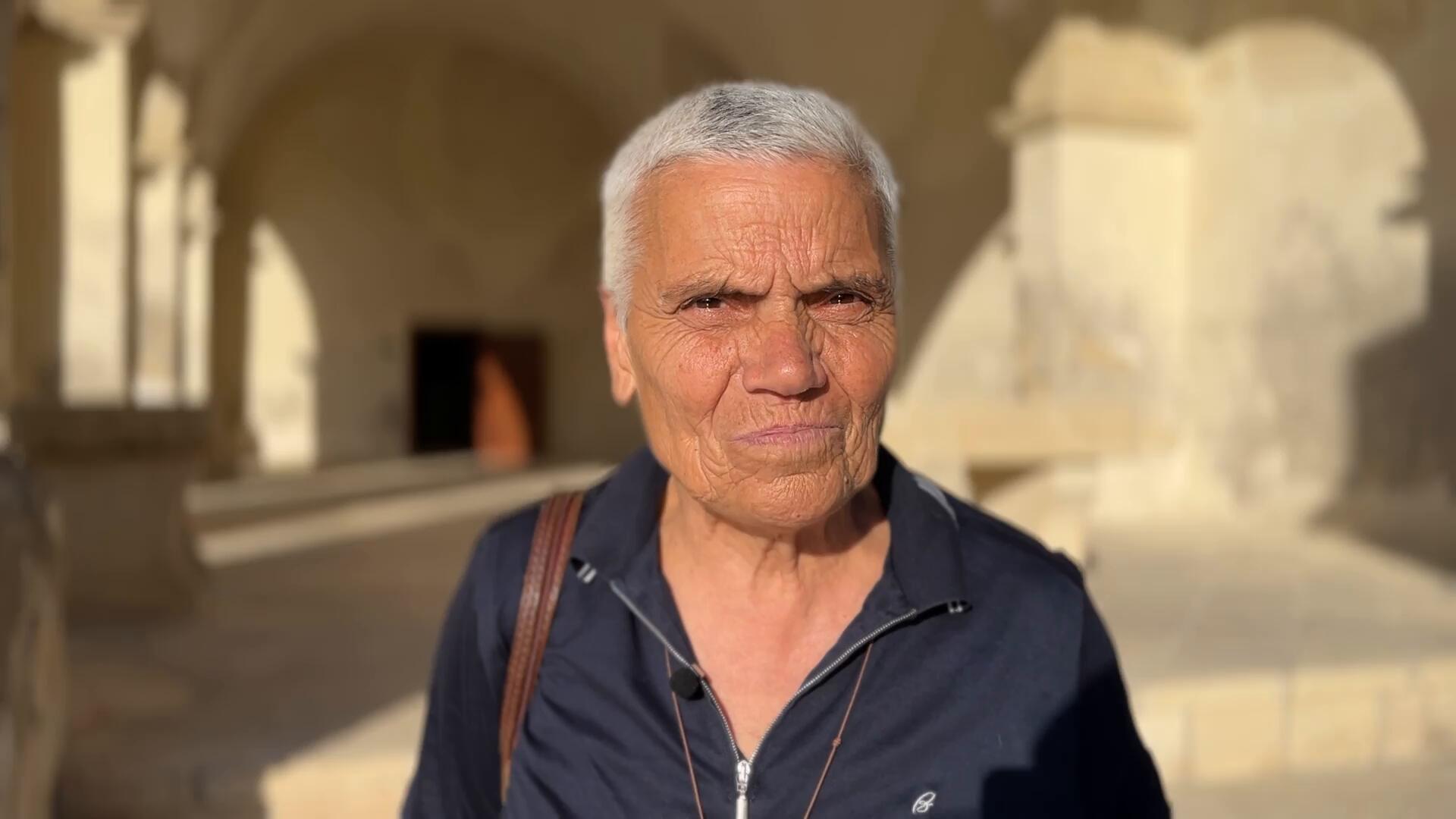
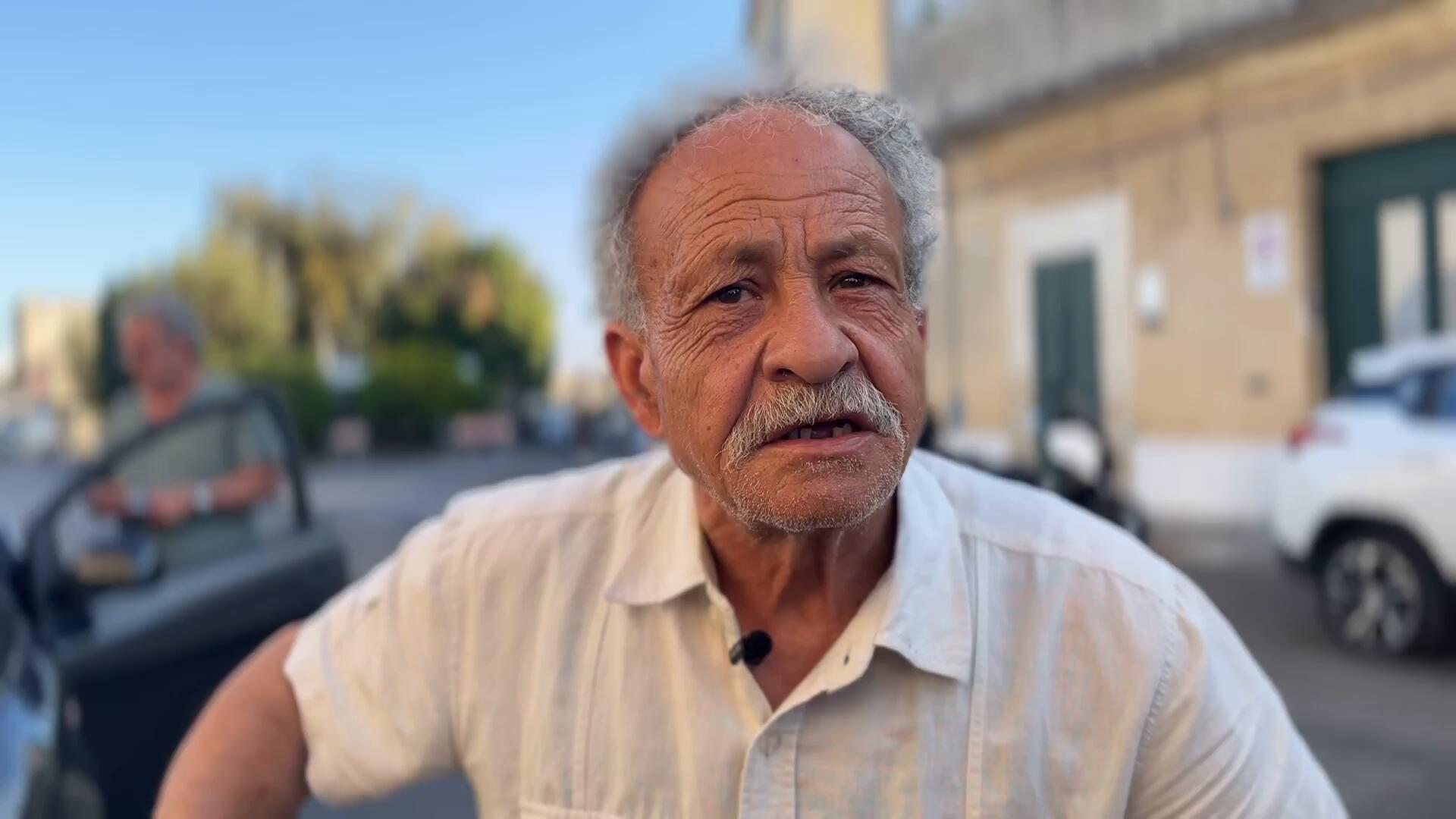
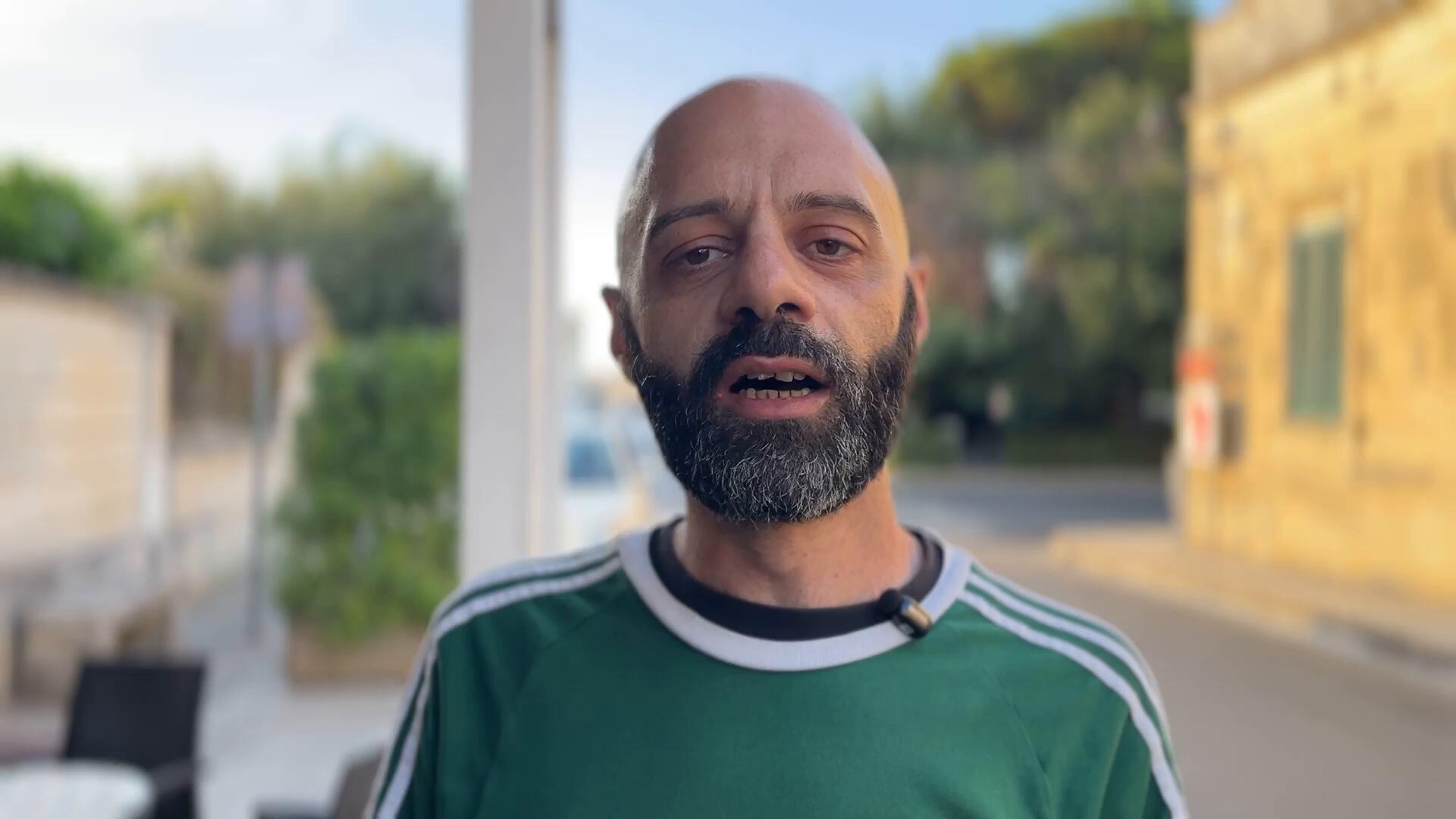
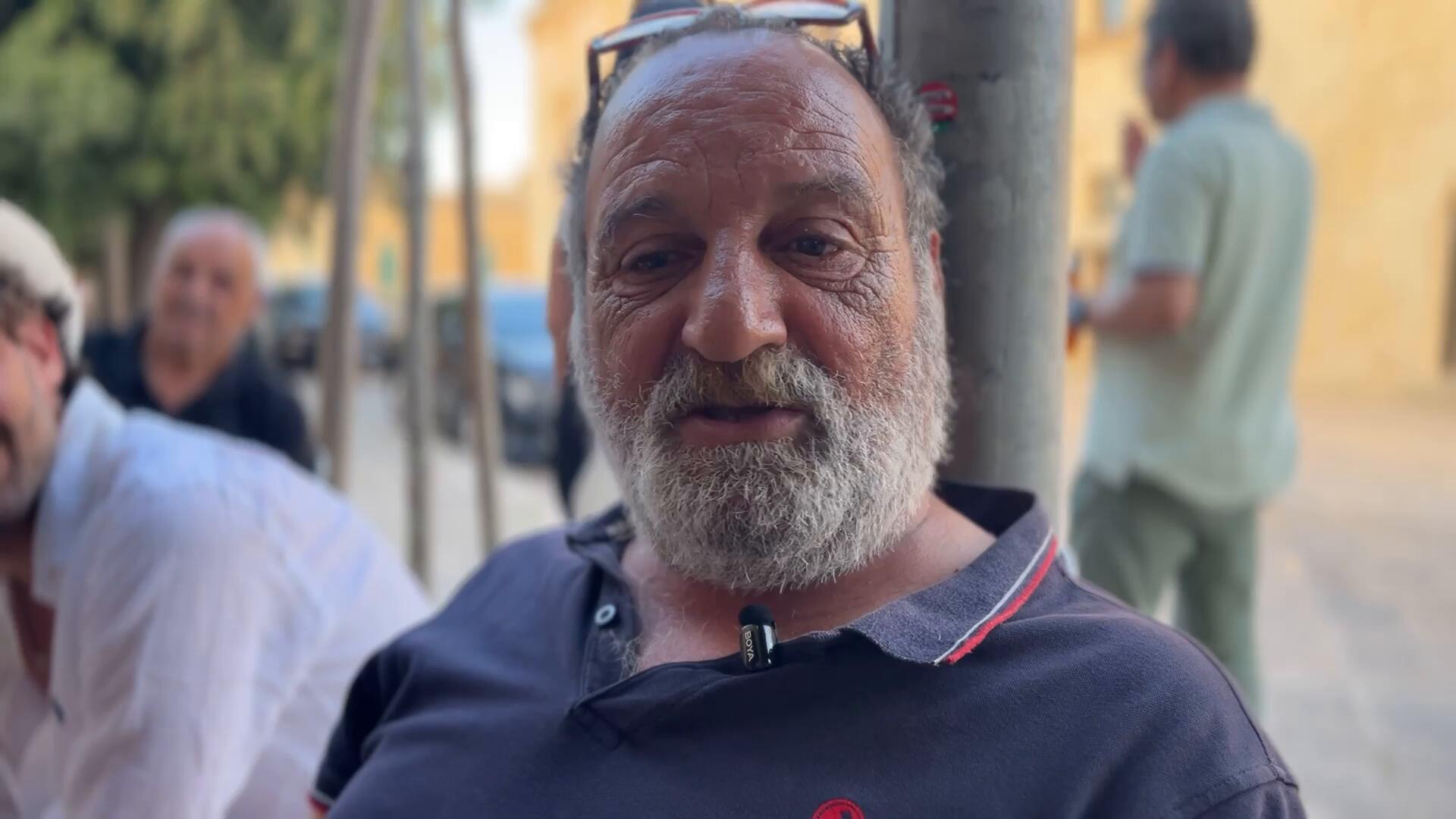
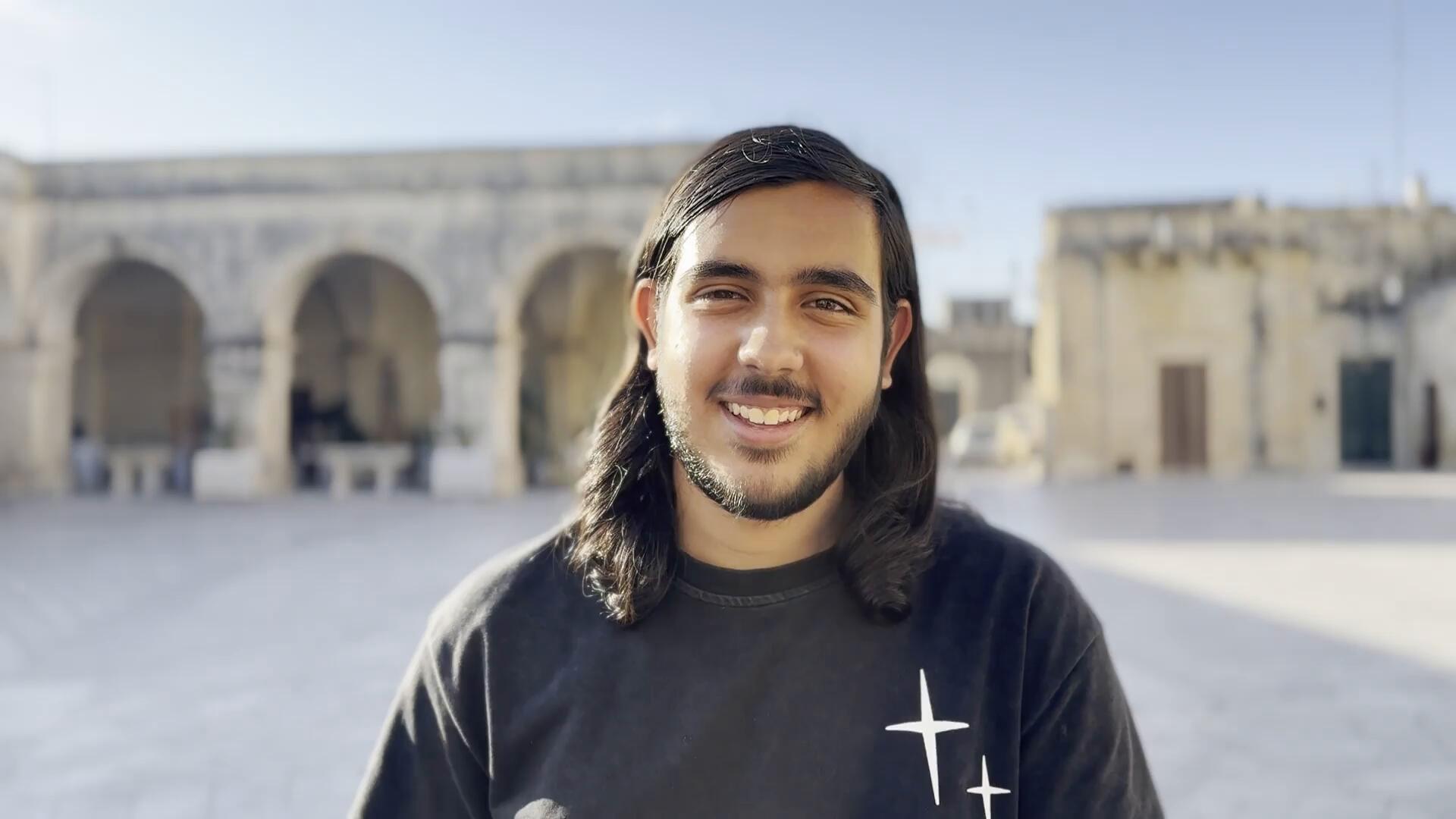
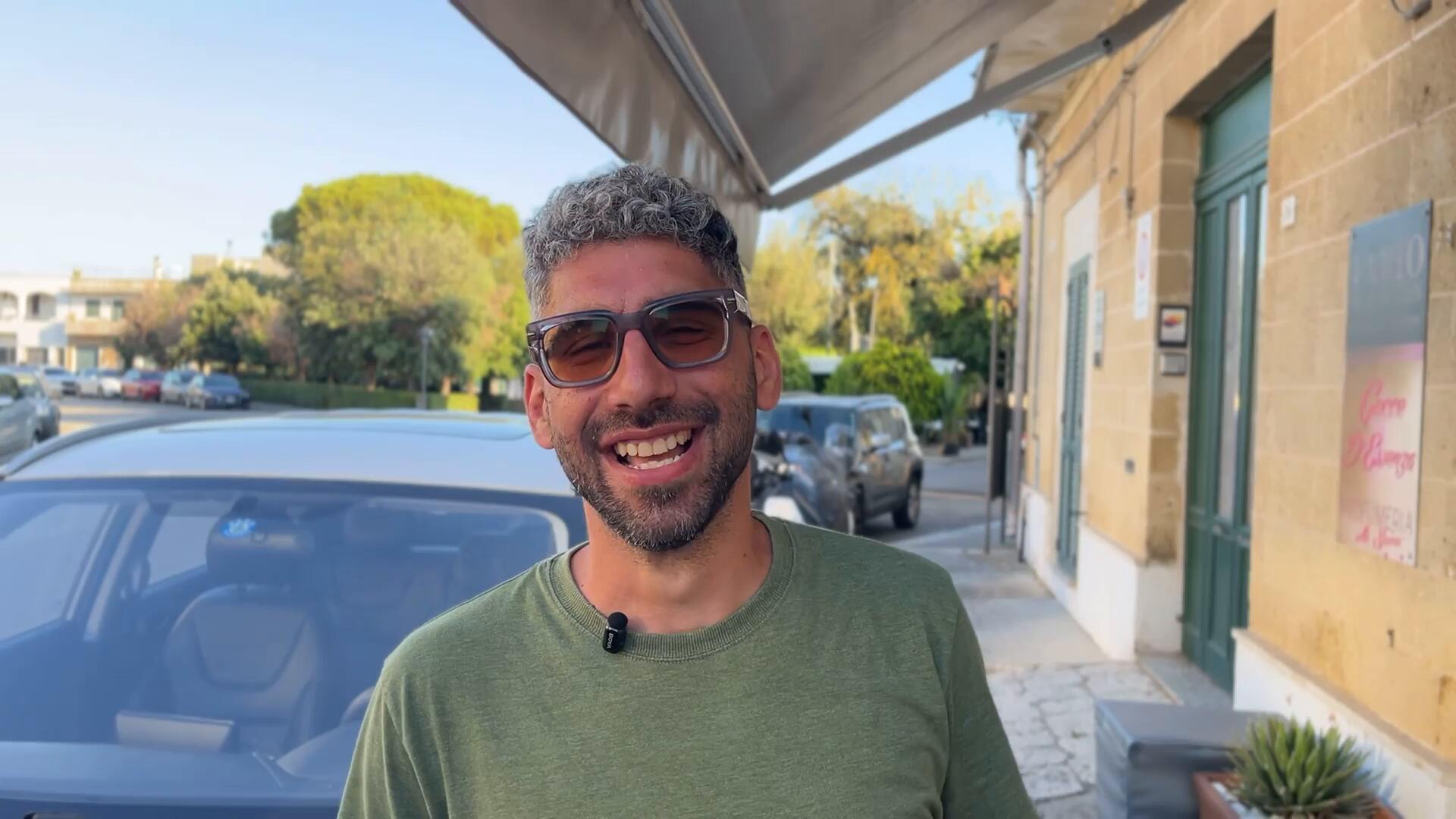
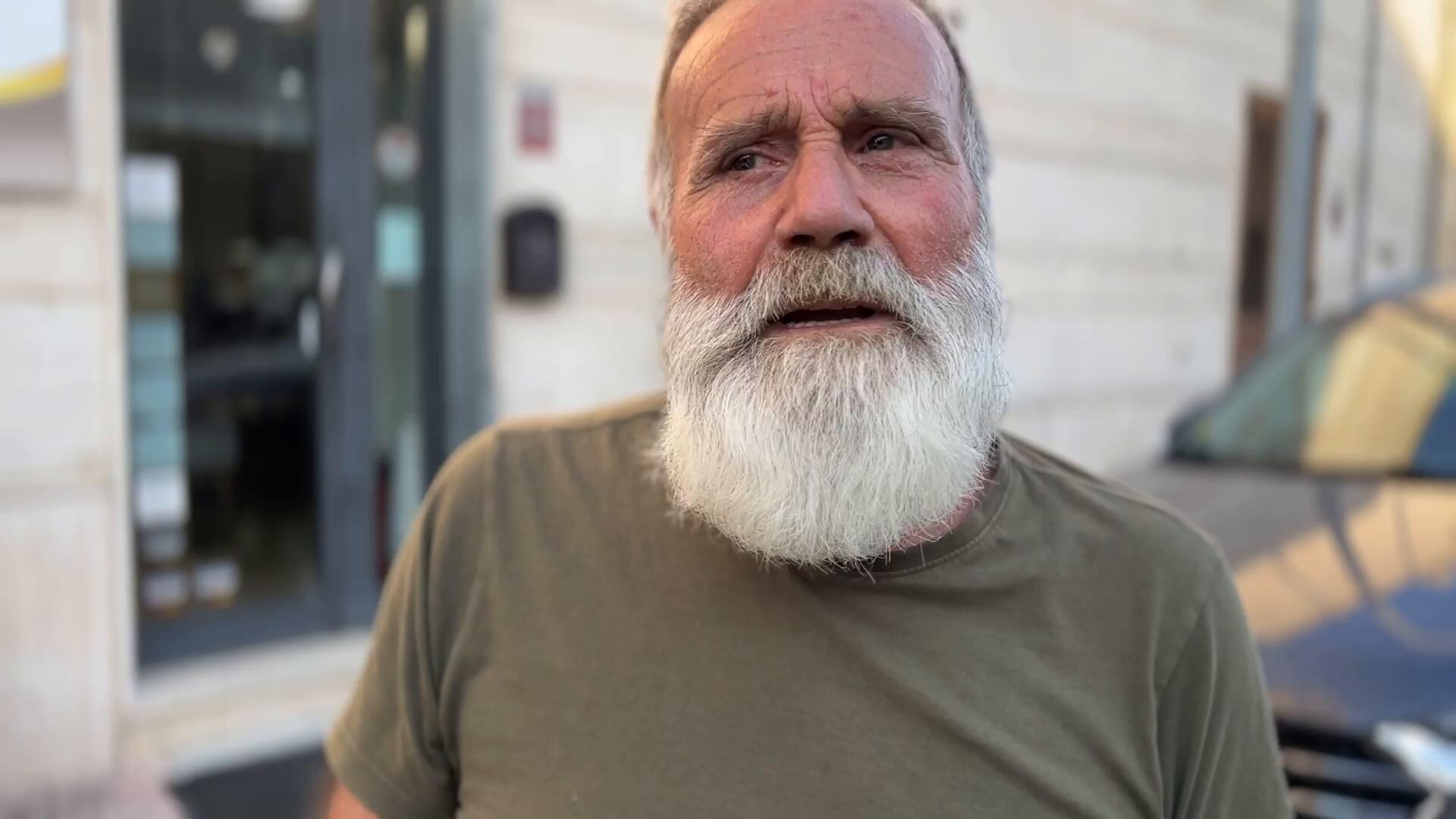
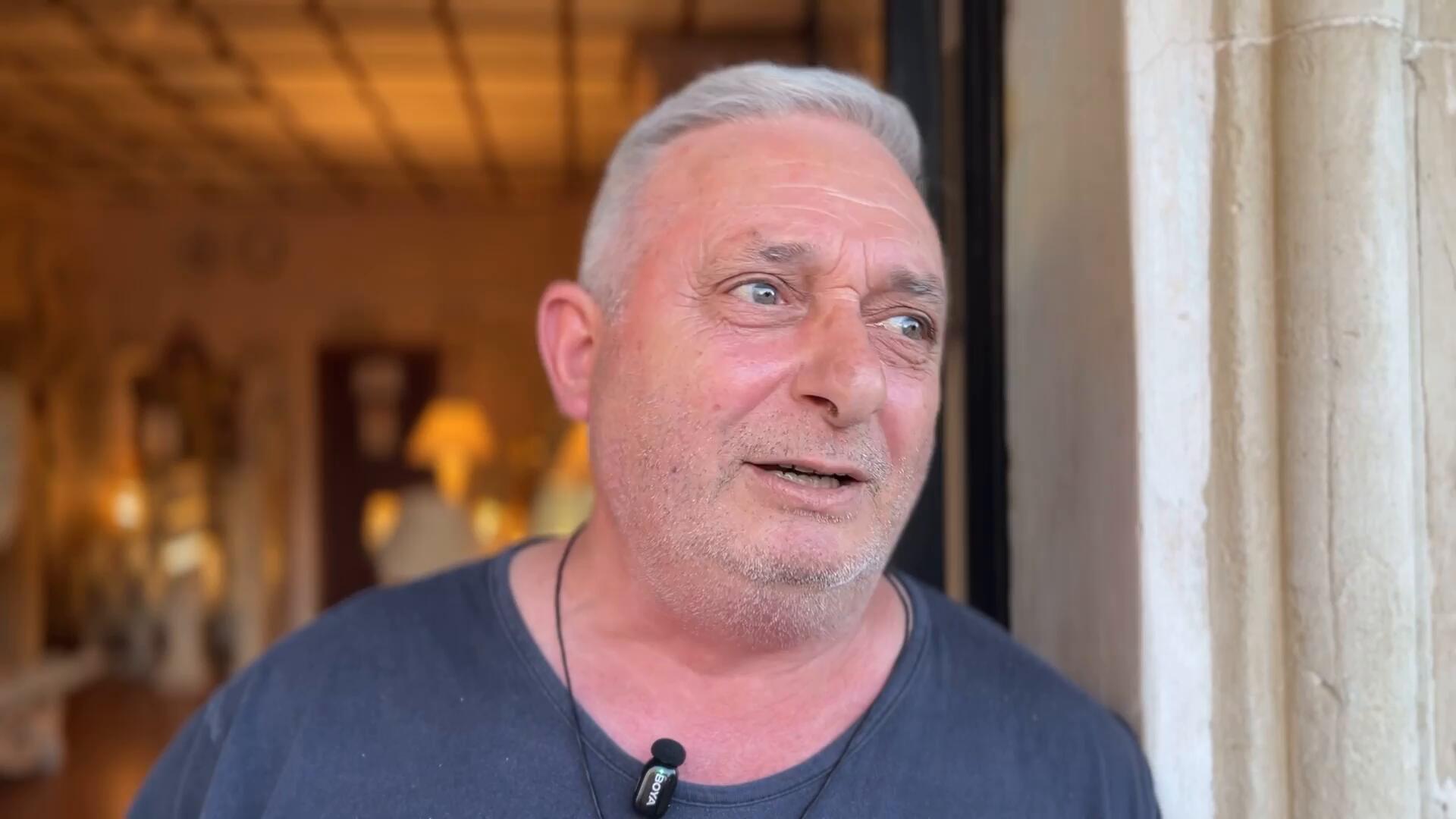
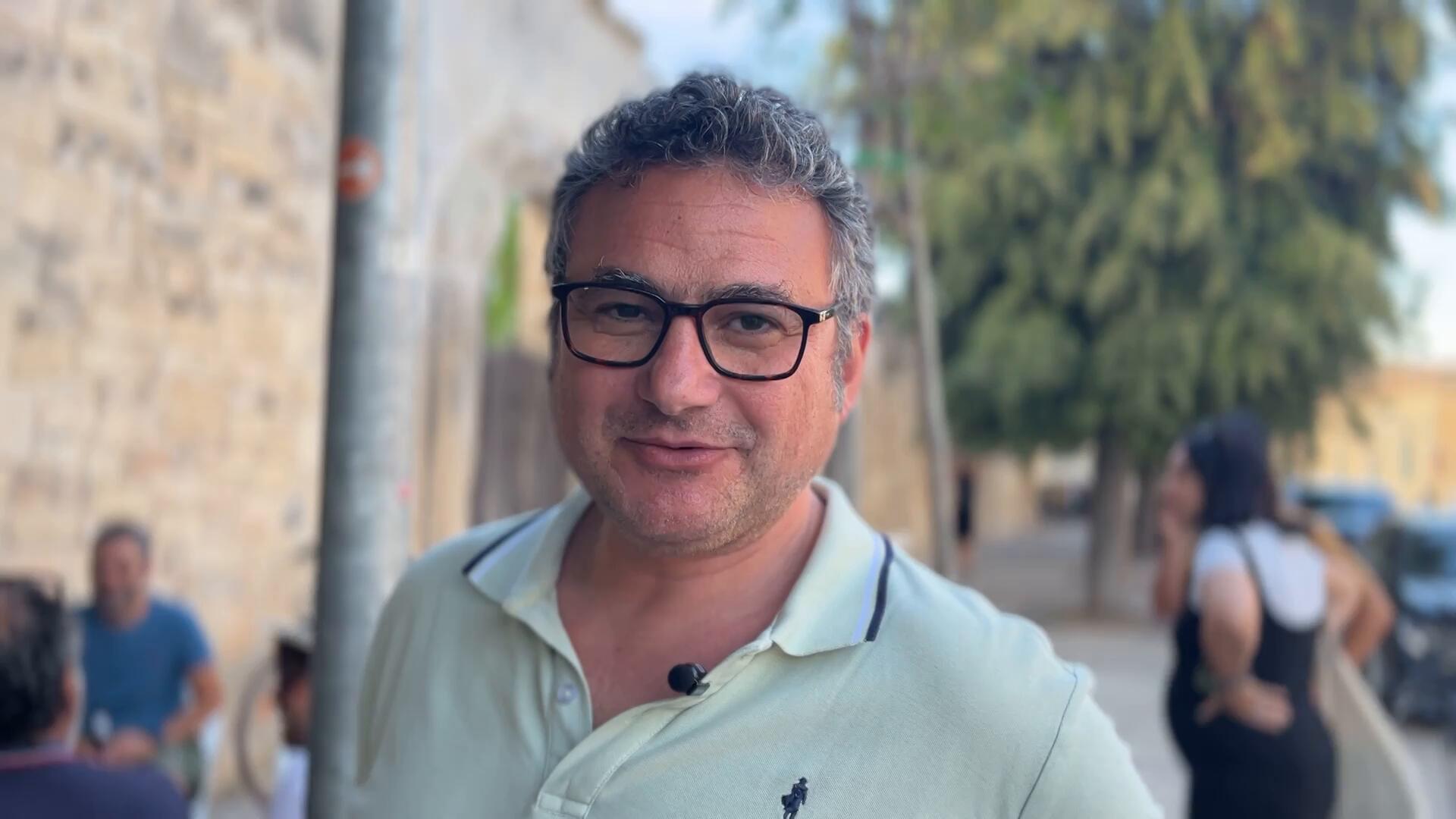
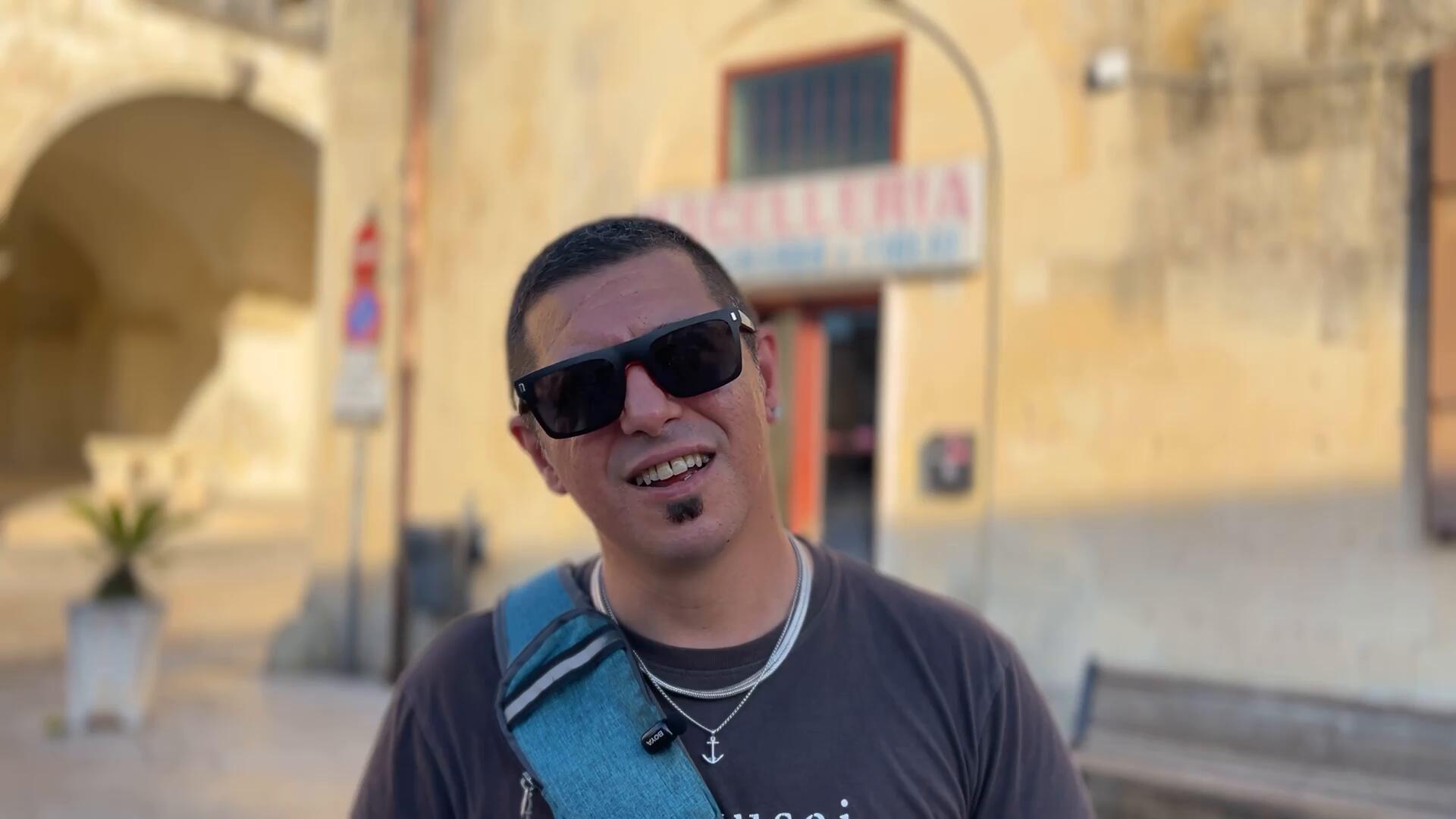
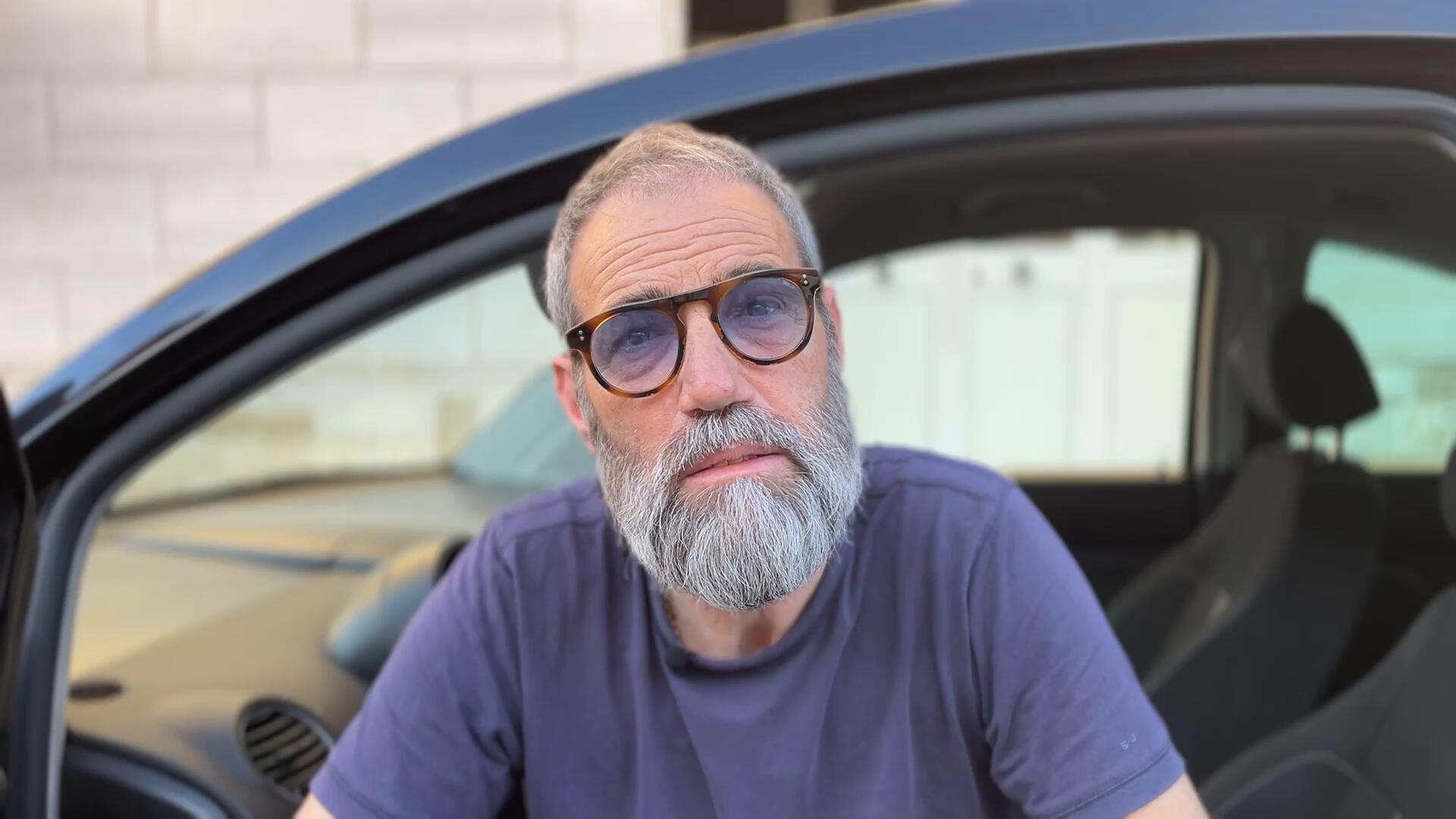
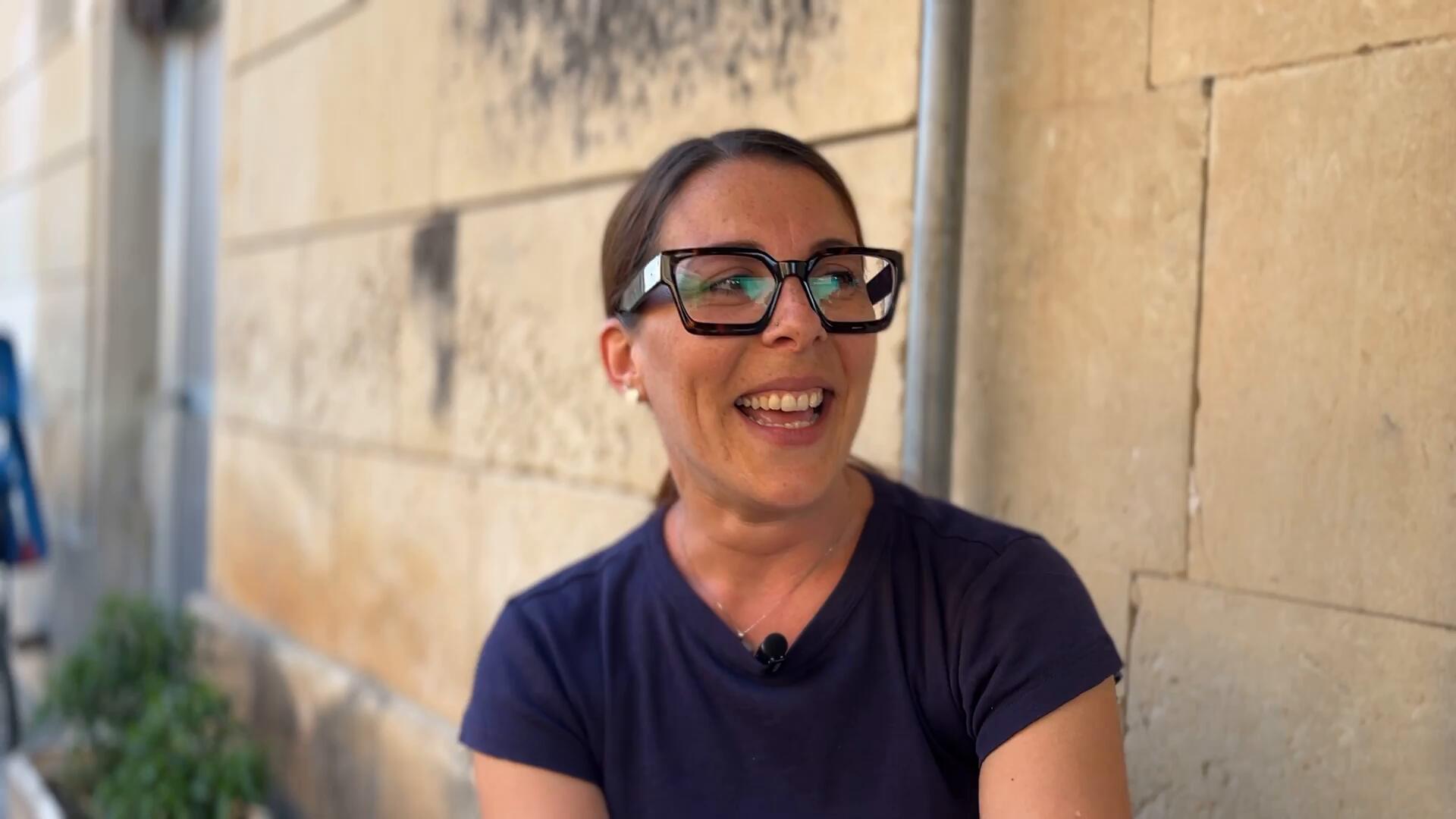
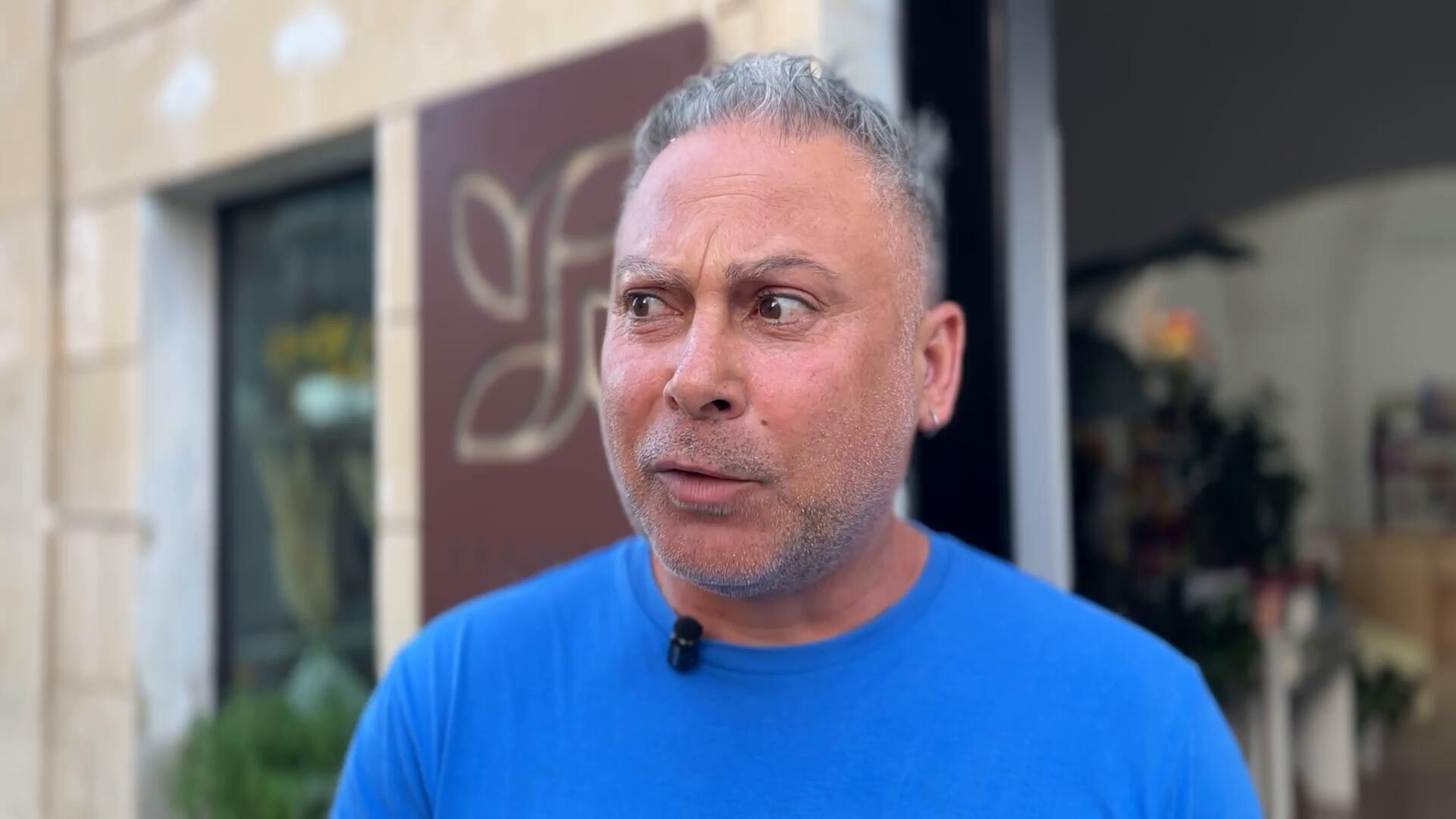
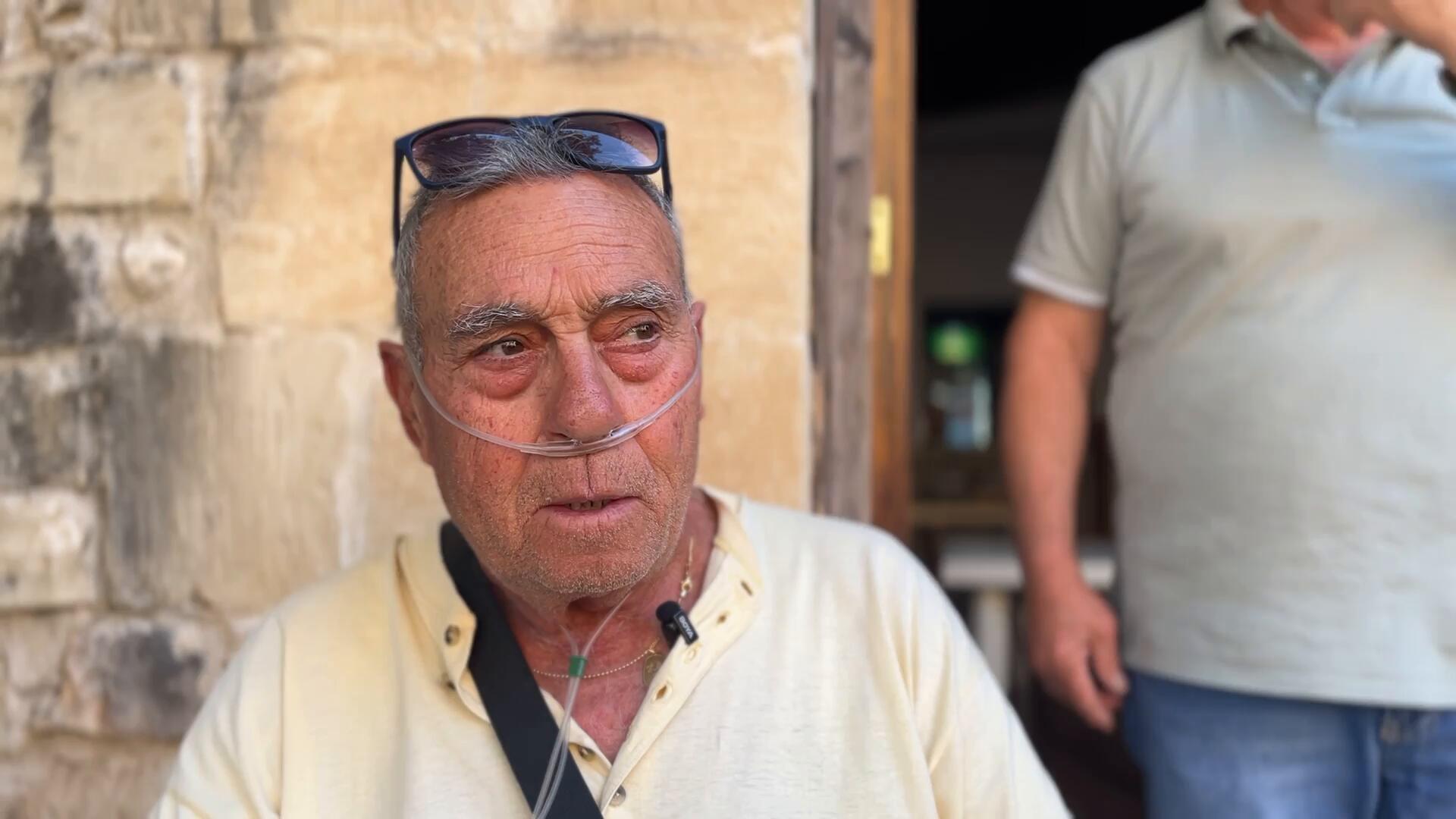
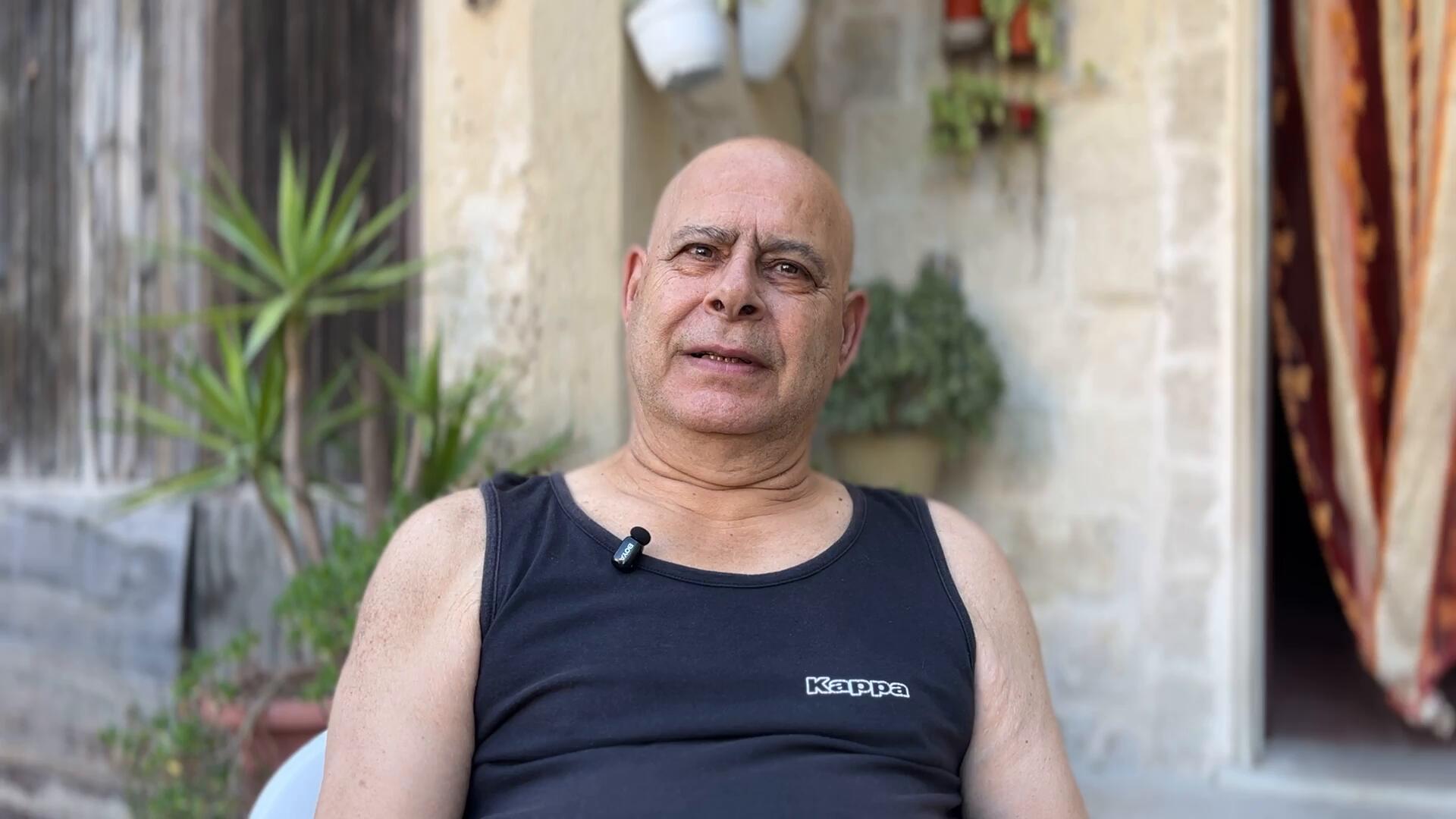
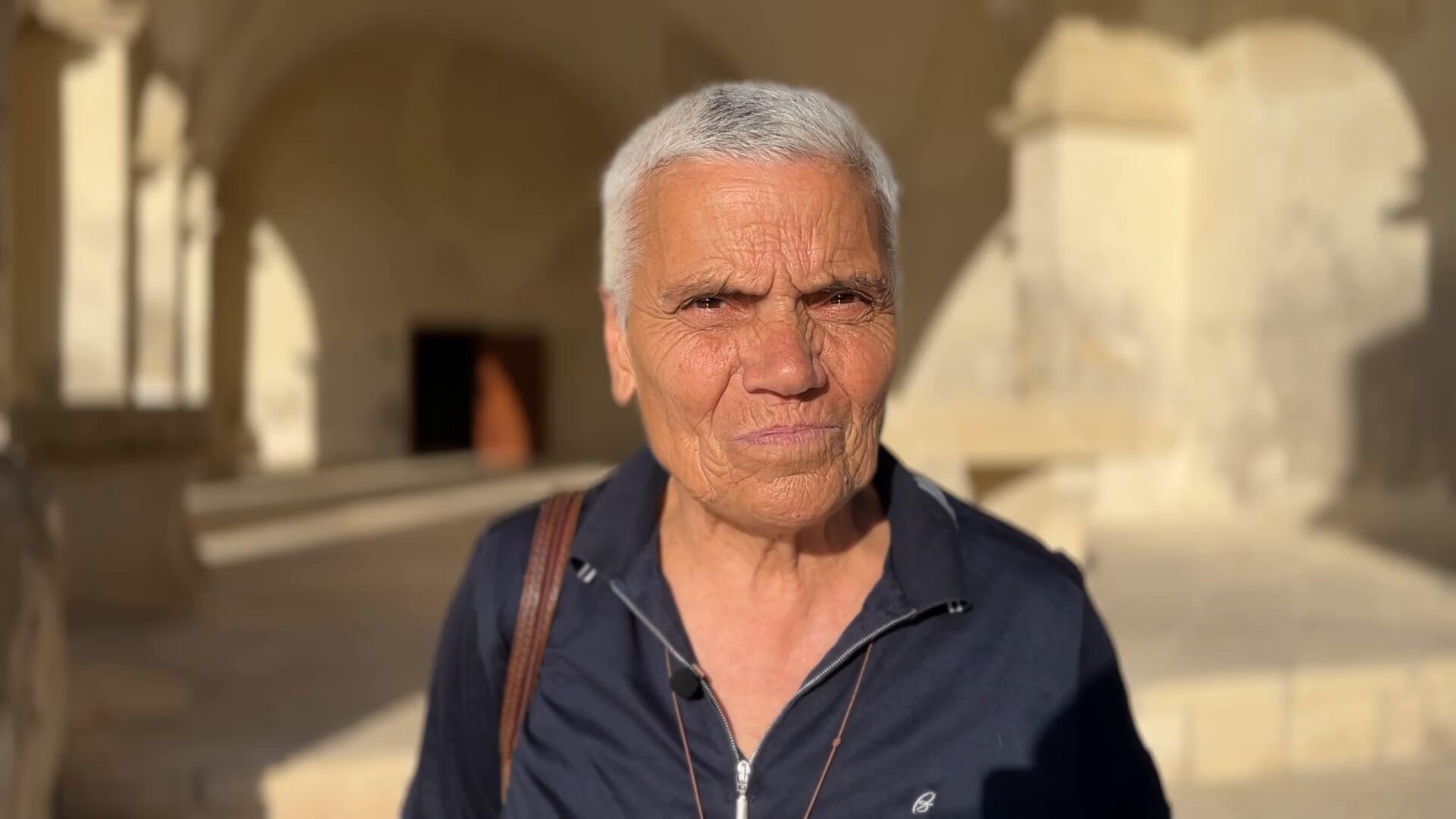
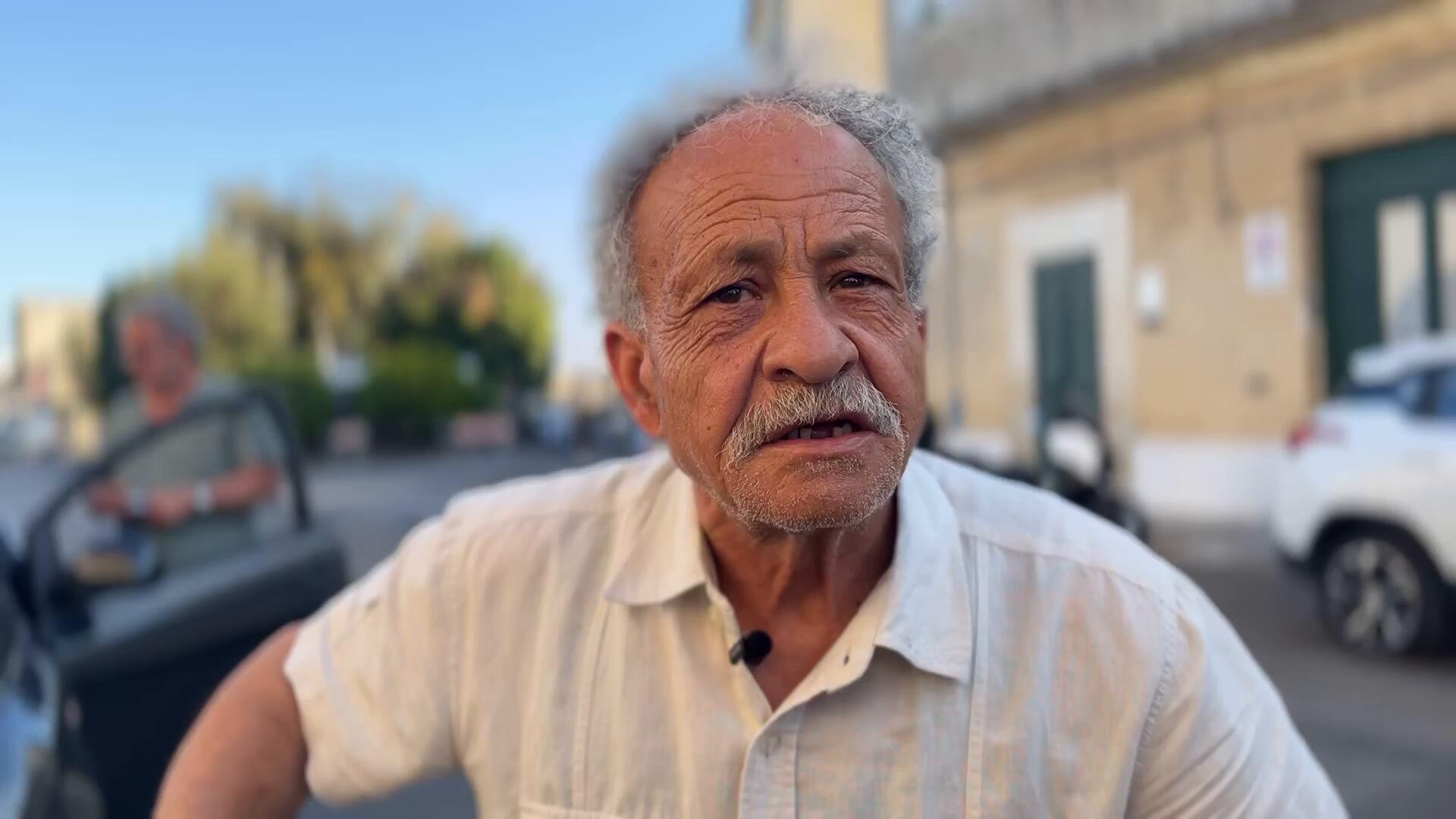
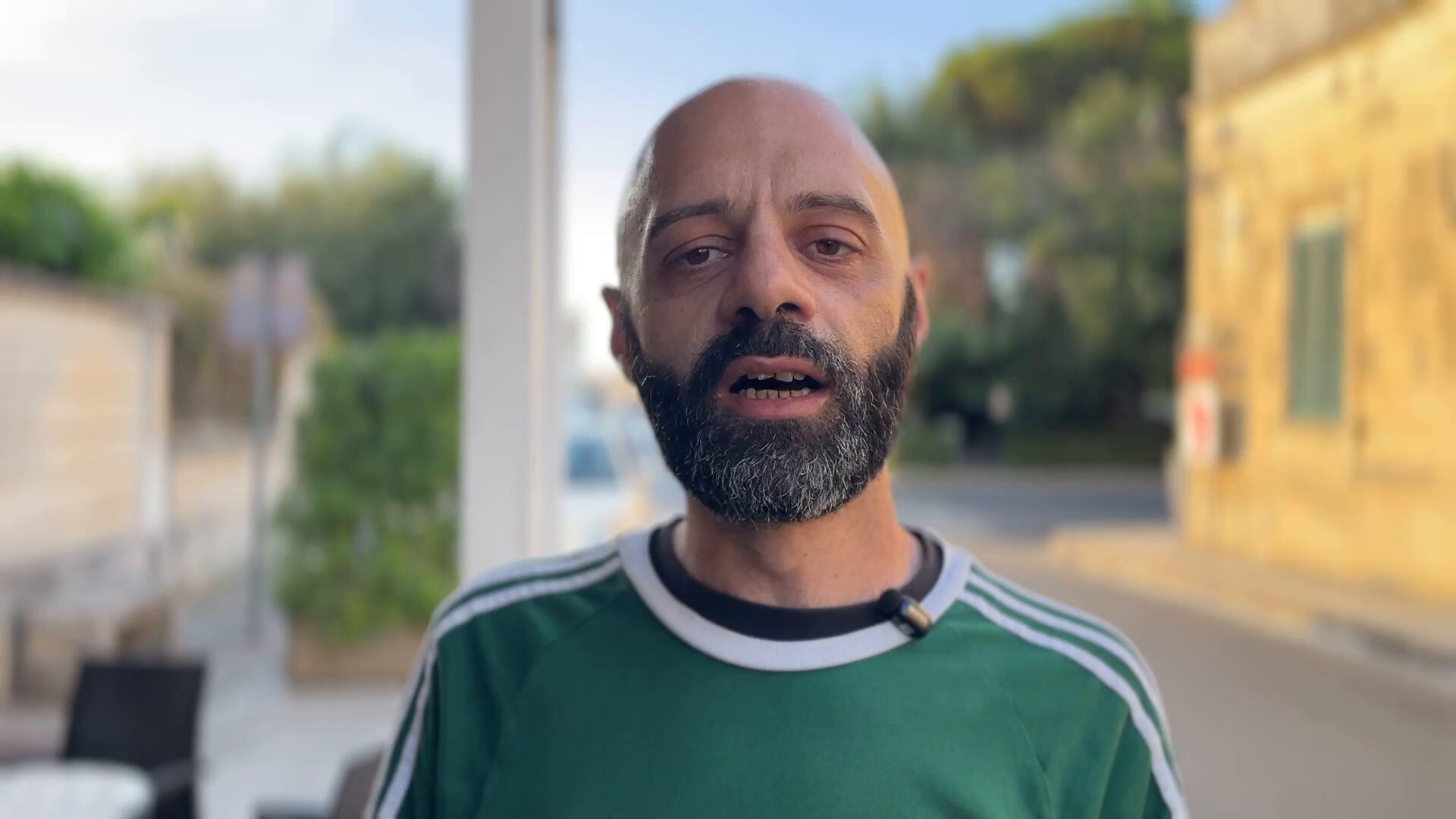
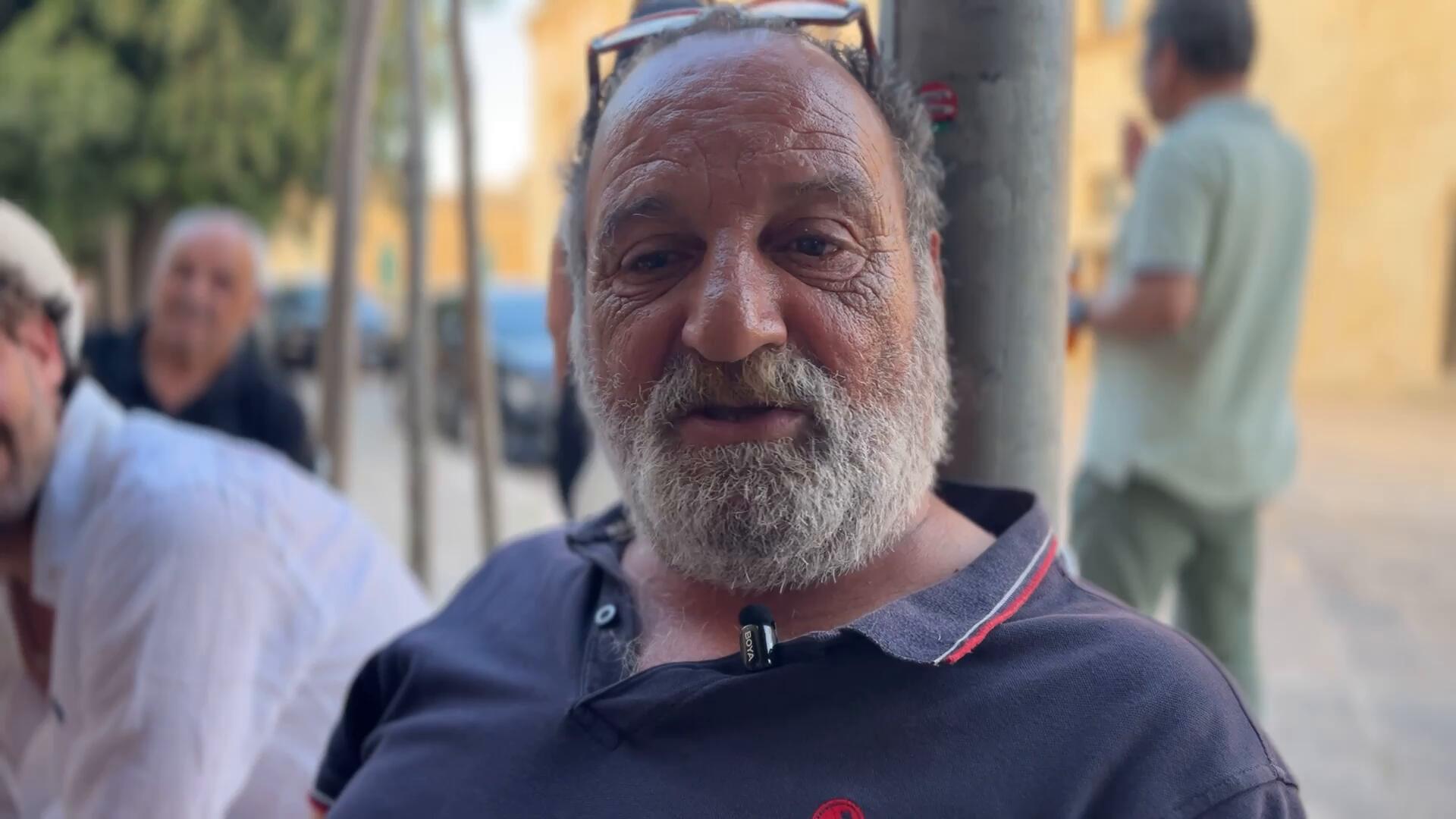
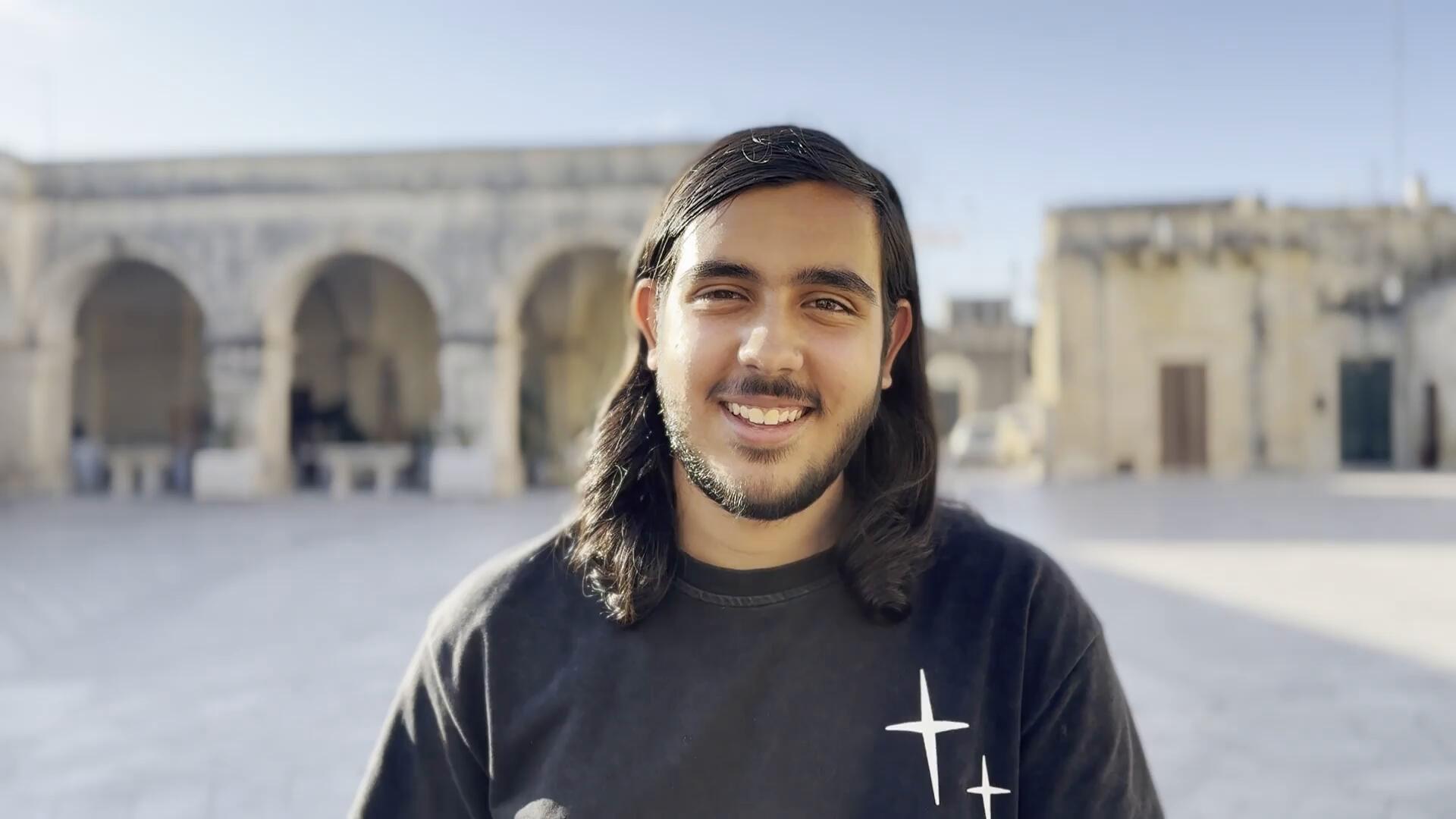
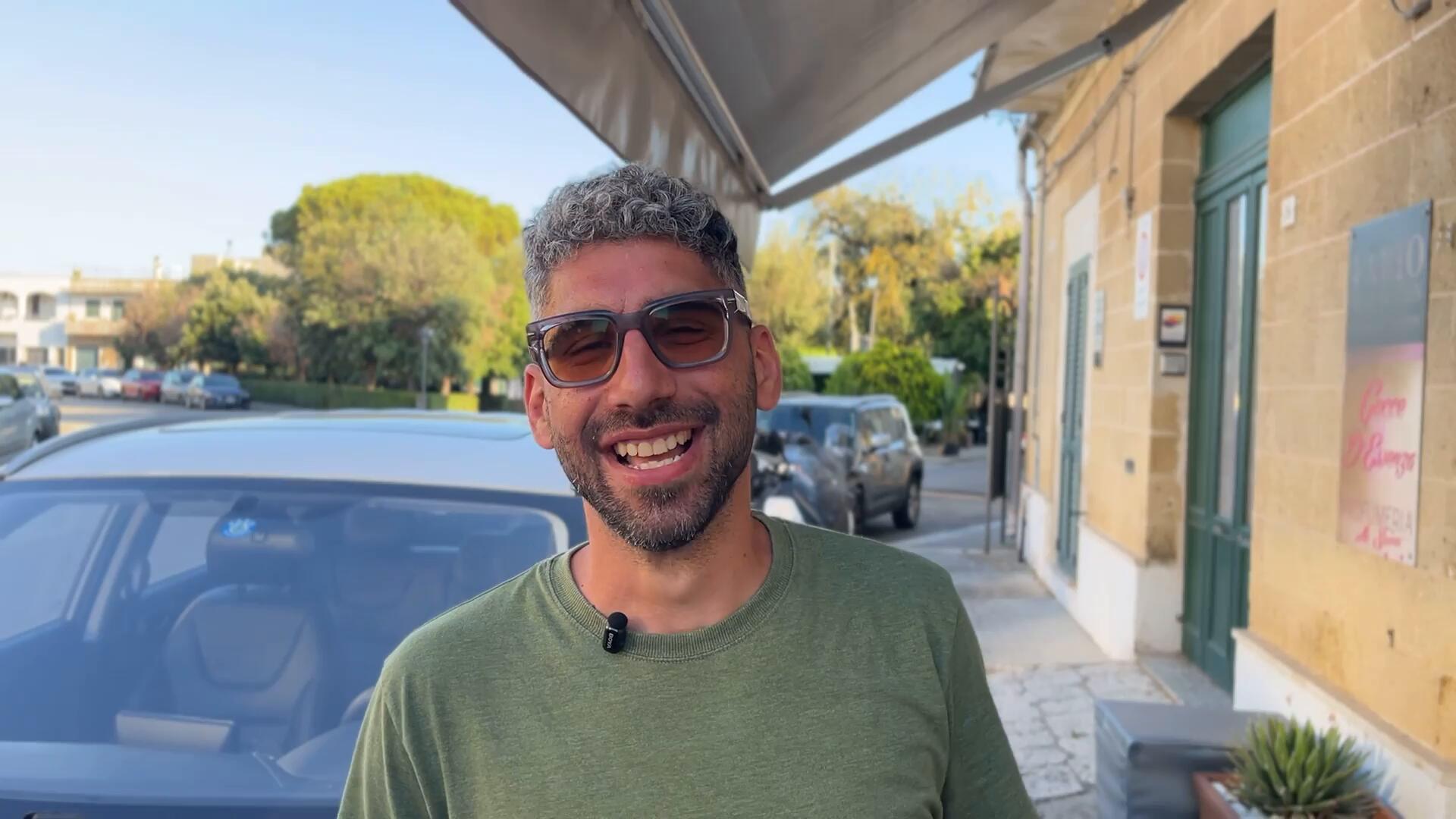
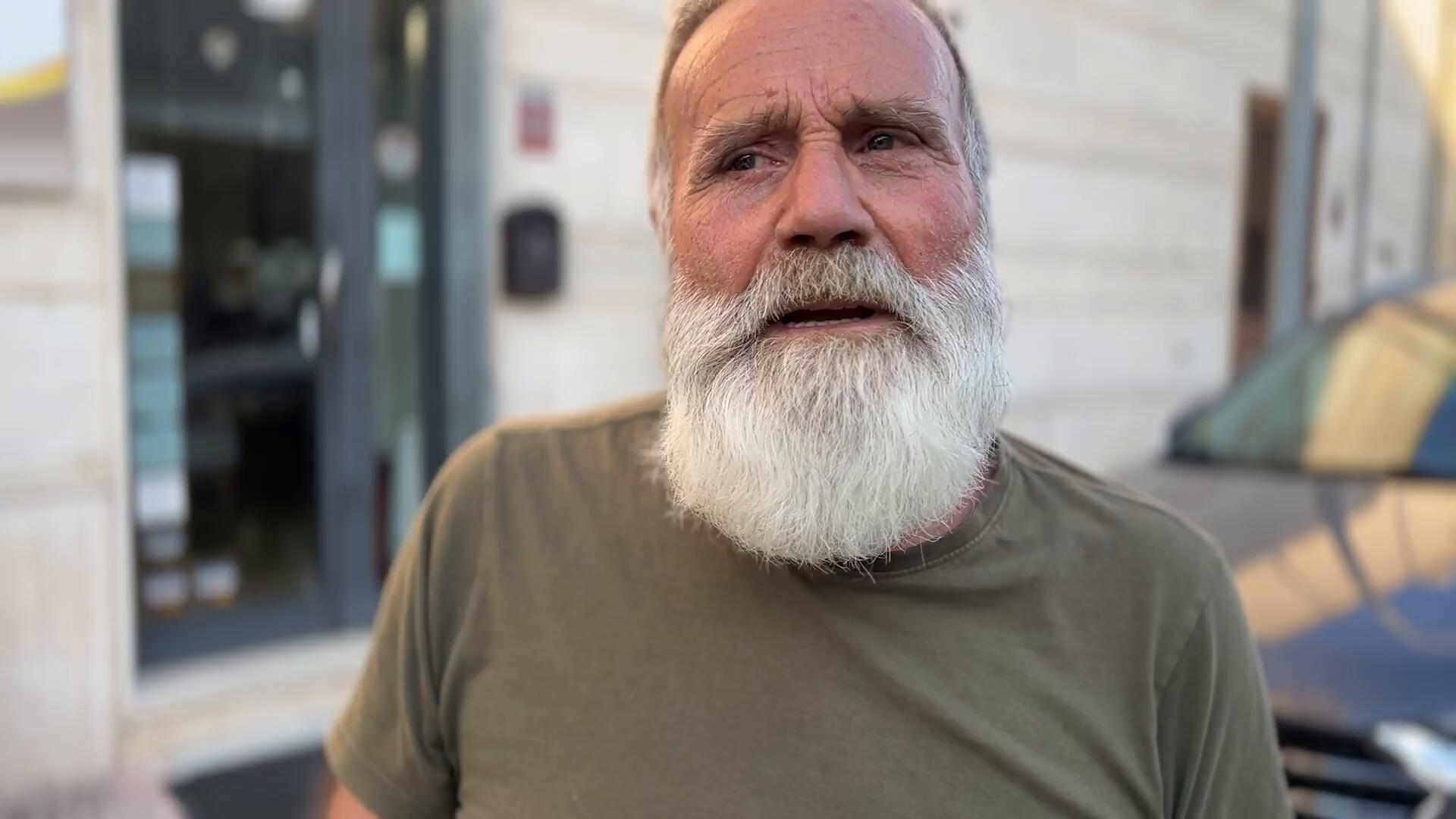
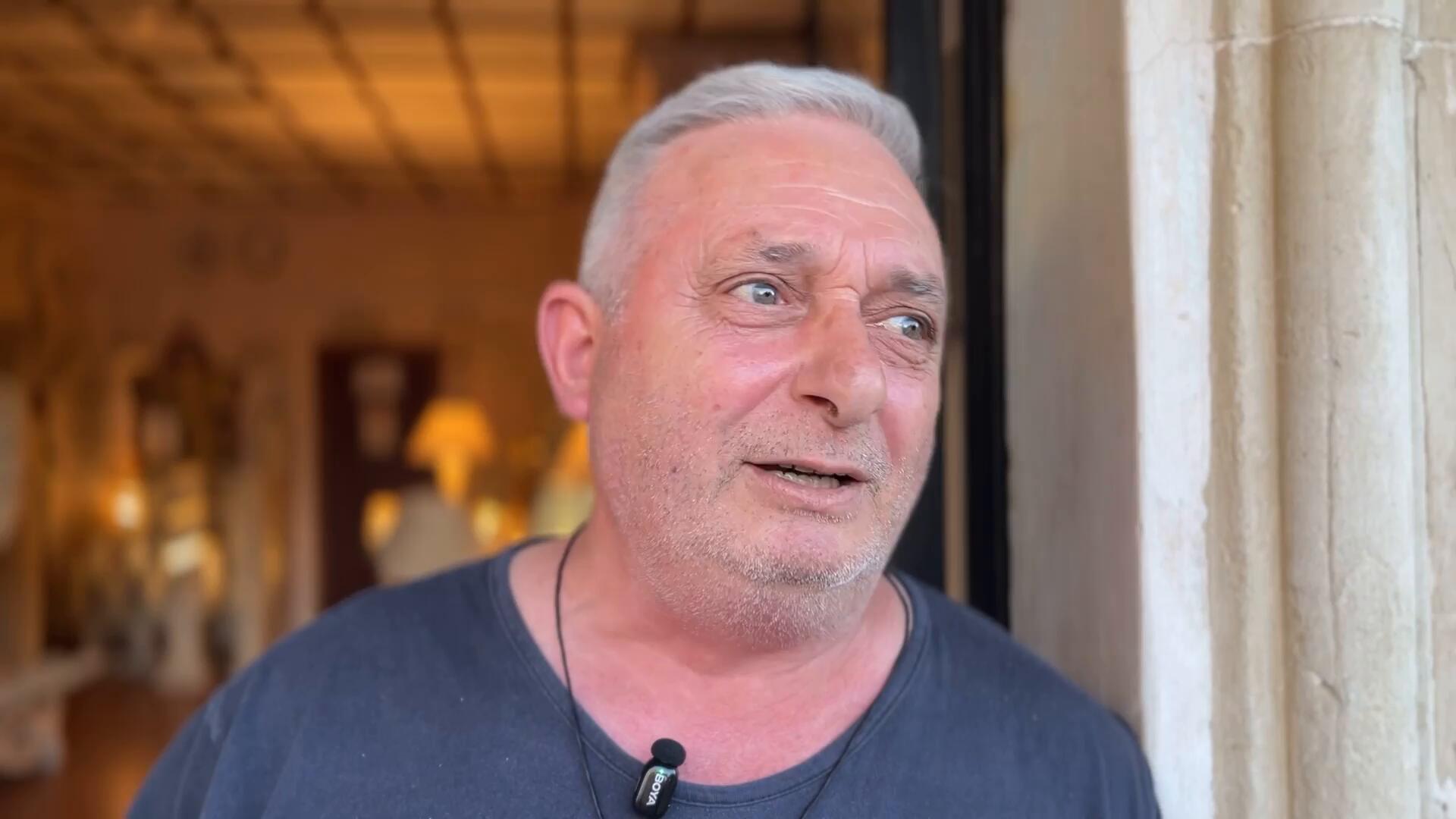
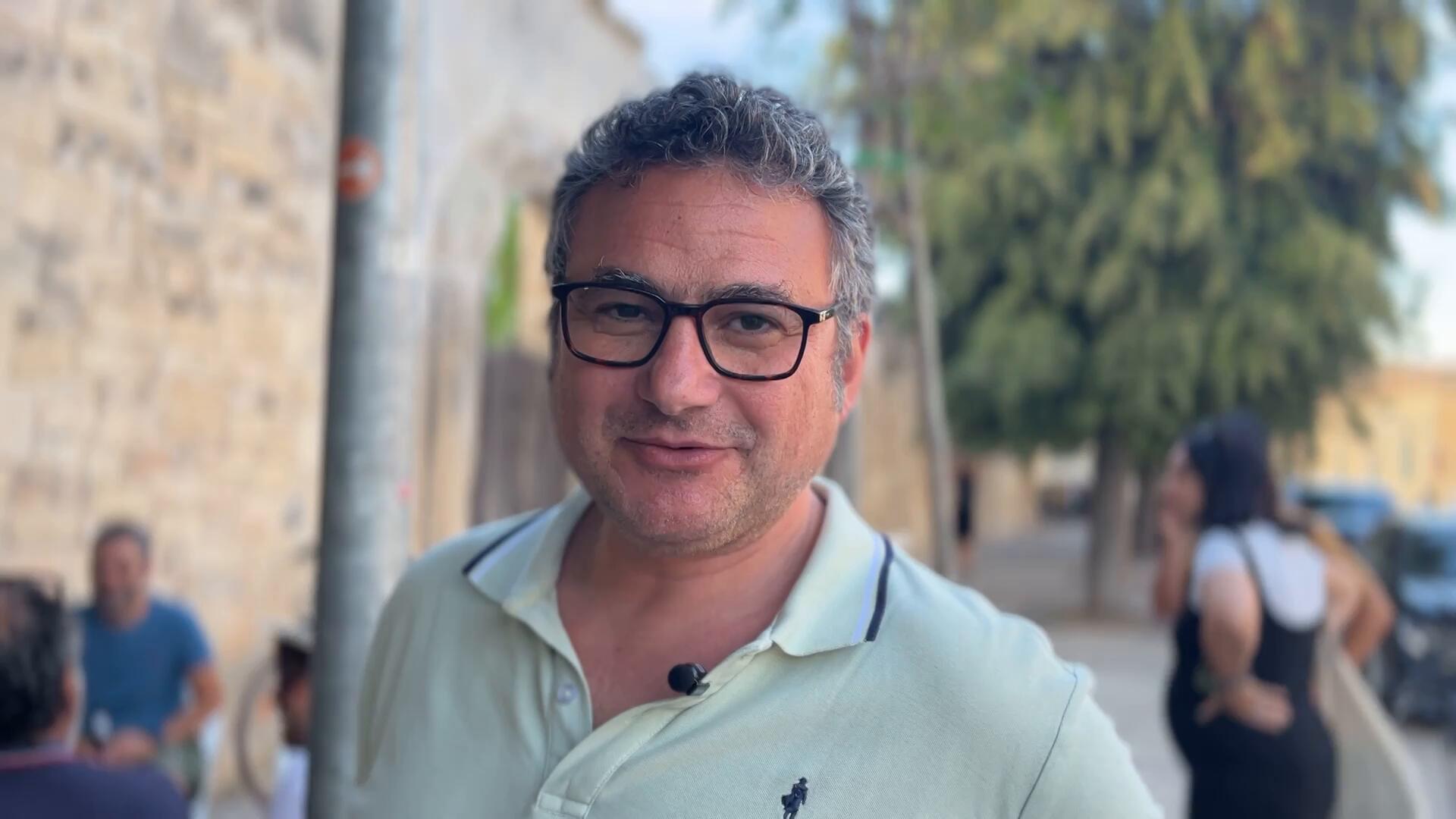
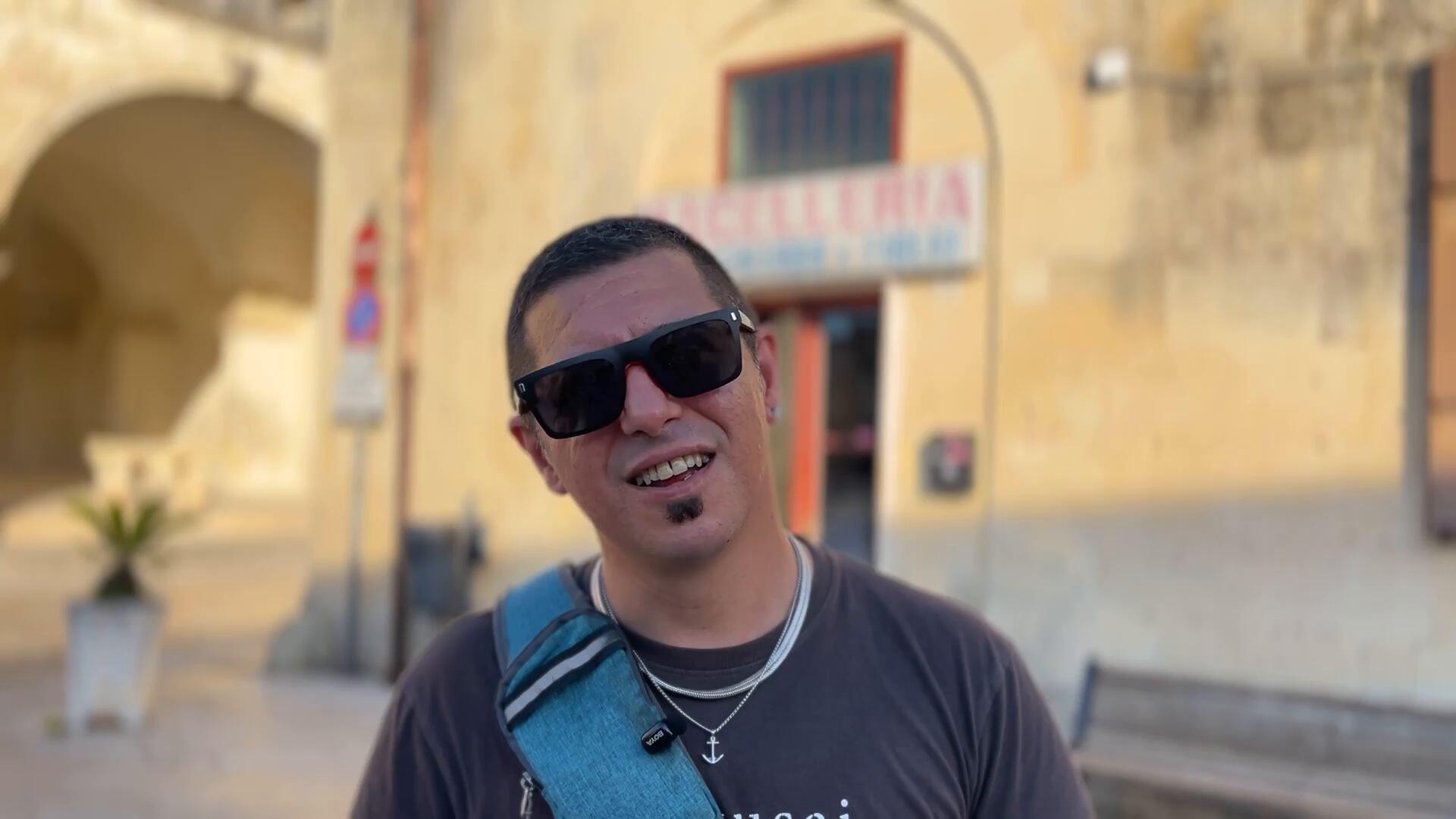
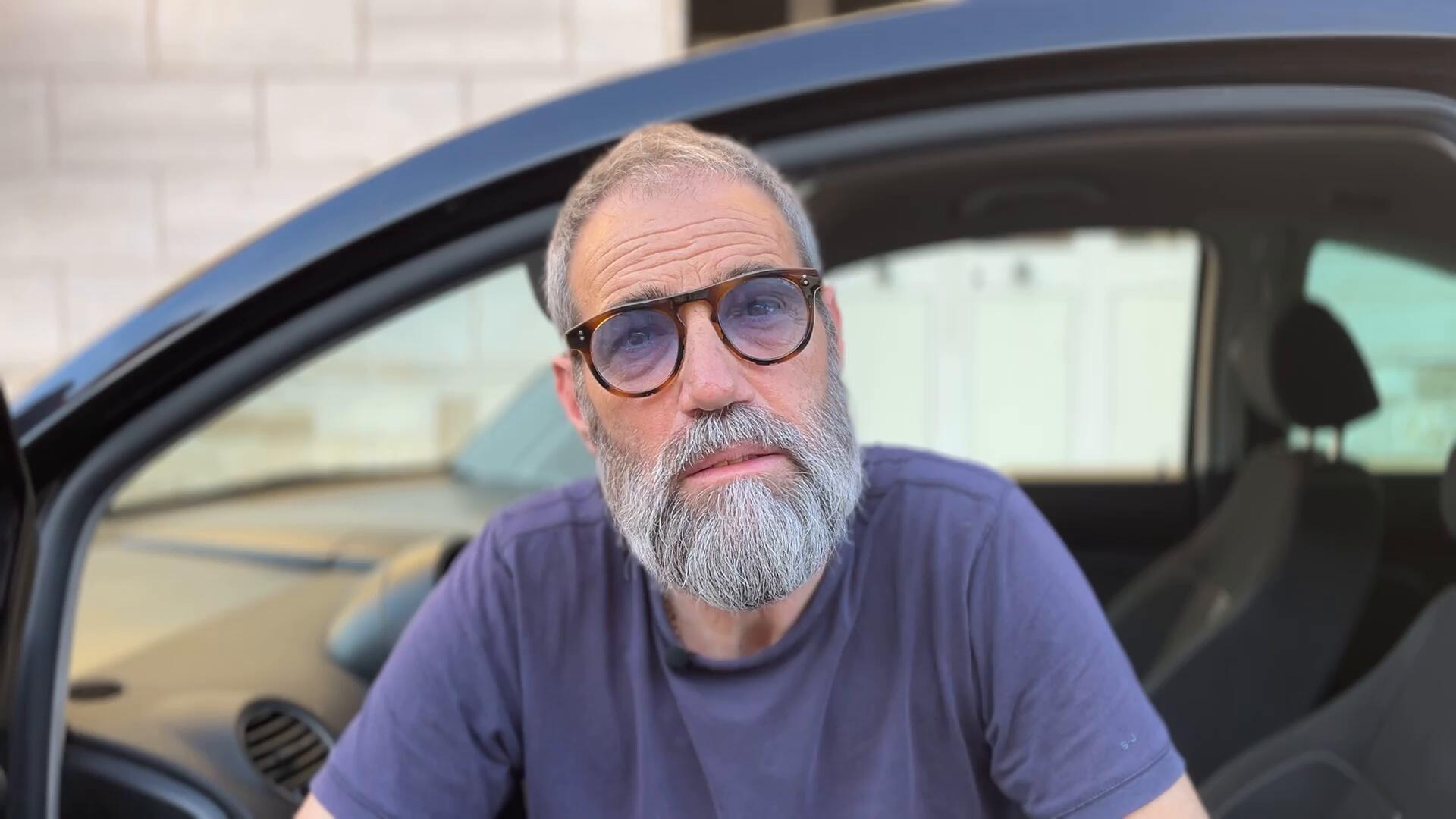
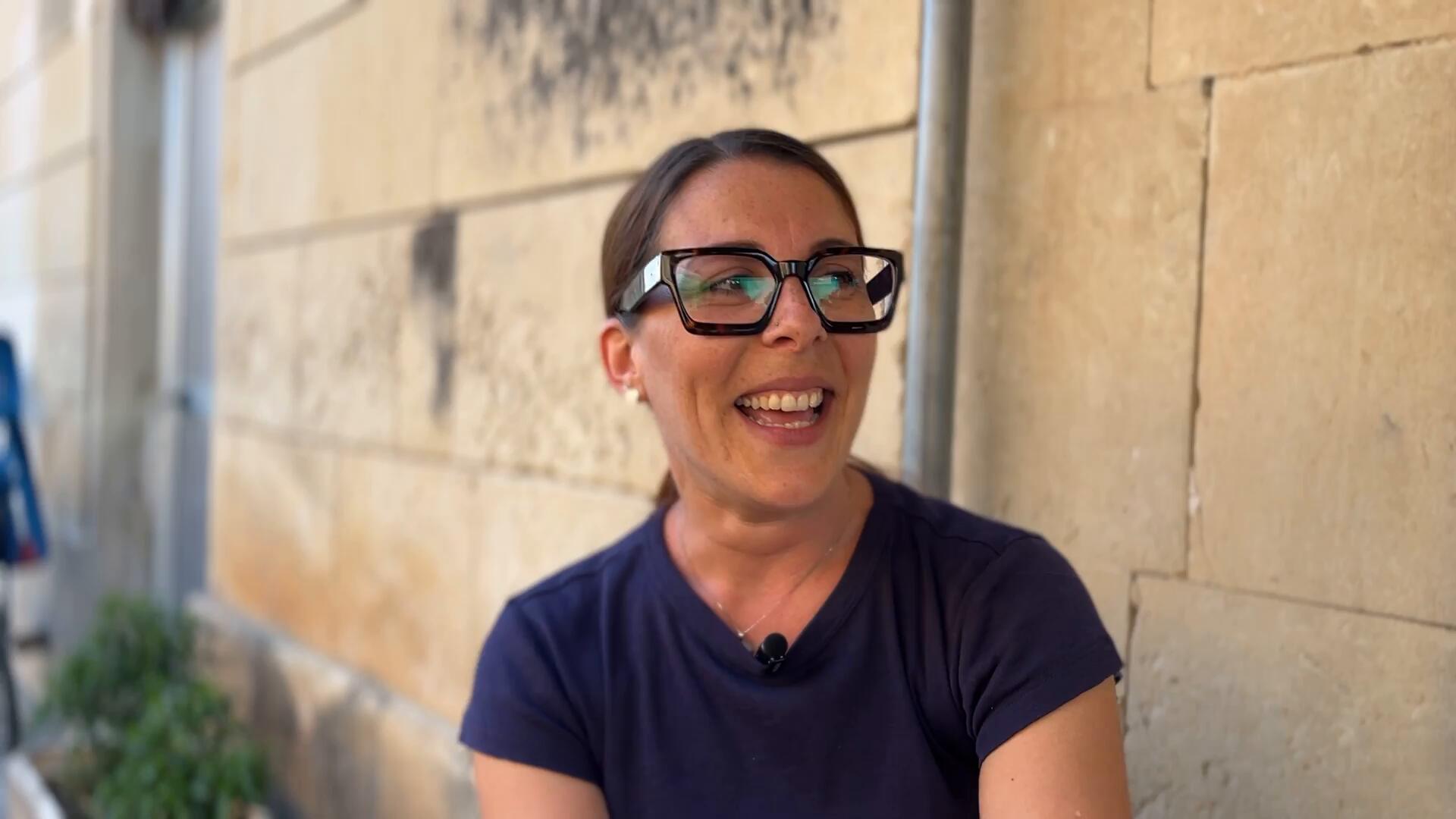
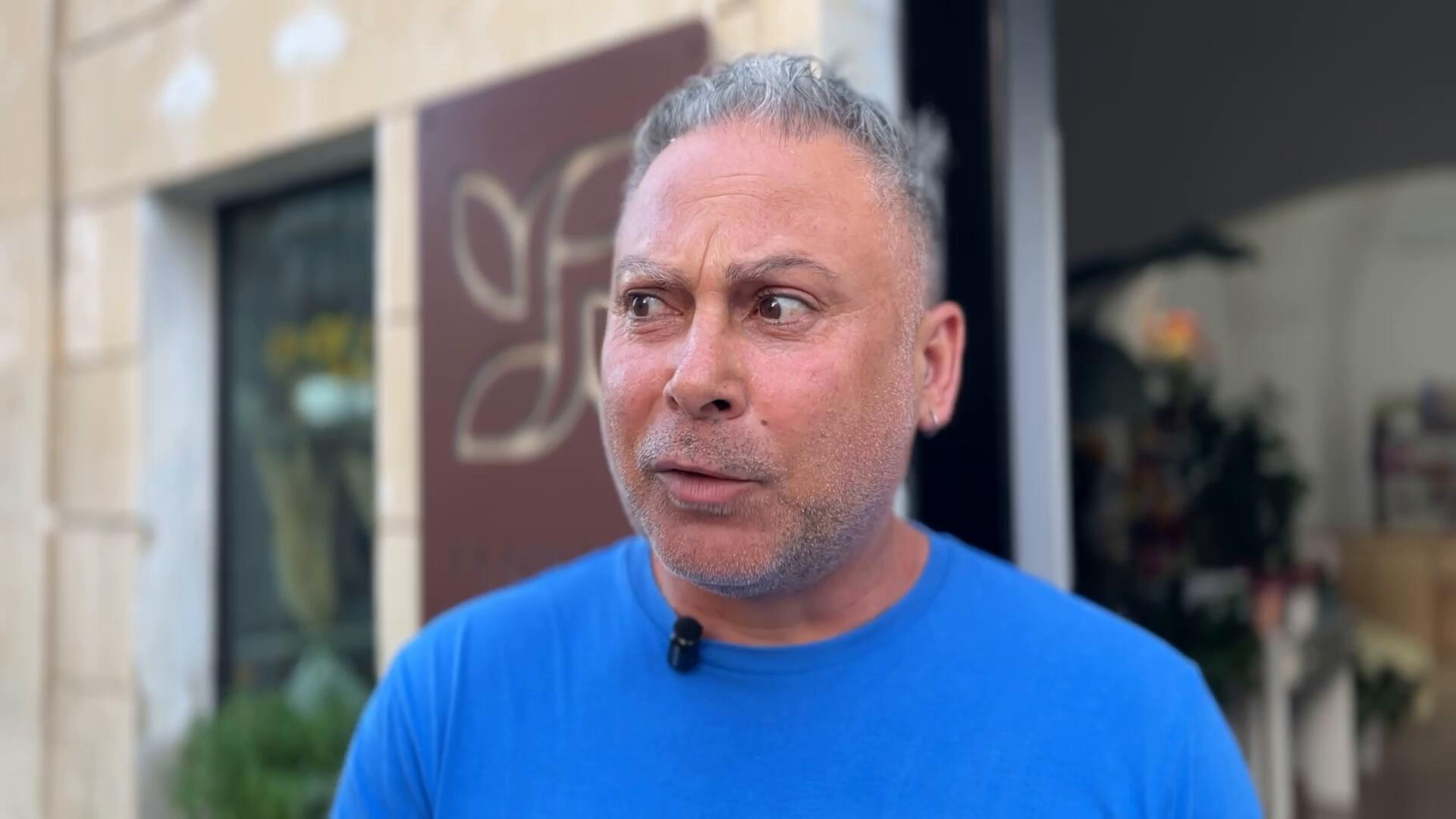
Il secondo strumento si affida invece completamente al caso. TЯA esce per strada e intercetta chiunque si trovi lì, a prescindere da un legame diretto con la residenza, chiedendo una breve intervista di trenta secondi sulle performance del mese appena trascorso.Anche un "non ho visto niente, non so di cosa parli" ha valore in questo contesto: su un campione di cento interviste, comincia a emergere un'indicazione concreta sull'impatto della residenza — chi ha notato, chi no, e in che misura.Ma lo strumento non sonda solo l'impatto della residenza sulla comunità: sonda anche la sfera pubblica stessa, chi la abita e secondo quali dinamiche sociali e materiali funziona. Il mosaico dei volti raccolti restituisce un'istantanea di chi vive gli spazi comuni di Melpignano, e di come li vive.E apre una domanda più ampia, che resta aperta: quali sono i possibili punti di accesso a questa sfera pubblica, e può una residenza artistica contribuire ad ampliarla — portare più persone fuori, per strada, a incontrarsi?
WHAT REMAINS
What remains once the artists have left? It is a question that every residency, sooner or later, has to face. Not as a bureaucratic obligation to report, but because a residency thrives on what it is entrusted with—space, time, trust, public resources—and what is given eventually demands to reveal what it has generated. Show, don't just state: the resilience of inherently fragile institutions relies on this. It depends on the ability to make visible what remains, to those who stay, and to those entitled to tell its story. Hence the intention to equip the artists in residence with tools capable of contributing to this resilience—by engaging directly with local politics.TЯA, as the inverted 'R' in its name suggests, frequently works by reversing conventional logics—an inversion driven by association and unexpected juxtapositions rather than linear logic. Here, the reversal concerns the relationship between the artists in residence and the local administration: typically, politics crafts its own narrative of culture, observing it from the outside without truly participating.TЯA takes the opposite route: it approaches politics, identifies a specific individual early on, and involves them in the co-production of the narrative. The pact is clear from day one: no hidden agendas, but an explicit invitation to narrate together. It is a storytelling born from genuine, rather than superficial, involvement.
WHAT REMAINS
The first tool is exemplified here by a signed letter from Giacomo Treglia, a young city councilor of Melpignano, addressed to the citizens and published on the residency's website. The letter was written post-election, at a time when Giacomo—among the newly elected from the winning list, yet not one of the town's most prominent public faces—began interacting with the residency.This choice was not random. Among all the local politicians involved, Giacomo had the longest, most spontaneous, and continuous exposure to the process—solving practical issues, proposing initiatives, listening daily to the residency participants, and—as the photo shows—showing a genuine desire to participate in the social life of the group.He is, moreover, a political professional, capable of articulating the experience with the language and sensitivity the task requires. The result is a document with a dual value: it records what happened while simultaneously building a direct dialogue with those who govern the community, giving visibility to the person who, although less publicly exposed, invested the most in the process.
WHAT REMAINS
The second tool relies entirely on chance. TЯA steps out onto the streets and intercepts whoever happens to be there, regardless of any direct connection to the residency, asking for a brief thirty-second interview about the performances of the past month.Even an "I didn't see anything, I don't know what you're talking about" holds value in this context: across a sample of a hundred interviews, a concrete indication of the residency's impact begins to emerge—who noticed, who didn't, and to what extent.But this tool doesn't merely gauge the residency's impact on the community; it probes the public sphere itself—who inhabits it and through what social and material dynamics it functions. The mosaic of collected faces provides a snapshot of who lives in the common spaces of Melpignano, and how they experience them.This raises a broader, still-open question: what are the potential access points to this public sphere, and can an artistic residency help expand it—bringing more people outside, onto the streets, to encounter one another?
INCLUSIONE
Di seguito una raccolta di brevi interviste fatte dagli artisti in residenza a persone che vivono e amano il territorio: voci che forse, in altre circostanze, sarebbero rimaste sullo sfondo — per timidezza, per mancanza di tempo, per non essere state interpellate — incontrate semplicemente vivendo il paese negli stessi luoghi e negli stessi ritmi di chi lo abita.Ogni persona intervistata ha letto e approvato il proprio testo prima della pubblicazione.Gli artisti, del resto, non sono lì solo per fare il loro: inevitabilmente osservano, e possono mettere le proprie competenze al servizio di uno sguardo inclusivo, senza alcun giudizio morale, per facilitare spazi sicuri e accoglienti di espressione che vanno al di là della propria agenda creativa.Da questa volontà politica nasce una narrazione inedita del paesaggio naturale e culturale — un esempio di come le residenze artistiche possano attivare pratiche collaterali capaci di generare valore per una comunità.Questa raccolta di interviste è anche un'eredità per gli artisti che arriveranno nelle edizioni successive della residenza. Un lascito che traccia una mappa in continua espansione, i cui nodi sono le persone di cui via via si compone la comunità di Melpignano — nodi che restano aperti e disponibili nel tempo, pronti a essere ritrovati dai nuovi artisti in arrivo.Ogni intervista, in altre parole, non solo restituisce una voce, ma segnala un punto di connessione già esistente: chi si è mostrato interessato, ma anche chi continua a rimanere invisibile — ampliando, edizione dopo edizione, la mappa di chi è Melpignano.
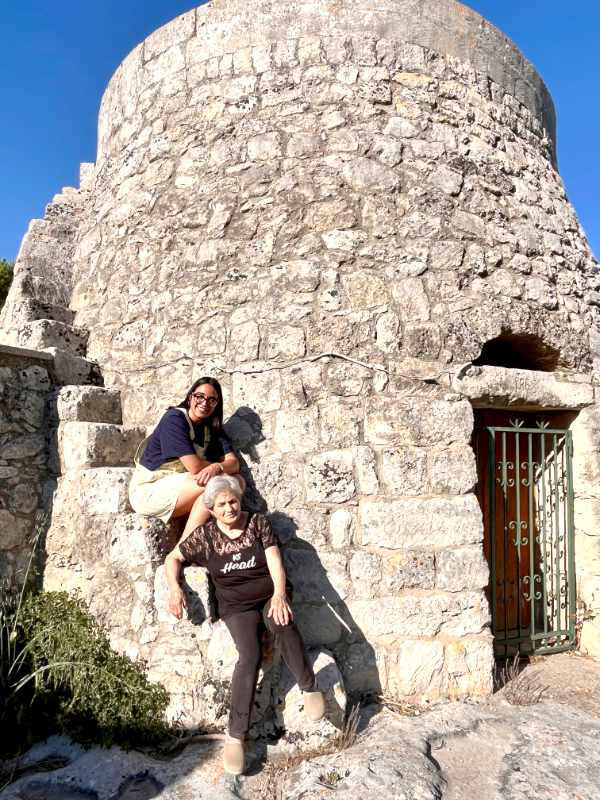
«Siamo stati vent'anni a Taranto. 10 anni in Svizzera. E il resto qui. Il nonno sempre voleva tornare qua.»
GIULIA
28 anni. Da Melpignano a Bologna per studiare, ora a Torino per lavoro. Torna per i compleanni, per il voto, e per ricordarsi chi è.Questo campo qui, mentre sono lontana, lo penso sempre con gli alberi grandi e rigogliosi.
Una delle cose che amo di più sono le balle di fieno sparse d'estate. Quando sei sullo scooter e percorri le strade bianche verso il mare, andando verso Otranto, c'è un vento caldo che ti viene addosso all'improvviso: sembra quasi di passare davanti a un forno aperto. In quei mesi tutto si tinge di un giallo paglierino.
Eppure, per me non è usuale vedere questo campo nello stato in cui si trova oggi, seccato dalla Xylella. Nella mia mente lo conservo intatto. Un tempo l'erba era sempre curata, mio nonno ci dedicava la vita. Aveva piantato le fragole e noi bambini andavamo a raccoglierle. Tutti i miei ricordi legati al vecchio trullo di pietra sono con lui e con quel mandorlo che prima mi sembrava enorme. O forse ero piccola io. Quando sei bambino tutti gli spazi ti sembrano immensi. Allora anche la vita era più estesa.
Oggi mi piace l'idea di poter tornare. Credo che quando ti allontani da un posto e dopo dieci anni senti il desiderio di riprendertelo, sia perché ti piace la persona che quel luogo ti permette di essere. Forse è questo il sinonimo di una terra che resiste: un luogo che offre ancora qualcosa, che combatte e che cresce. Pensare di far crescere dei figli a Melpignano non è un concetto così stupido, in fondo.
Agli artisti che arrivano qui in residenza auguro questo: spero che impariate a vedervi e a vedere questo paese con gli occhi, sì, ma anche con le orecchie, con le braccia e con l'anima. Spero che impariate ad attraversarvi davvero.
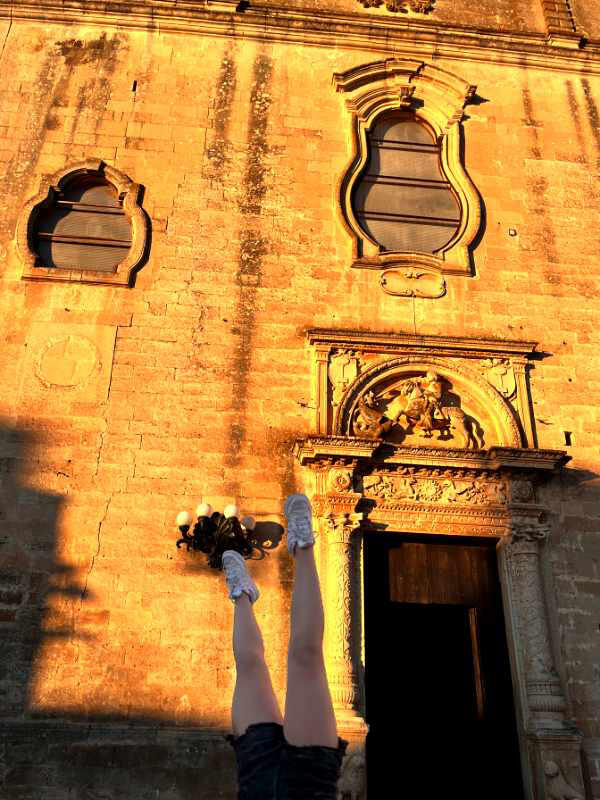
«Qui in piazza ho imparato a parlare con le persone in un modo più avanzato.»
MARTA
La piazza di Melpignano è molto grande, molto spaziosa. C'è un bar, una chiesa molto grande, un ristorante, la macelleria e molti archi.Cosa faccio in piazza? Vado con la bici, vado con i pattini, cado. E poi faccio le ruote, le rondate, le spaccate, le verticali. Qui in piazza ho imparato a parlare con le persone in un modo più avanzato. Non parlo come parlo con la mamma, ci siamo capiti?
Sotto la piazza so che c'è il frantoio, mi piacerebbe ma non ci sono mai stata. È piena di uccelli, sicuro. C'è una porta con delle scale che porta giù, e qualche volta ci ho messo la testa dentro per guardare, anche se non si fa. Il proprietario ha paura in caso noi cadiamo o che crolla il terreno e ci facciamo male. Però non è vero.
La piazza ha anche un macellaio, si chiama Vincenzo. Lui è mio amico e apre dalle dieci a mezzanotte perché gli piace giocare a cantare: si mette lì con la cassa della musica. Al bar ci conosciamo ovviamente tutti, molti clienti, ma viene anche gente che non conosciamo.
Se c'è un posto dove non vorrei mai andare? Quella villa là, piena di alberi, non mi dice niente. Sta là da sola così, poverina, non ci va nessuno e allora io non ci voglio stare. A me piace stare in mezzo alla gente, ma che non sia troppa. Ai portici invece è molto bello, con la pietra proprio. E anche il Calvario è una cosa molto bella, dove c’è Santa Maria Maddalena.
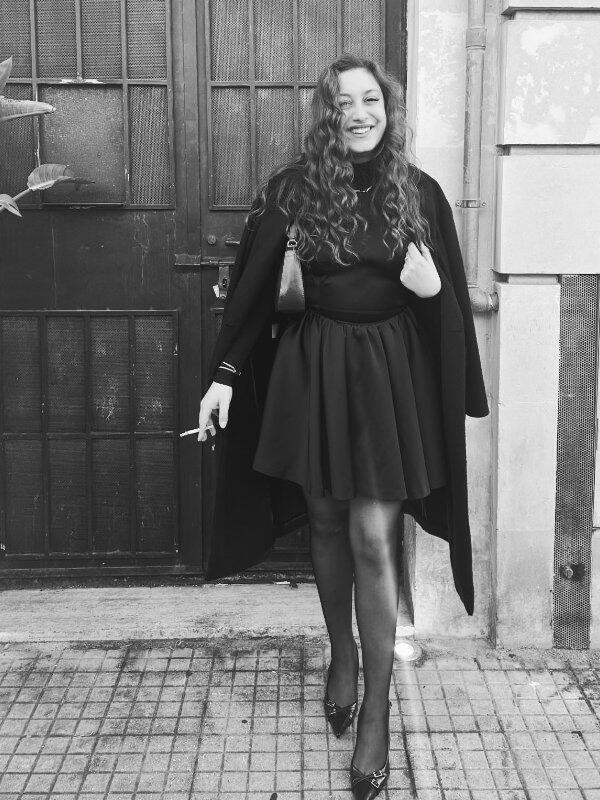
«Se litigavo con qualcuno andavo lì, mi sedevo e stavo da sola con le mie sigarette.»
VALENTINA
Quando si esce si va al bar in piazza. Però ha una mappa segreta del paese: fatta di posti sicuri dove nascondersi, pinete da evitare e giardini proibiti che ha inseguito per tutta la vita.Non è per me solito dirlo, ma la villa bianca che adesso stanno sistemando — la Miami — quando ero piccola era il mio posto sicuro: se litigavo con qualcuno andavo lì, mi sedevo e stavo da sola con le mie sigarette. Non c'era mai nessuno ed era una cosa molto carina. Infatti le amiche mie, quando non mi trovavano a casa, sapevano di dovermi venire a cercare là. Alla villa nera invece non ci vado mai, dicono sia la zona di spaccio del paese.
Se arriva uno straniero a Melpignano lo porto dietro al Castello. C'è uno spazio verde bellissimo, tutto un largo dove fare il giro del Castello. D'estate poi è molto bello il parco giochi con gli alberi di noci che fanno un'ombra gigante. Soprattutto all'orario di pranzo non c'è anima viva, e tu stai là, ti vedi il castello e ti godi il fresco.
Il mio ricordo più forte è legato al giardino interno del Palazzo Marchesale. È rimasto chiuso in ristrutturazione per tantissimo tempo. Quando facevo le elementari, decisero di riaprirlo per un giorno per fare una recita con tutte le classi. Io non ci ho potuto partecipare perché la mia doposcolista diceva che mi avrebbe tolto tempo allo studio, e ho pianto tantissimo. Come se non bastasse, il giorno della recita mia cugina scesa da Roma insisteva che voleva andare a mangiare, e così non mi hanno fatta nemmeno assistere. Ero entrata solo una volta a vedere le prove dei ragazzi e mi ero innamorata perdutamente di quel giardino maestoso.
Anni dopo ci ho portato un mio ex ragazzo che era di Corigliano, ma a lui non fregava assolutamente niente e siamo andati via. Ci sono tornata solo di recente: c'era un mio amico con la figlia, siamo entrati in giardino e siamo saliti sopra a vedere dove fanno le prove. Quel posto per me è sempre stato un sogno non realizzato.
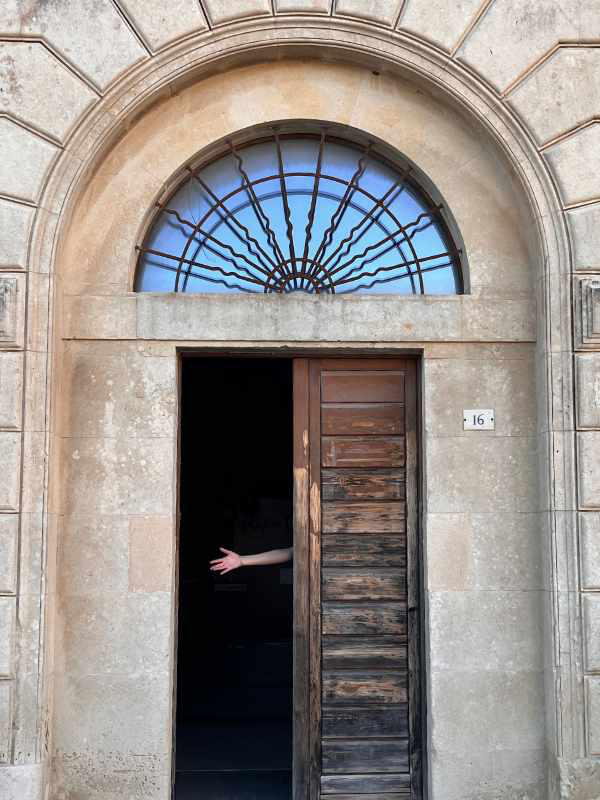
«Dice di essere ansiosa, ma intanto ha lasciato questa intervista.»
ELEONORA
Studia Scienze dell'Educazione a Lecce. Vive nel paese vicino e fa il servizio civile nella biblioteca di Melpignano cinque giorni su sette. Dice di essere ansiosa, ma intanto ha lasciato questa intervista.Il mio posto preferito a Melpignano è il Palazzo Marchesale. Ci sono venuta perché ho frequentato degli eventi teatrali — cioè, ho partecipato come pubblico, ho assistito allo spettacolo di Fabio come attore — ed è vicino alla biblioteca, dove svolgo il servizio civile.
Io abito sulla via che da per Melpignano. Prendo la macchina e la faccio tutta dritta. Quando c’è la Notte della Taranta la gente ci va a piedi, si può fare, ma è una camminata lunga. Io passo dal cimitero di Cursi, vado sempre dritta. Poi giro a sinistra, un'altra girata e arrivo qua.
Prima del servizio civile non frequentavo il paese. Ci venivo solo ogni tanto con i ragazzi, andavamo al parco o al bar in piazza, ma non sui tavoloni di pietra dove si mettono quei gruppi. In chiesa a Melpignano non ci vado mai. Prima di lavorare qui in biblioteca c'ero stata solo una volta, alle scuole superiori, per studiare letteratura latina con mia cugina che faceva il servizio civile a sua volta. Ma non mi ricordo quale autore studiassimo.
In realtà Melpignano non la conosco molto: parcheggio la macchina qui vicino o in quei posti in mezzo, faccio le mie ore in biblioteca e poi vado a casa. Non mi interesso molto di quello che si dice in giro. Le poche cose che so della biblioteca sono che prima era un lavoro k
Lo tabacchificio, dove producevano il tabacco, e che prima ancora si trovava in un'altra via, forse via Dafne? So che in futuro la biblioteca si sposterà ancora, anche se non so dove.
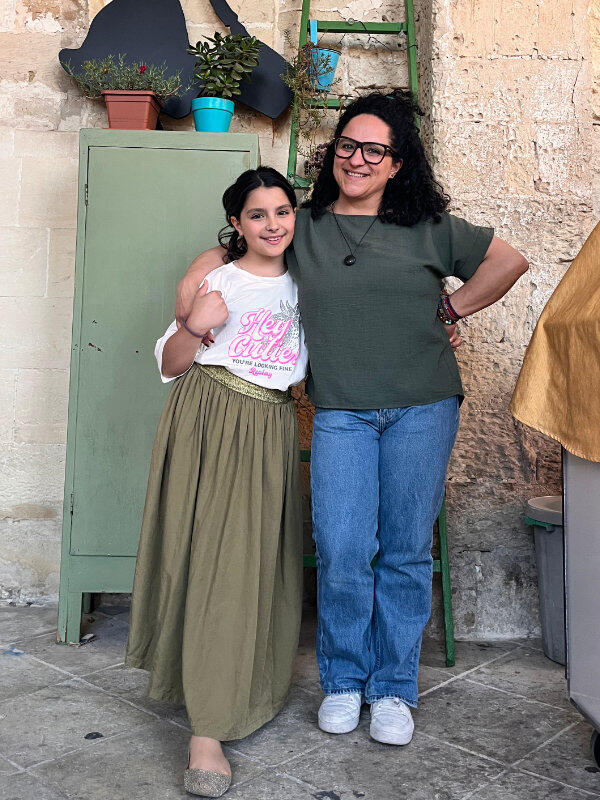
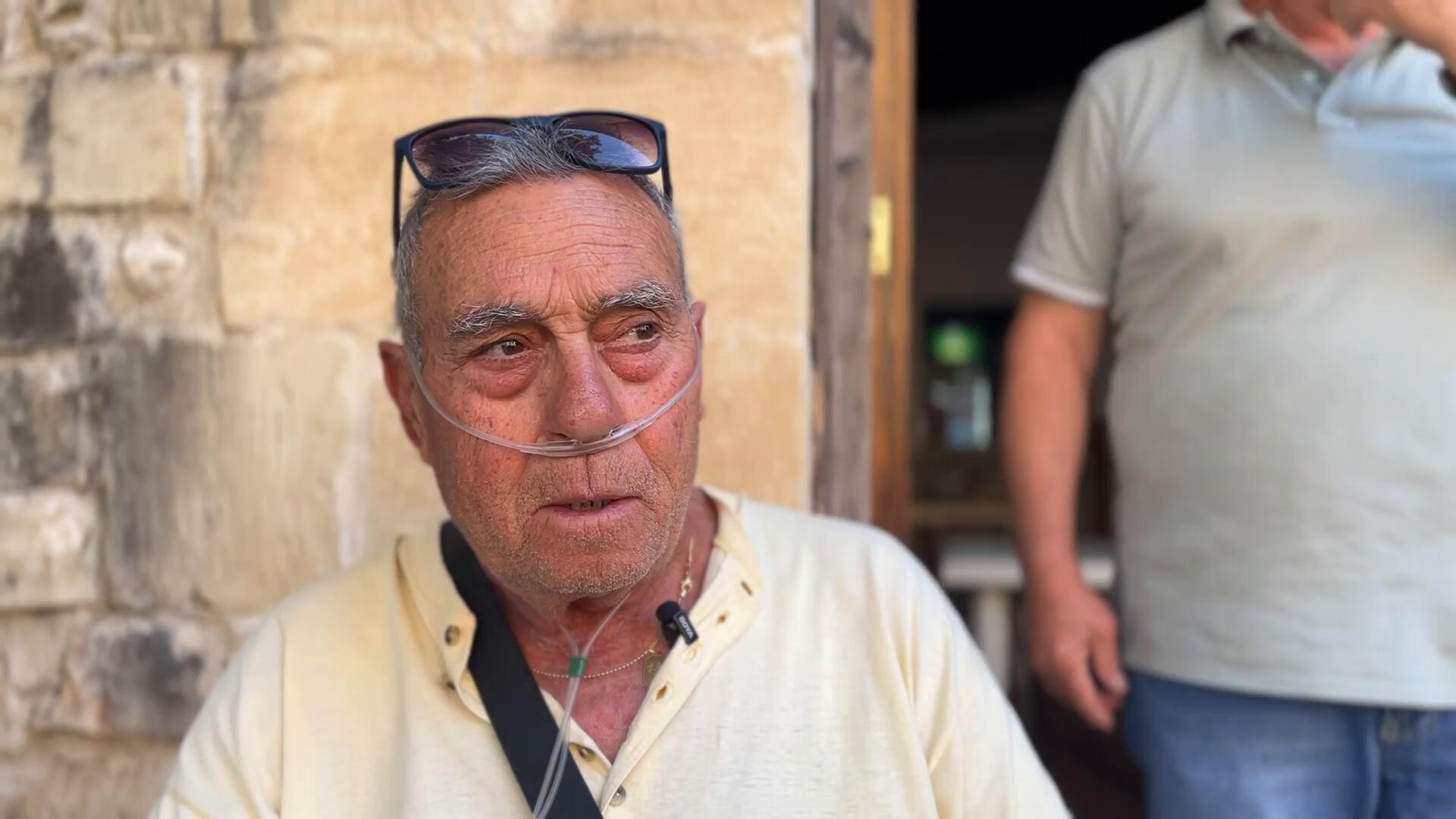
«Vent'anni dopo mi sono trovata qui, e ho rivissuto materialmente tutto quell'eco.»
DONATELLA
Non è nata e cresciuta a Melpignano. Per anni questo paese è stato un racconto, un’eco di vacanze, concerti e notti d’estate, prima di diventare casa.Per me questo luogo è anche una memoria nella memoria. Non essendo nata e cresciuta qui, ho passato anni a sentirne parlare per via della Notte della Taranta. I miei amici e mio fratello ci venivano spesso in tempi in cui io non pensavo lontanamente di finire a vivere qua. Mi raccontavano dei concerti nelle cave, verso Cursi, quando venivano personaggi forti come Sizzla o Anthony B, o Caparezza.
Poi, durante il Covid, non si poteva fare niente e si passeggiava per le campagne. Un giorno, camminando, mi sono trovata davanti a queste cave. Era un posto in cui non ero mai stata, ma appena l'ho visto mi sono ricordata che l'avevo già sentito nei racconti. Mi è venuto da dire: oddio, ma allora siamo qui.
Una cava è una buca enorme, profondissima, di pietra e terra insieme. Solo a pensarci oggi, con queste estati torride da 40 gradi che riflettono sul bianco della roccia, fa caldissimo, ma la sera e la notte ha un suo perché.
Io sono finita in un posto dove non avrei mai immaginato di stare. Ai tempi dei primi anni della Taranta, a metà degli anni Novanta, quando c'erano direttori artistici come Giovanni Lindo Ferretti o Franco Battiato, i concerti si facevano ancora in piazza e non all'ex Convento. Quando cambiarono location, tutti mi parlavo di Melpignano, del Salento, del mare, delle feste e della pizzica. Sentivo sempre i racconti delle vacanze a Torre dell'Orso o a Sant'Andrea. Vent'anni dopo mi sono trovata qui, e ho rivissuto materialmente tutto quell'eco.
INCLUSION
Below is a collection of short interviews conducted by the artists in residence with people who live in and love this territory: voices that, under different circumstances, might have remained in the background—out of shyness, lack of time, or simply because they had not been asked. They were encountered simply by experiencing the town in the same spaces and the same rhythms as those who inhabit it.Each person interviewed has read and approved their text prior to publication.After all, the artists are not there just to do their own work: inevitably, they observe, and they can put their skills at the service of an inclusive gaze, free of moral judgment, to facilitate safe and welcoming spaces for expression that go beyond their own creative agenda.From this political will emerges an unprecedented narrative of the natural and cultural landscape—an example of how artistic residencies can activate collateral practices capable of generating value for a community.This collection of interviews is also a legacy for the artists who will arrive in subsequent editions of the residency. An inheritance that traces an ever-expanding map, whose nodes are the people who gradually make up the community of Melpignano—nodes that remain open and available over time, ready to be found by the newly arriving artists.Each interview, in other words, not only gives back a voice but signals an already existing point of connection: those who have shown interest, as well as those who continue to remain invisible—expanding, edition after edition, the map of who Melpignano is.
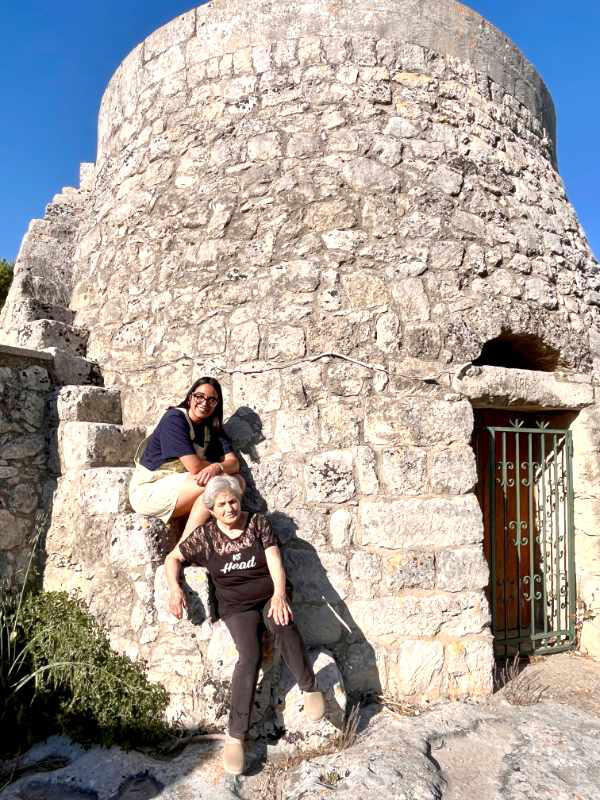
«We spent twenty years in Taranto. Ten years in Switzerland. And the rest here. Grandfather always wanted to come back here.»
GIULIA
28 years old. From Melpignano to Bologna to study, now in Turin for work. She returns for birthdays, to vote, and to remember who she is.When I'm far away, I always picture this field with large, lush trees.
One of the things I love most are the hay bales scattered around in the summer. When you're on a scooter riding down the white dirt roads toward the sea, heading to Otranto, a warm wind hits you suddenly: it almost feels like passing in front of an open oven. In those months, everything is tinged with a straw yellow.
Yet, for me, it's not normal to see this field in the state it's in today, dried out by Xylella. In my mind, I keep it intact. The grass used to be perfectly kept; my grandfather dedicated his life to it. He had planted strawberries, and we kids would go pick them. All my memories tied to the old stone trullo are with him and with that almond tree that used to seem enormous to me. Or maybe I was just small. When you're a child, all spaces seem immense. Back then, even life was more expansive.
Today, I like the idea of being able to come back. I believe that when you step away from a place and, ten years later, you feel the desire to reclaim it, it's because you like the person that place allows you to be. Perhaps this is the very definition of a land that resists: a place that still has something to offer, that fights and grows. Thinking about raising children in Melpignano isn't such a foolish concept, after all.
To the artists arriving here in residence, I wish this: I hope you learn to see yourselves and to see this town with your eyes, yes, but also with your ears, your arms, and your soul. I hope you learn to truly cross through each other.
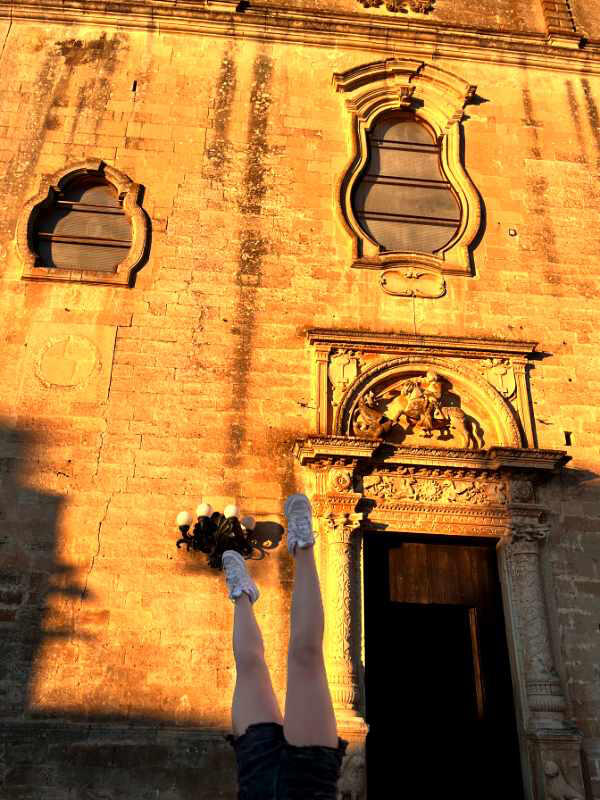
«Here in the square, I learned to talk to people in a more advanced way.»
MARTA
Melpignano's main square is very big, very spacious. There's a bar, a very big church, a restaurant, the butcher shop, and lots of arches.What do I do in the square? I ride my bike, I roller-skate, I fall down. And then I do cartwheels, roundoffs, splits, handstands. Here in the square, I learned to talk to people in a more advanced way. I don't talk like I talk to my mom, if you know what I mean?
Underneath the square, I know there's the old oil mill—I'd love to go, but I've never been inside. It's full of birds, for sure. There's a door with stairs going down, and sometimes I've stuck my head in to take a look, even though you're not supposed to. The owner is afraid that we might fall or that the ground might collapse and we'll get hurt. But that's not true.
The square also has a butcher; his name is Vincenzo. He's my friend and he opens from ten to midnight because he likes to play music and sing: he stands there with his speaker. At the bar, we all know each other, of course—lots of regular customers, but people we don't know come by too.
Is there a place I'd never want to go? That villa over there, full of trees, it doesn't do anything for me. It just sits there all alone, poor thing; nobody goes there, so I don't want to be there either. I like being around people, but not too many. The arcades, on the other hand, are really lovely, with the actual stone. And the Calvario is also a very beautiful thing, where Saint Mary Magdalene is.
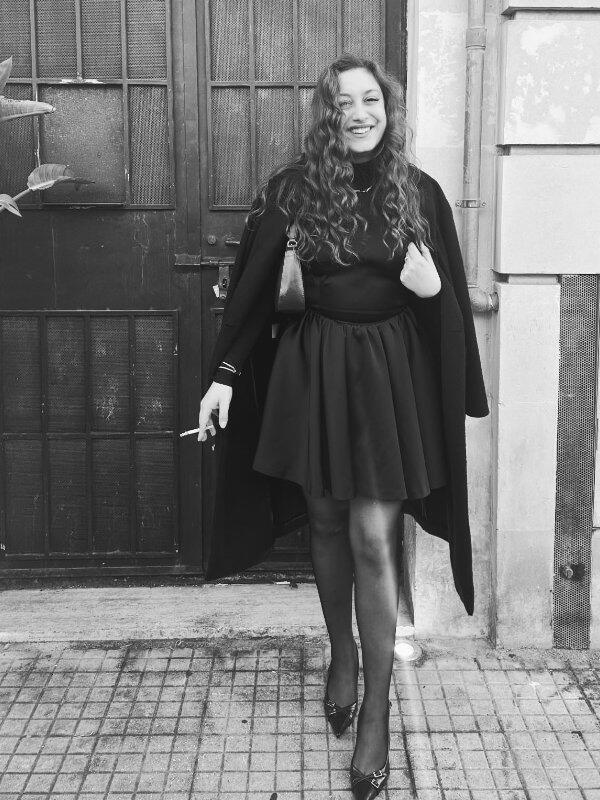
«If I had an argument with someone, I'd go there, sit down, and just be alone with my cigarettes.»
VALENTINA
When going out, you go to the bar in the main square. But she holds a secret map of the town: made of safe spots to hide, pine groves to avoid, and forbidden gardens she has chased all her life.It's not like me to say this, but the white villa they're fixing up now—"La Miami"—was my safe spot when I was little: if I had an argument with someone, I'd go there, sit down, and just be alone with my cigarettes. There was never anyone around, and it was really nice. In fact, when my friends couldn't find me at home, they knew they had to come looking for me there. The black villa, on the other hand, I never go to—they say it's the town's drug dealing spot.
If a foreigner comes to Melpignano, I take them behind the Castle. There's a beautiful green space, a wide open area where you can walk all around the Castle. Then in the summer, the playground with the walnut trees that cast a massive shadow is lovely. Especially around lunchtime, there isn't a single soul, and you just stay there, look at the castle, and enjoy the cool shade.
My strongest memory is tied to the inner garden of Palazzo Marchesale. It remained closed for renovation for a very long time. When I was in elementary school, they decided to reopen it for a single day to put on a play with all the classes. I couldn't participate because my after-school tutor said it would take time away from my studies, and I cried so much. As if that weren't enough, on the day of the play, my cousin who had come down from Rome insisted on going out to eat, so they didn't even let me watch. I had only gone in once to watch the kids rehearse, and I had fallen head over heels in love with that majestic garden.
Years later, I brought an ex-boyfriend of mine there who was from Corigliano, but he didn't care at all, so we left. I only went back recently: a friend of mine was there with his daughter, we walked into the garden, and went upstairs to see where they rehearse. To me, that place has always been an unfulfilled dream.
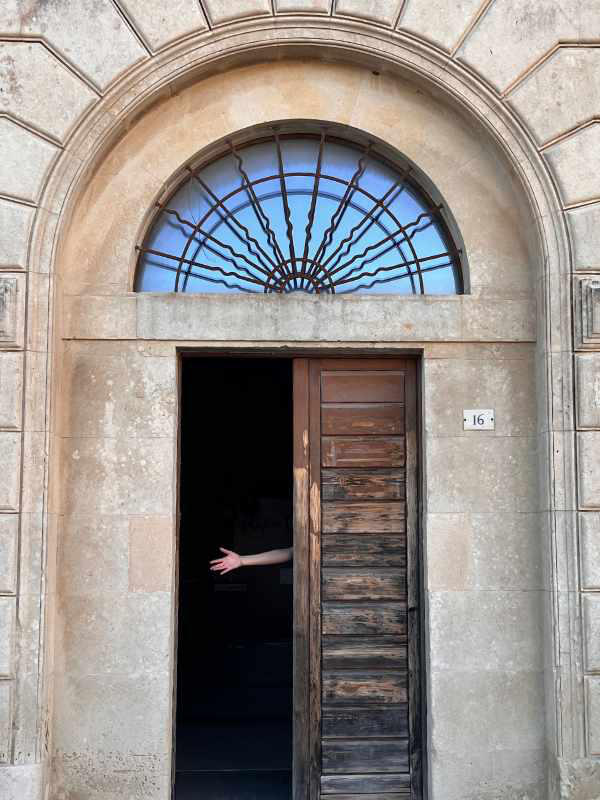
«She says she suffers from anxiety, yet here she is, giving this interview.»
ELEONORA
Studies Educational Sciences in Lecce. She lives in the neighboring town and does her civil service at the Melpignano library five days a week. She says she suffers from anxiety, yet here she is, giving this interview.My favorite place in Melpignano is Palazzo Marchesale. I came here because I attended some theater events—meaning I was in the audience, watching Fabio perform as an actor—and it’s close to the library, where I do my civil service.
I live on the road that leads to Melpignano. I take the car and drive straight down it. When Notte della Taranta takes place, people walk it on foot—you can do it, but it’s a long walk. I pass by the Cursi cemetery and keep straight ahead. Then I turn left, another turn, and I’m here.
Before starting my civil service, I didn’t hang around this town much. I only came by occasionally with friends; we’d go to the park or the bar in the main square, but never at those big stone tables where those specific groups hang out. I never go to church in Melpignano. Before working here at the library, I had only been in once during high school to study Latin literature with my cousin, who was doing her civil service here at the time. I don't remember which author we were studying, though.
To be honest, I don't know Melpignano all that well: I park the car nearby or in those spaces in between, do my hours at the library, and then go home. I don't pay much attention to local gossip. The few things I know about the library are that it used to be a tobacco factory where they produced tobacco, and that even earlier it was located on a different street—maybe Via Dafne? I know that in the future the library will move again, though I don't know where.
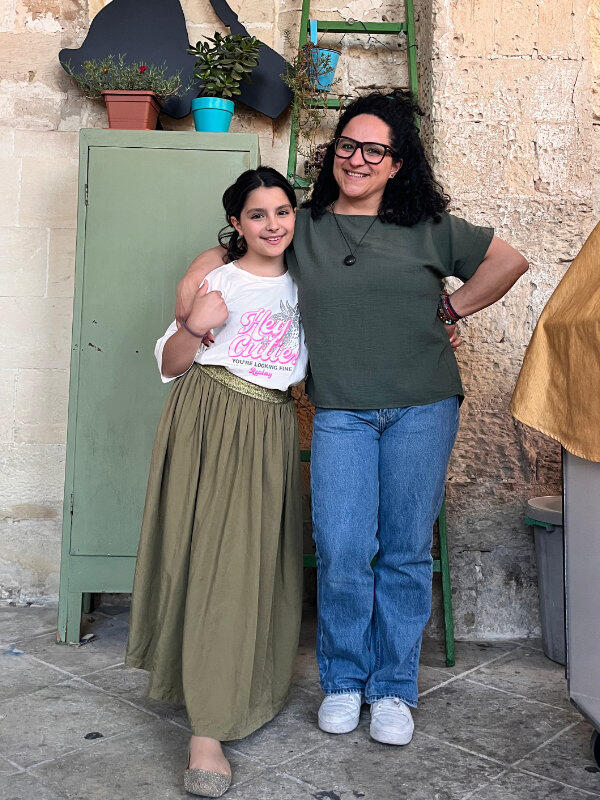
«Twenty years later, I found myself right here, physically reliving that entire echo.»
DONATELLA
She was not born or raised in Melpignano. For years, this town was a narrative—an echo of holidays, concerts, and summer nights—before finally becoming home.To me, this place is also a memory within a memory. Not having been born and raised here, I spent years hearing people talk about it because of Notte della Taranta. My friends and my brother used to come here often back when I couldn't remotely imagine ending up living here. They would tell me about concerts in the quarries toward Cursi, when high-profile figures like Sizzla, Anthony B, or Caparezza would perform.
Then, during Covid, when there was nothing else to do, we used to go for walks in the countryside. One day, while walking, I found myself right in front of these quarries. It was a place I had never been to before, but as soon as I saw it, I remembered having already heard about it in those stories. I couldn't help saying: oh my god, so we are actually here.
A quarry is a massive, incredibly deep hole made of stone and earth. Just thinking about it today, with these scorching 40-degree summers reflecting off the white rock, it feels intensely hot, but in the evening and at night, it has a charm of its own.
I ended up in a place where I never imagined I'd be. Back in the early years of the Taranta in the mid-nineties, when artistic directors like Giovanni Lindo Ferretti or Franco Battiato were involved, the concerts were still held in the main square rather than at the former Convent. When they changed locations, everyone was talking to me about Melpignano, Salento, the sea, the parties, and the pizzica. I kept hearing stories about holidays in Torre dell'Orso or Sant'Andrea. Twenty years later, I found myself right here, physically reliving that entire echo.
PARTECIPAZIONE
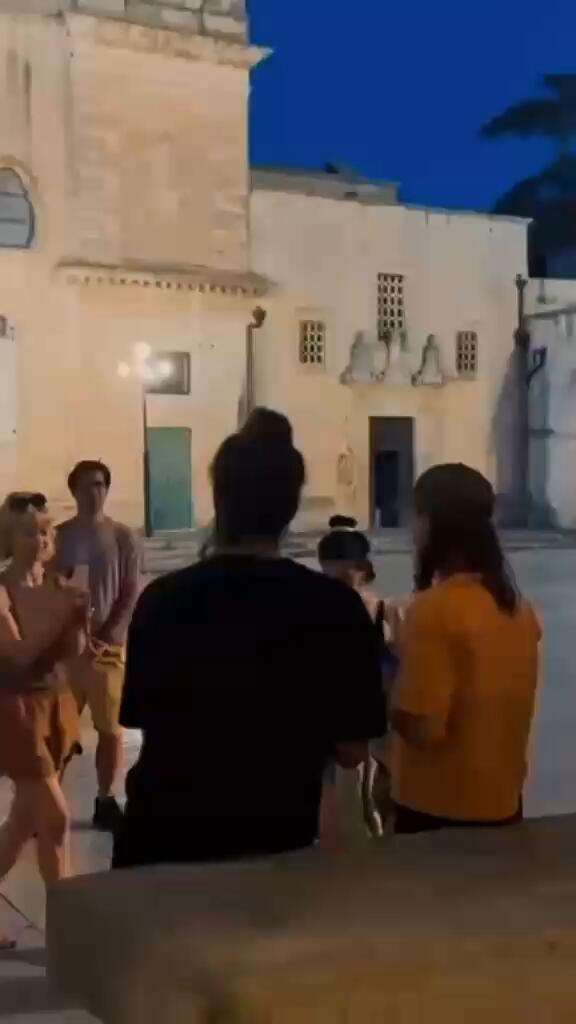
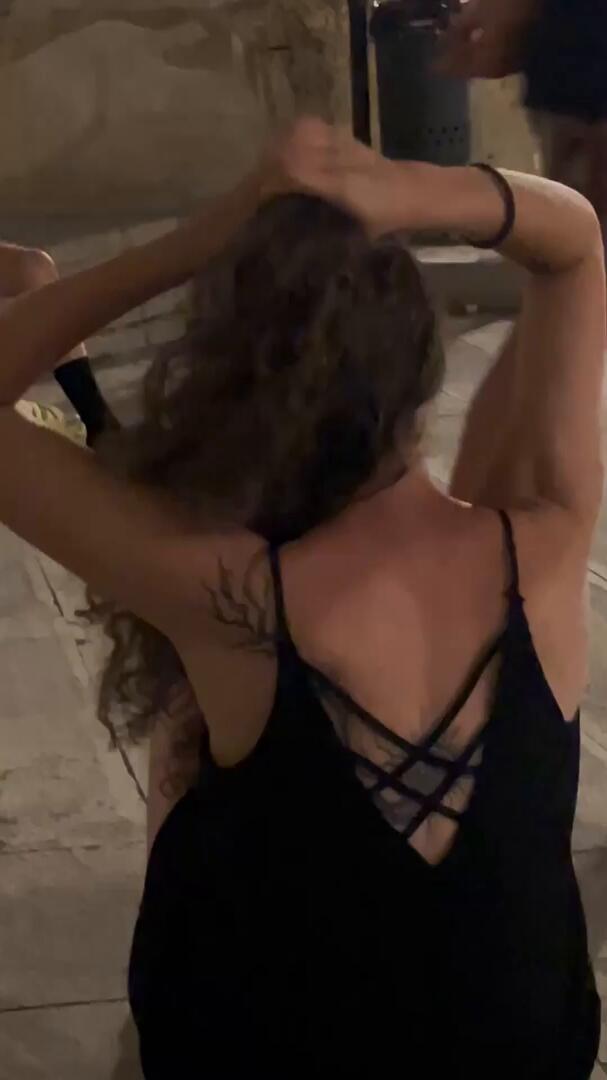
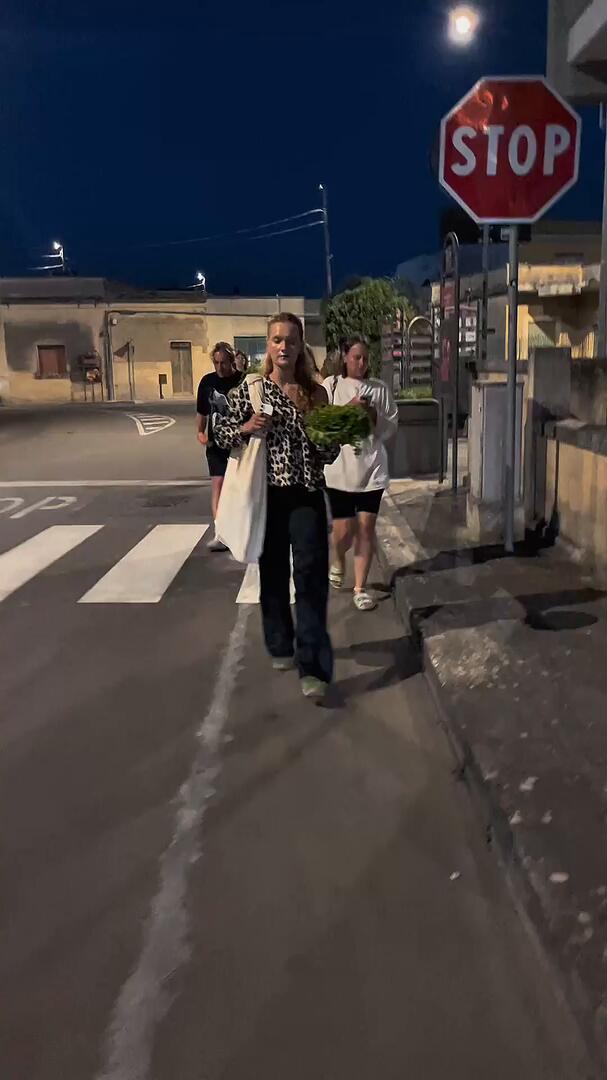
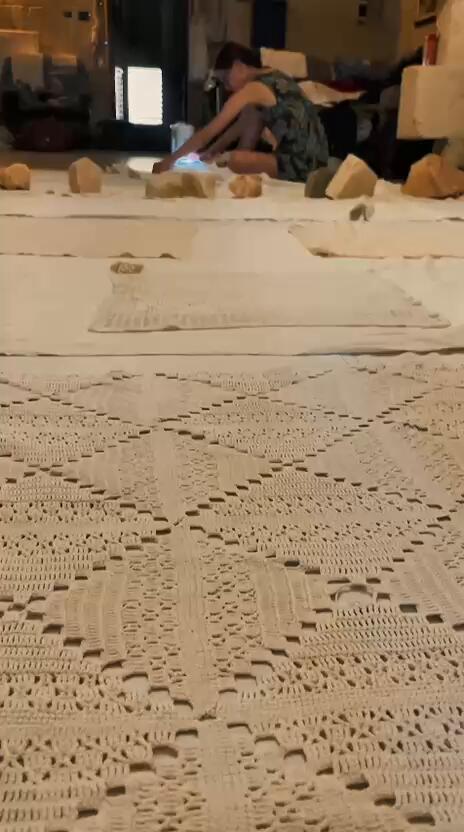
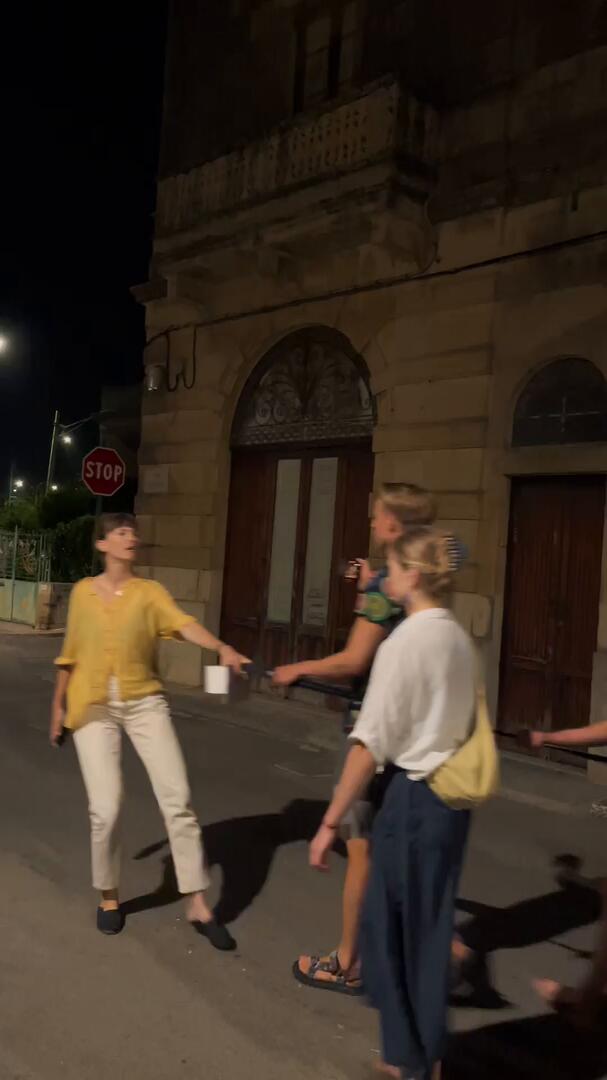
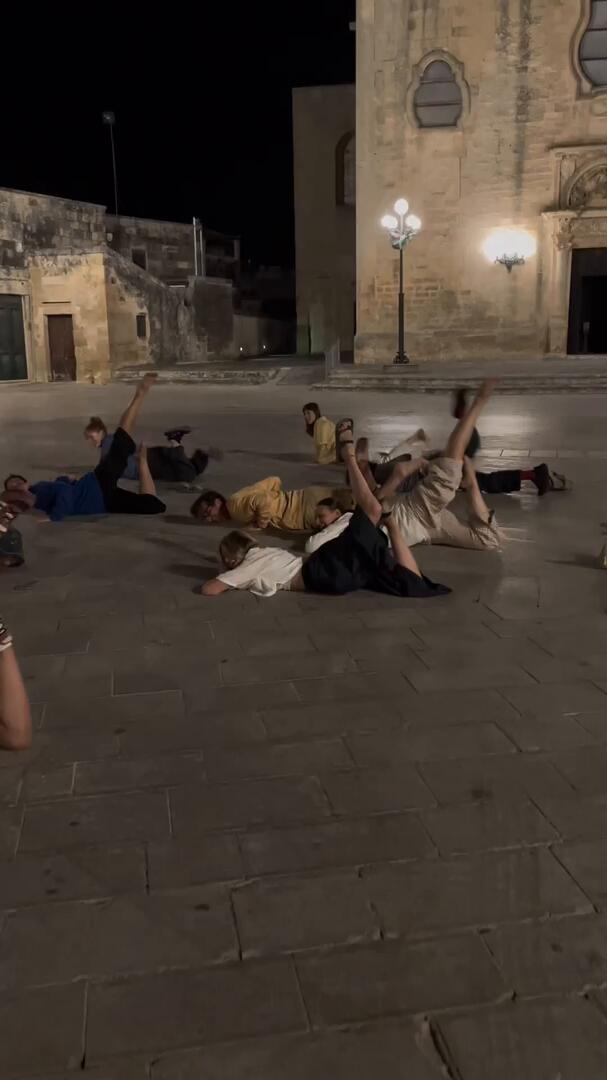
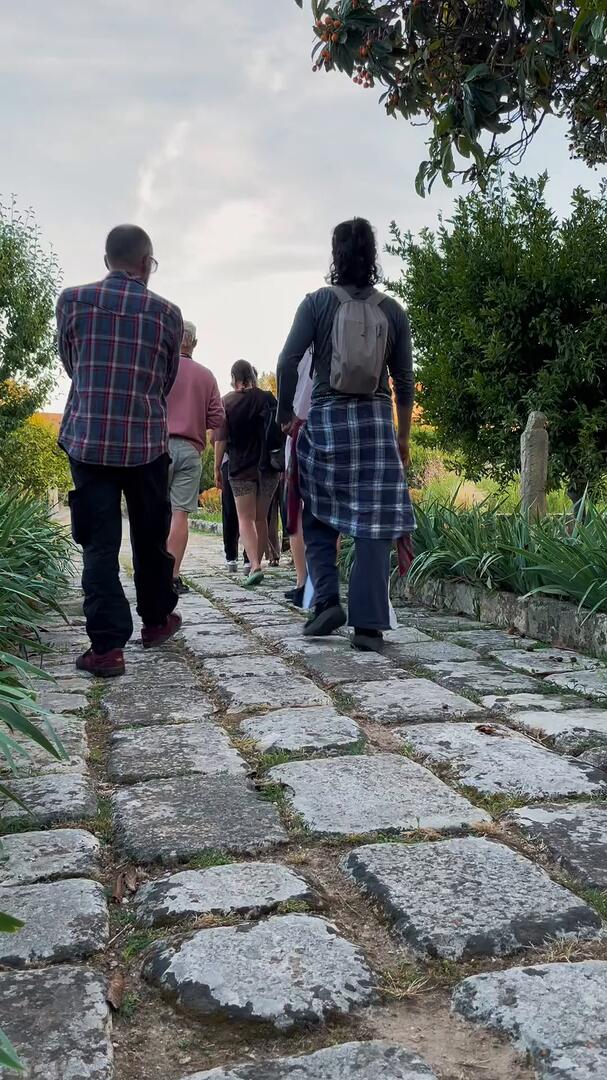
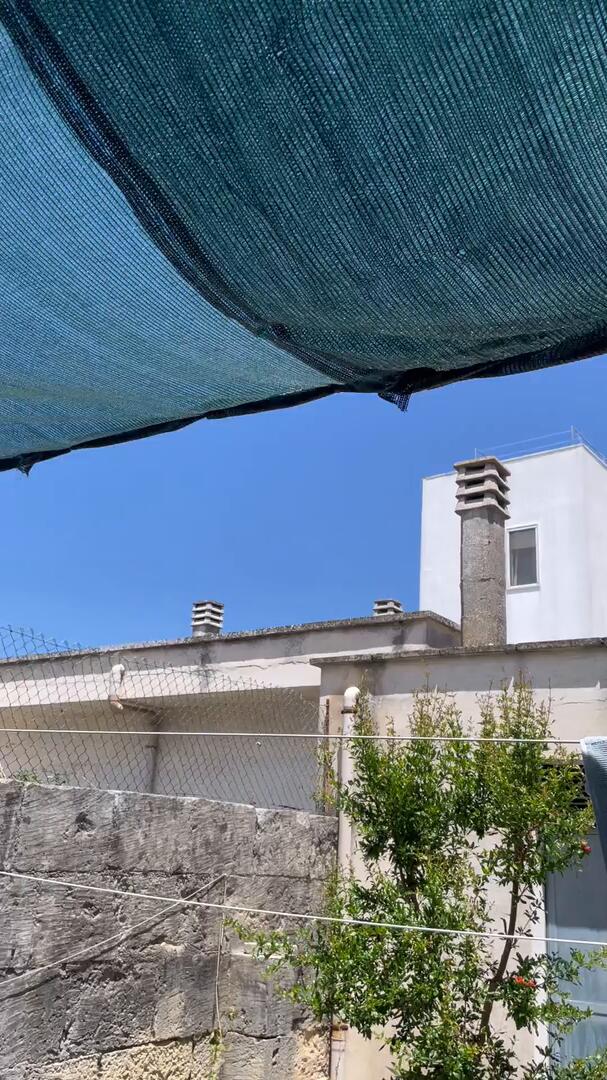
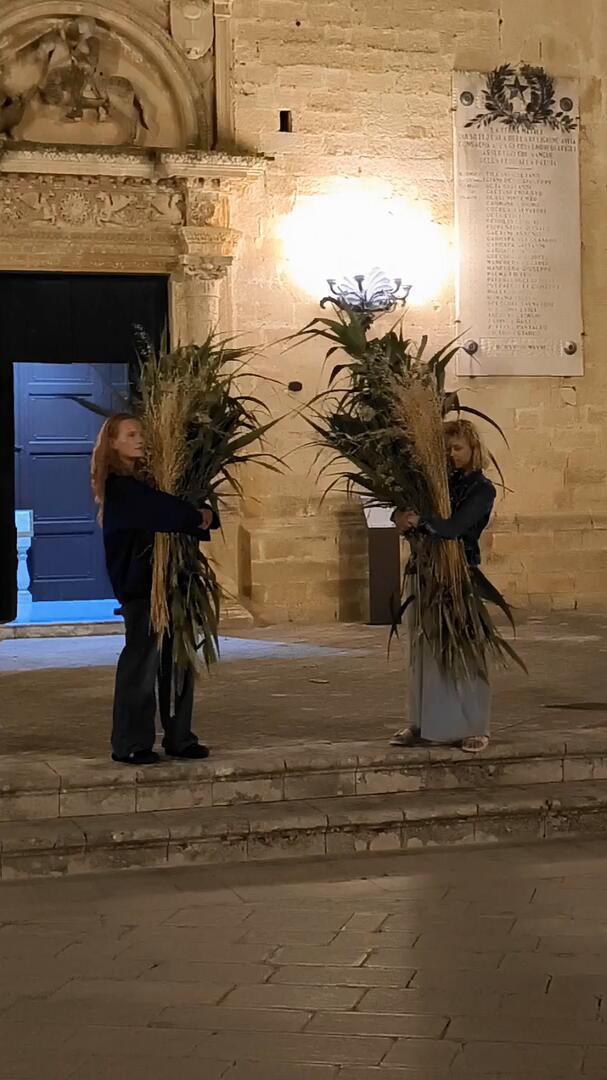
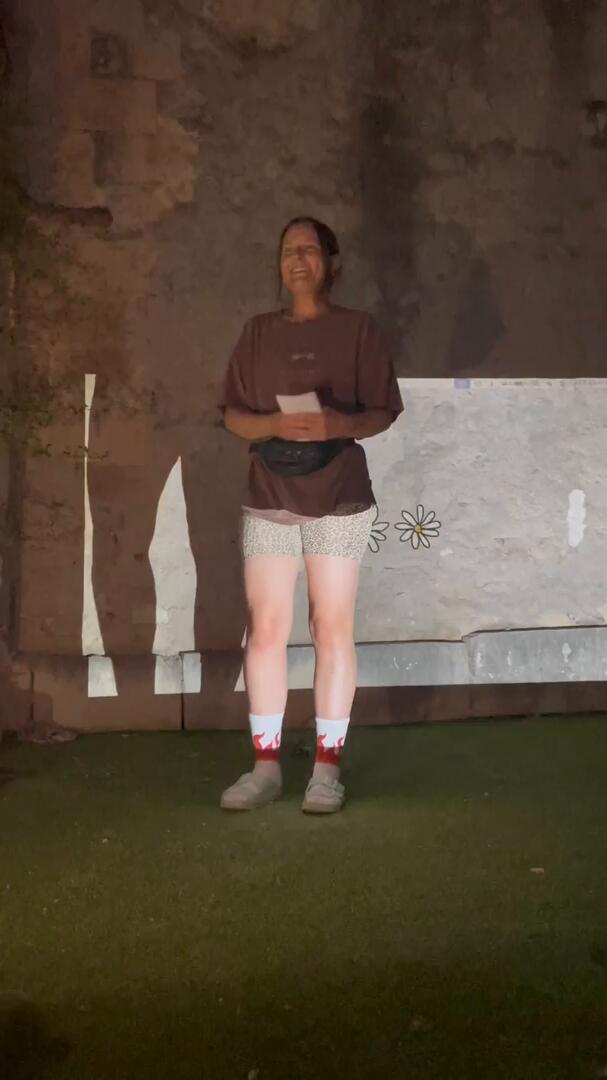
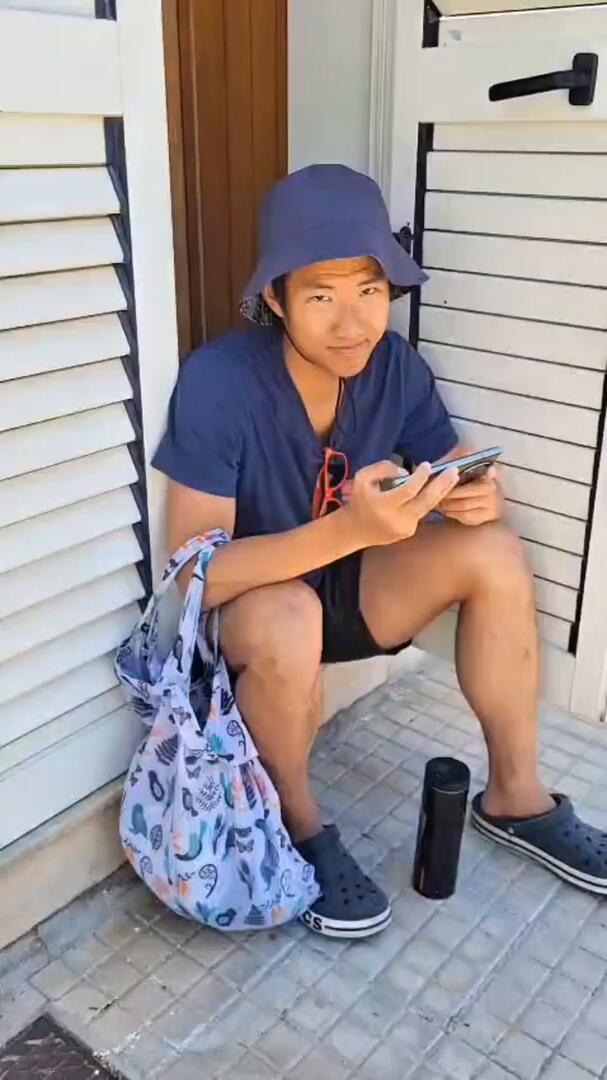
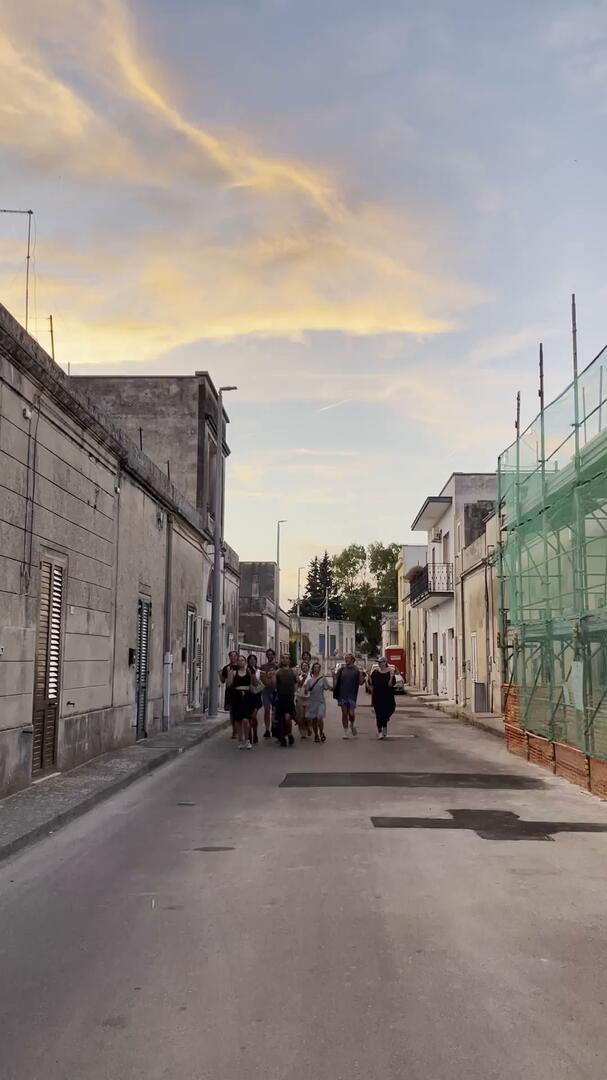
Di seguito l'archivio delle Instagram stories, prodotte dagli artisti e diffuse sui social esclusivamente per i melpignanesi durante l'ultima residenza.
Il valore di questo strumento sta nell'uso controintuitivo dei social: normalmente pensati per raggiungere una sfera globale, qui vengono rimodellati per tenere i locali informati — con un dialogo aperto e documentato — su ciò che accade nelle loro strade, contrastando insieme il chiacchiericcio e il rischio di una narrazione univoca. Le stories permettono a tutti di diventare, almeno in parte, testimoni oculari: di commentare, farsi un'opinione, reagire. Uno strumento che alimenta, giorno dopo giorno, un'opinione pubblica informata su ciò che la residenza produce.
È anche un esempio di come le residenze possano sviluppare strumenti di comunicazione capaci di costruire, nel tempo, un gusto per la performance — e insieme farsi piattaforma per dialoghi che vanno oltre il lavoro stesso, capaci di attraversare la sfera pubblica con dibattiti che aiutano a mantenere viva una coscienza politica nella comunità locale — perché ciò che nasce a Melpignano trova qui, prima ancora di arrivare a un festival internazionale, il suo primo pubblico.
PARTECIPAZIONE

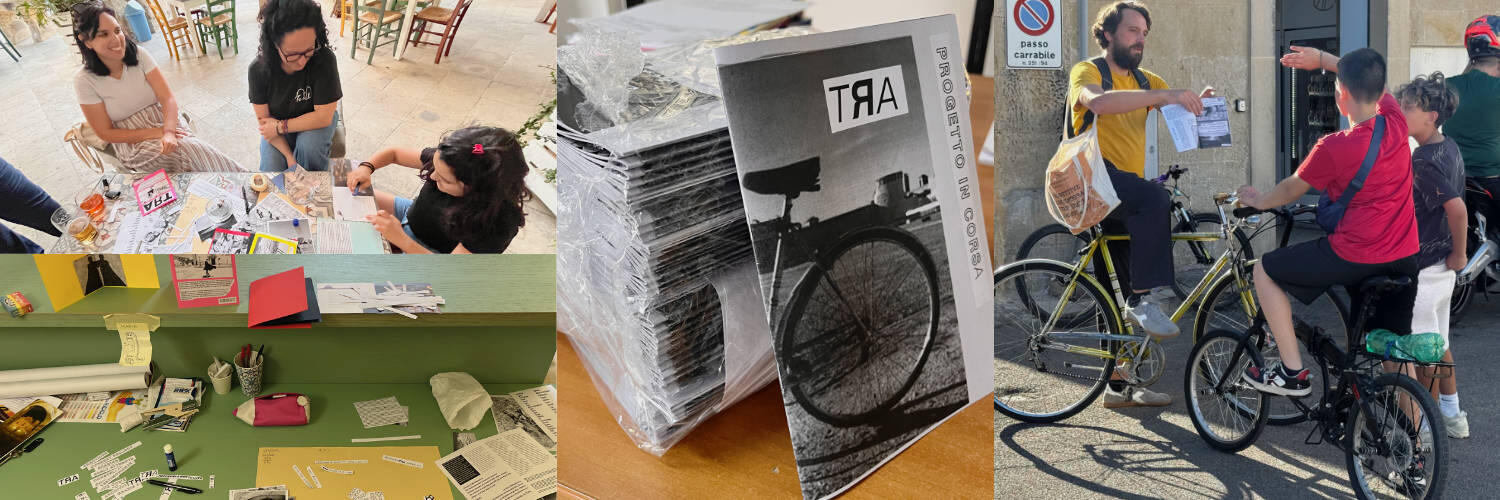
Secondo Wikipedia una fanzine è una pubblicazione non professionale e non ufficiale, nata dal desiderio di condividere — per il puro piacere di farlo — una passione per un fenomeno culturale. Non ha editori né compensi: circola gratuitamente, o quasi, scambiata con altre pubblicazioni simili, o con contributi, articoli, illustrazioni, lettere di chi la legge.
Come per le stories di Instagram, anche qui, con lo scopo di amplificare l'impatto della residenza, TЯA opera un'inversione rispetto alla logica originaria: normalmente la fanzine nasce dai fan di un fenomeno già esistente; qui è invece la comunità — incontrata poco a poco durante la residenza — a essere invitata a immaginarsi "fan delle residenze artistiche" e a costruire la fanzine. I materiali raccolti a questo scopo — documentazione scansionata, ritagli, immagini a margine della pratica — vengono riprodotti su carta, e colgono di preferenza i momenti relazionali, di socialità, che celebrano l'incontro con la comunità e con il paesaggio, piuttosto che il lavoro degli artisti in sé: non raccontano quindi la residenza, ma invitano ad associare, a cogliere un dettaglio, un aspetto periferico o inatteso, con la stessa ossessione con cui un fan si concentra su ciò che agli altri sfugge. Ne nasce un collage collettivo, realizzato in un workshop estemporaneo e giocoso, organizzato orizzontalmente con chi aveva voglia di partecipare — o con chi preferisce tenersi a distanza dai social media, ama la carta, o semplicemente vuole un ricordo da tenere in casa. Un oggetto che, nel suo costituirsi, cristallizza e archivia l'impatto locale percepito della residenza, lasciandolo emergere.
C'è anche un aspetto economico non secondario: le fanzine, una volta pubblicate, rientrano in una piccola economia locale fatta di scambi e offerte libere. Coprono in parte i costi, ma soprattutto restituiscono un senso di valore a ciò che si è vissuto o a cui si è contribuito — una connessione tra valore economico, testimonianza, partecipazione e calore, tenuta insieme da un oggetto che la comunità ha creato con le proprie mani.

PARTICIPATION
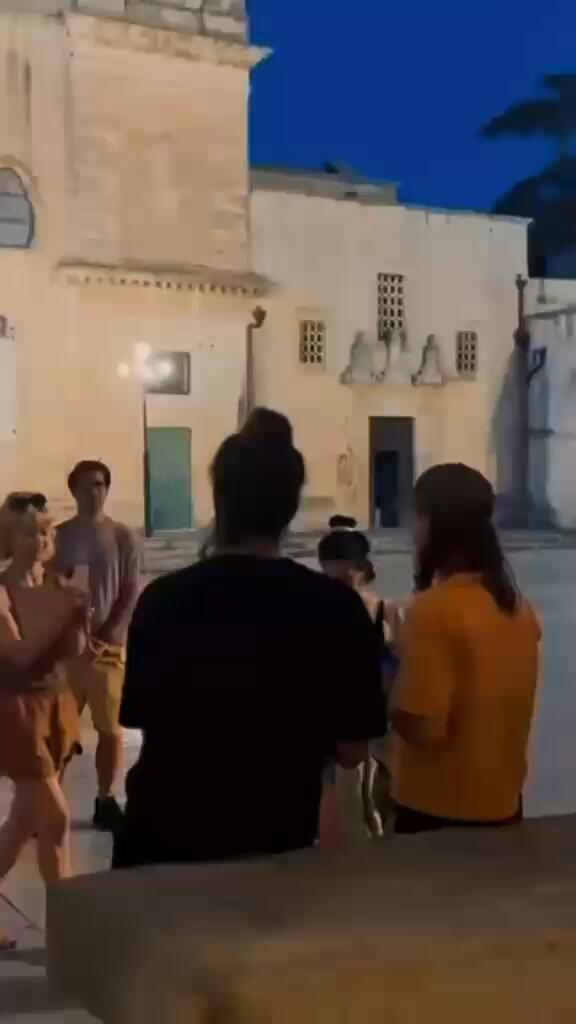
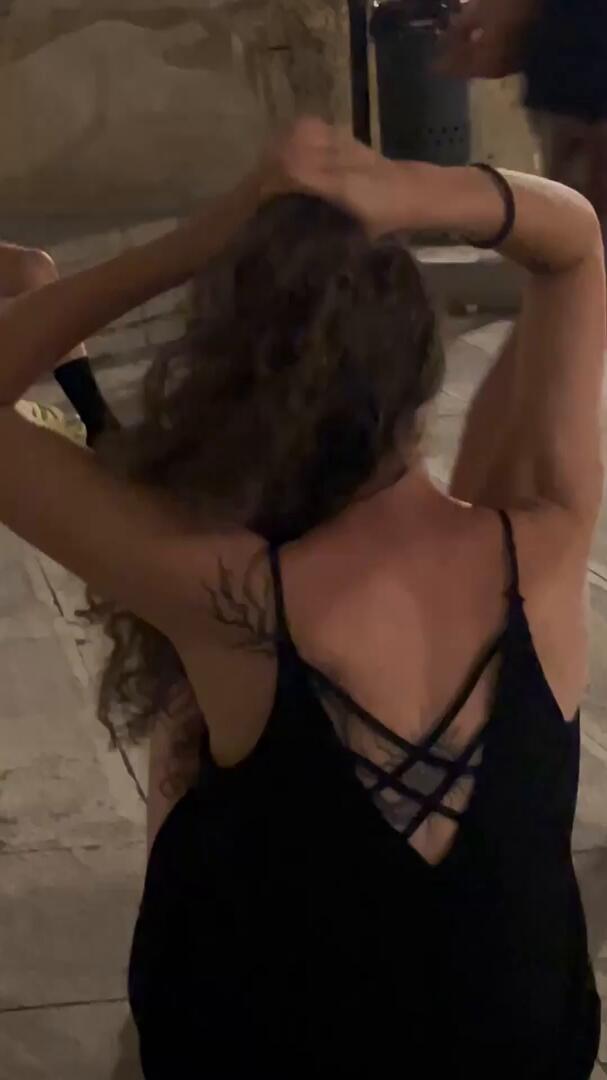
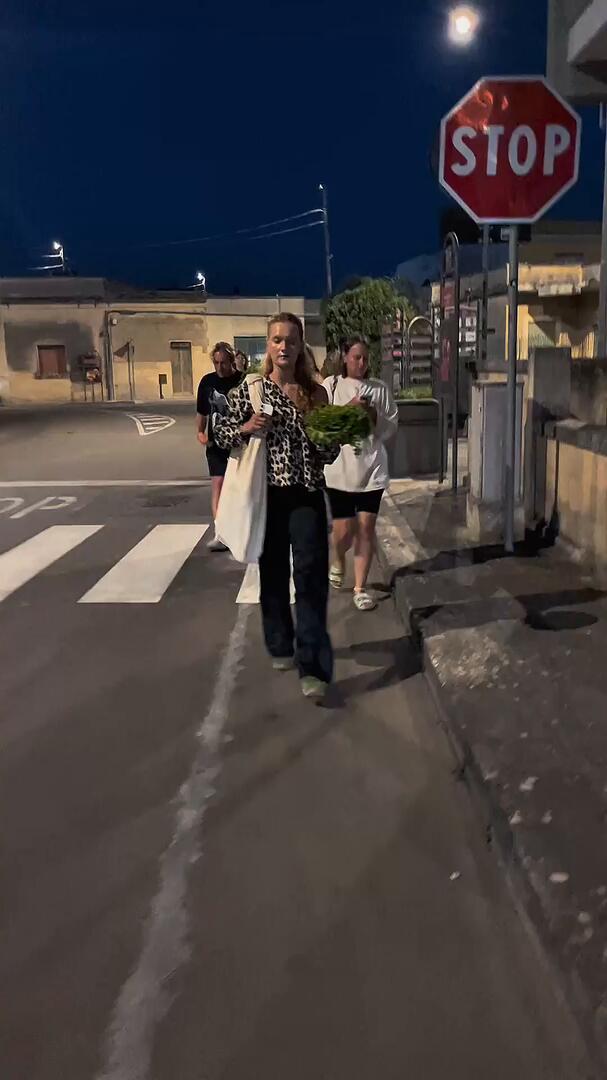
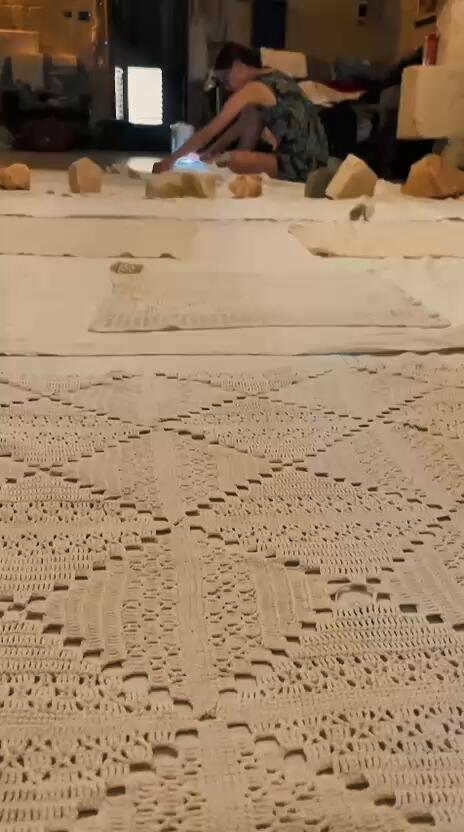
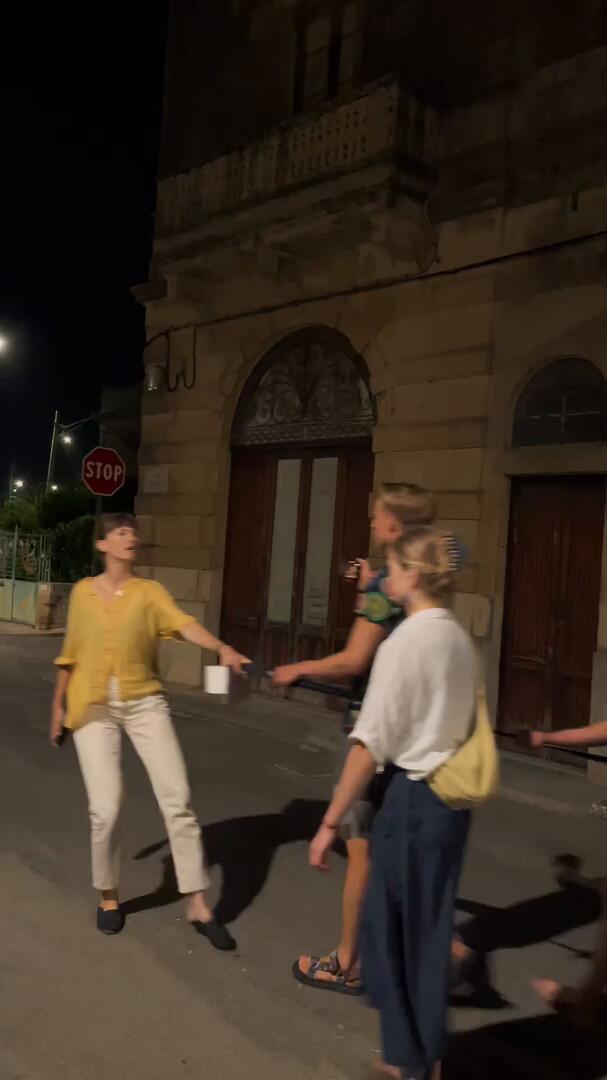
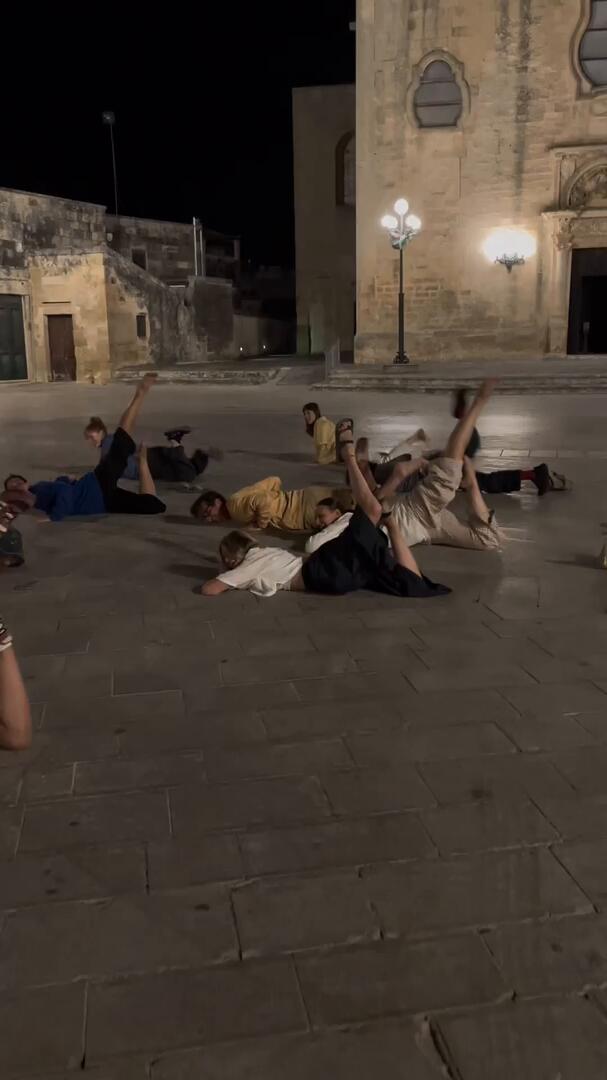
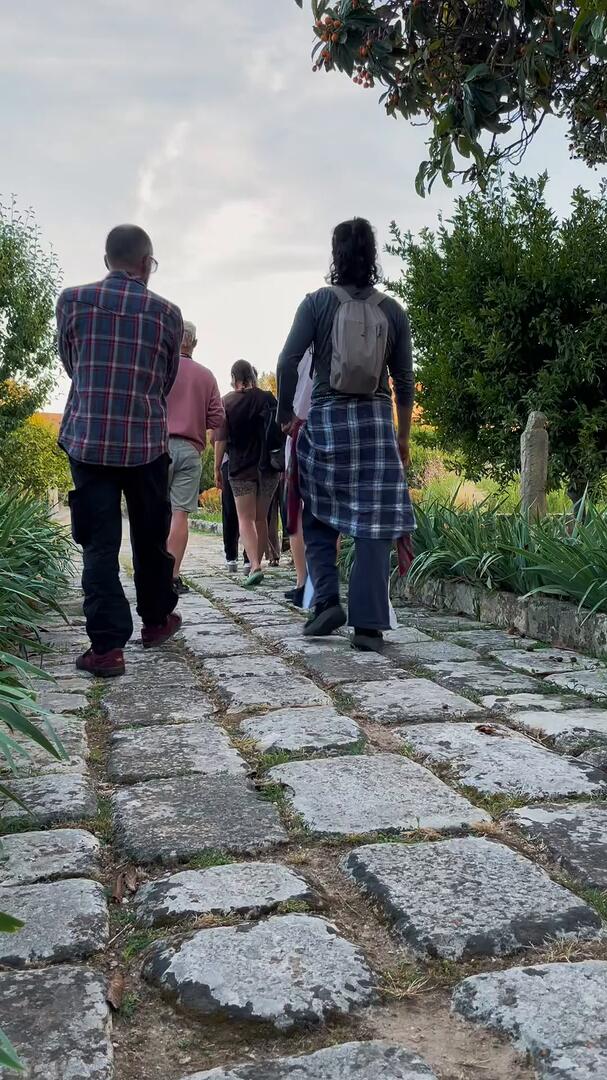
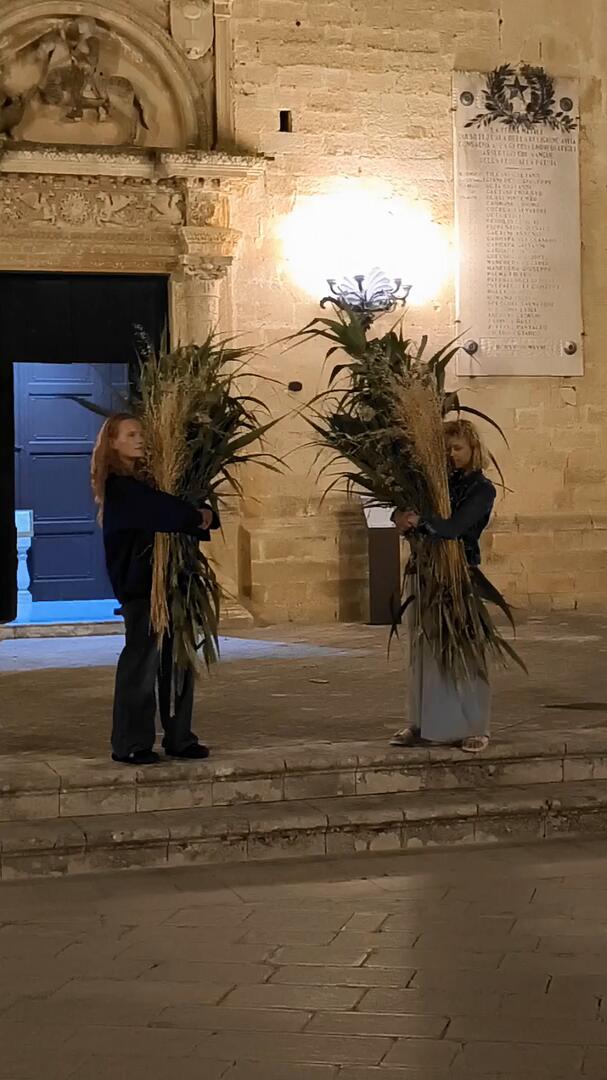
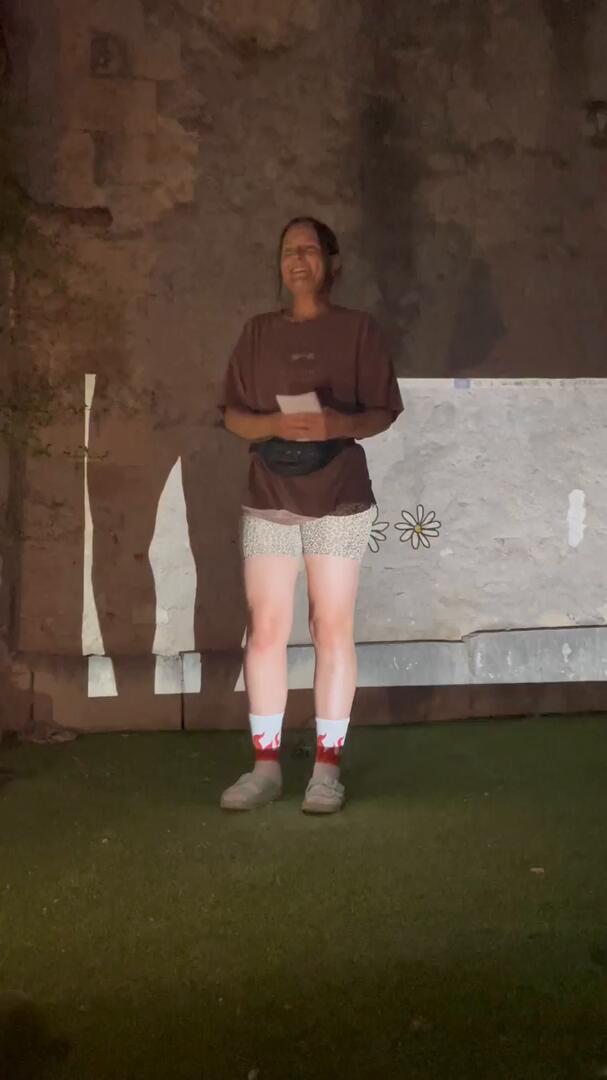
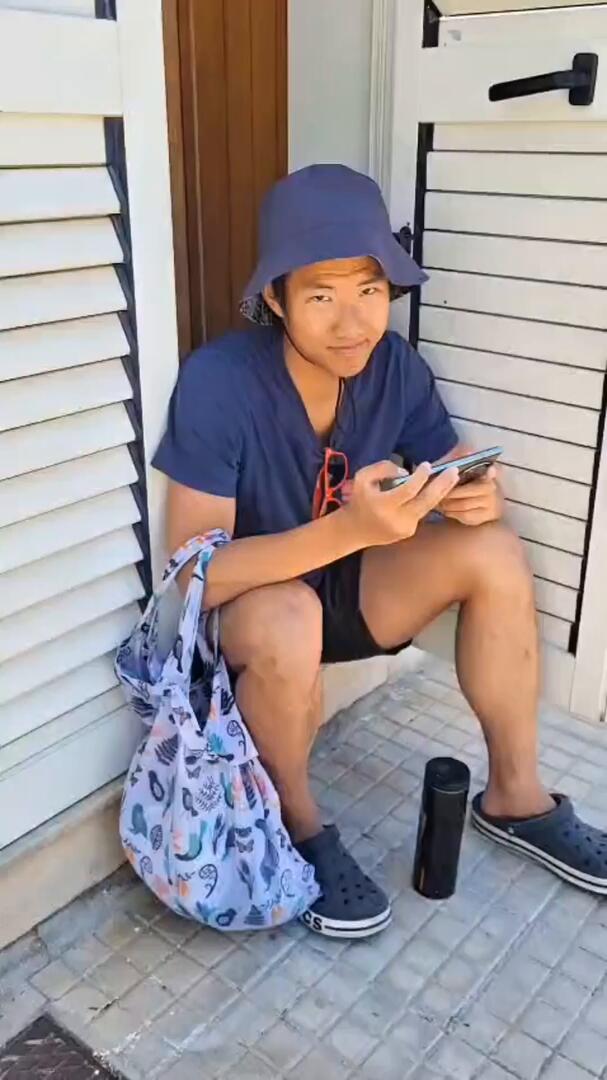
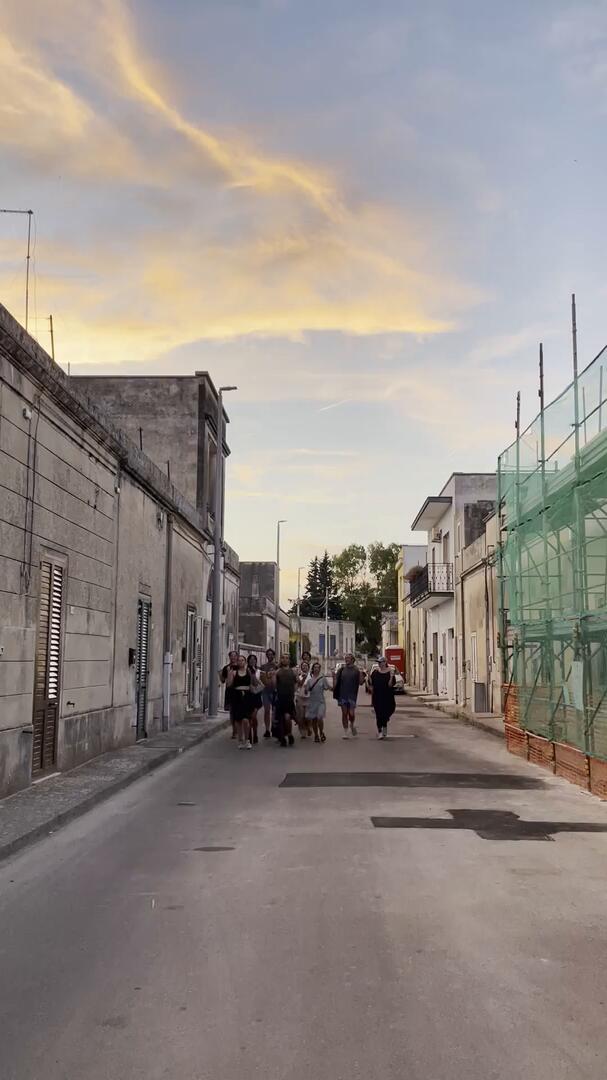
Below is the archive of Instagram stories created by the artists and broadcast on social media exclusively for the people of Melpignano during the last residency.
The value of this tool lies in the counterintuitive use of social media: typically designed to reach a global audience, here they are reshaped to keep locals informed—through an open and documented dialogue—about what happens in their streets, directly countering local gossip and the risk of a single-sided narrative. These stories allow everyone to become, at least in part, eyewitnesses: to comment, form an opinion, and react. It is a tool that nurtures, day after day, an informed public opinion on what the residency generates.
It also serves as an example of how residencies can develop communication tools capable of cultivating, over time, a taste for performance—while simultaneously becoming a platform for dialogues that extend beyond the work itself. These tools cross into the public sphere with debates that help sustain a living political consciousness within the local community—because what is born in Melpignano finds here, long before reaching an international festival, its very first audience.
PARTICIPATION

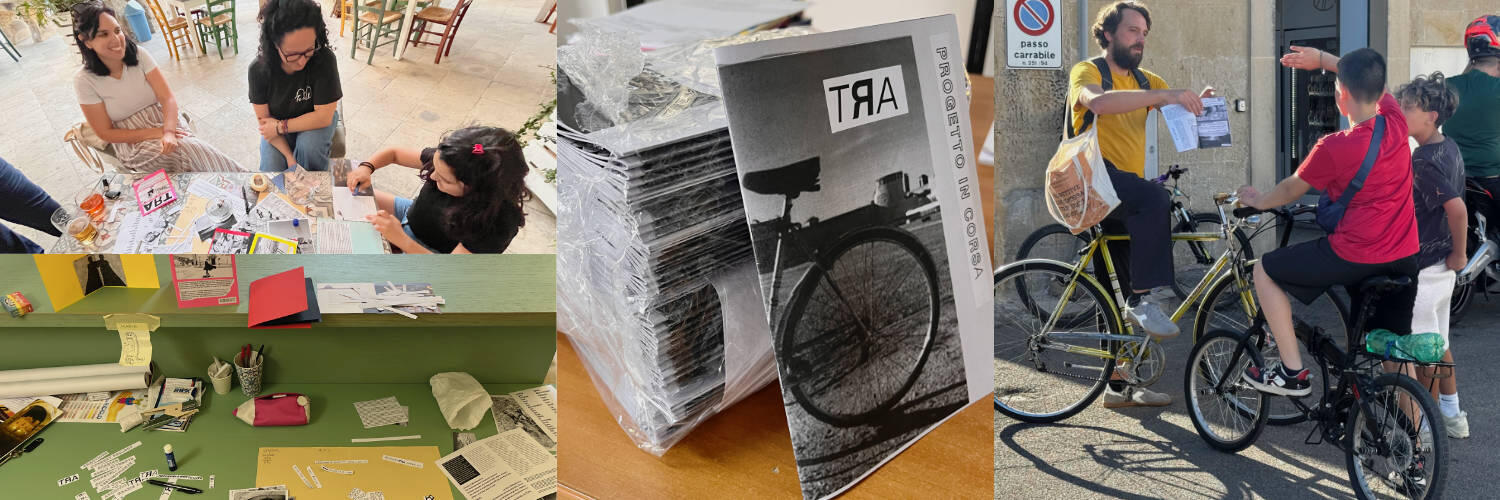
According to Wikipedia, a fanzine is an unofficial, non-professional publication born from the desire to share—purely for the joy of it—a passion for a cultural phenomenon. It has no publishers or profits: it circulates for free, or nearly so, exchanged for similar publications, or for contributions, articles, illustrations, and letters from its readers.As with the Instagram stories, TЯA operates a reversal of the original logic to amplify the residency's impact: typically, a fanzine is created by fans of an already established phenomenon; here, instead, the community—encountered step by step during the residency—is invited to imagine itself as "fans of artistic residencies" and build the fanzine. The materials gathered for this purpose—scanned documentation, clippings, images at the margins of practice—are reproduced on paper, capturing relational and social moments that celebrate the encounter with the community and the landscape, rather than the artists' work itself. They do not merely document the residency; they invite associations, pointing to a detail, a peripheral or unexpected aspect, with the same obsession a fan reserves for what others overlook. What emerges is a collective collage, created through a playful, spontaneous workshop organized horizontally with anyone eager to participate—or with those who prefer to keep their distance from social media, love paper, or simply want a keepsake to hold on to. In its making, it crystallizes and archives the perceived local impact of the residency, letting it surface.There is also a noteworthy economic aspect: once published, these fanzines enter a small local economy of exchanges and pay-what-you-want donations. They partially cover costs, but above all, they restore a sense of value to what was experienced or contributed to—a connection between economic value, testimony, participation, and warmth, held together by an object the community crafted with its own hands.

ABOUT
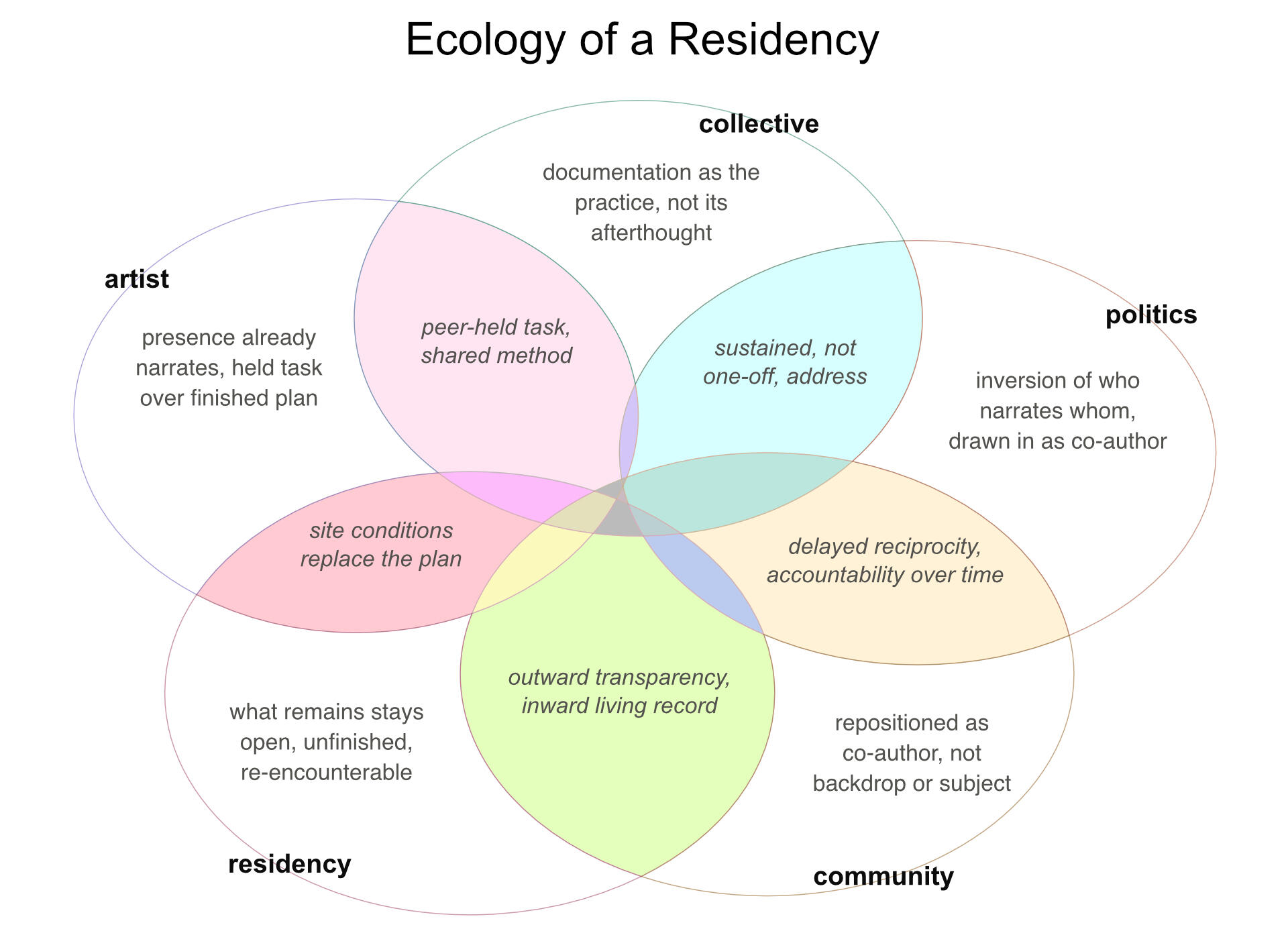
Every residency produces relations before it produces work: with a place, with the people who already live there, with the institutions that make the stay possible, with the other artists sharing the same weeks. This site starts from a shift in how those relations are treated — not as backdrop to the artistic process, but as its actual material.Seen this way, a residency stops being a container with the artist at its center. It becomes closer to an ecosystem: several fields — artist, collective, residency, community, politics — that are never fully separate, and that interact from the first day, continuously, without waiting for a finished work to justify the encounter. No field holds a privileged position over the others, though not all relations run on the same timeline: politics, for instance, is often already at work before an artist arrives, shaping what becomes possible rather than simply observing what results.A note on what kind of residency this is.
TЯA began as a residency for actors. Melpignano had no rehearsal hall — no stage, no studio, nothing resembling the conditions actor training usually assumes — and that absence, rather than being solved, became the first field of inquiry: actors making performative acts in public space, because public space was what there was. From there the population widened, by affinity rather than by discipline: dancers, performers in the broadest sense, musicians, practitioners from other fields — the criterion never being what one does, but an explicit interest in working in non-conventional places. This sets TЯA at an angle to the more familiar residency model, organised around production or research toward a show, or around the ongoing work of already established artists and groups. The fourth edition made the difference explicit in one more way: among its more than twenty participants were sixteen artists who were also second-year students of CPPM — the MA in Contemporary Physical Performance Making at the Estonian Academy of Music and Theatre, where TЯA's founder teaches — attending the residency as a traineeship, with an agenda of their own: learning to conduct practice research in view of their final-year work.That reframing raises questions this site doesn't consider settled, and is built to keep open rather than resolve:
If the relations around an artist's process are constitutive rather than incidental, what does that change about the process itself? If a residency is a relational project by definition, can that relational quality be made visible while it's happening — tracked, named — rather than reconstructed afterward, once everyone has left? How dense or sparse a given intersection becomes — how often two fields actually touch, not just whether they can — seems to matter as much as which fields are involved. And where two fields do overlap — artist and politics, collective and community — something specific tends to happen: not a compromise between them, but often a reversal of the direction each relation usually runs in, of who ends up narrating whom. Can that density be modulated on purpose, and can the reversal be prompted deliberately rather than only noticed in hindsight?A note on language. The pages addressed to the people of Melpignano are written in Italian; the pages addressed to the wider field — this one among them — are written in English. The split is deliberate: each reader is met where they stand, and the threshold between the two is part of what the site is about.Across four editions since 2021, TЯA has developed a set of concrete instruments in response to questions like these — a letter, a set of interviews, a fanzine, a map of gratitude, an archive that stays open rather than closed. This site gathers them not only as documentation of what already happened, but also as an attempt to give shape to a method: a way of working with the density of these intersections, offered here for others to test, adapt, or push back on.The project takes its name from the Italian preposition tra — among, between — written with a flipped R that folds the word art inside it. Not a container. A threshold: something that exists only in the crossing.
PRACTICES
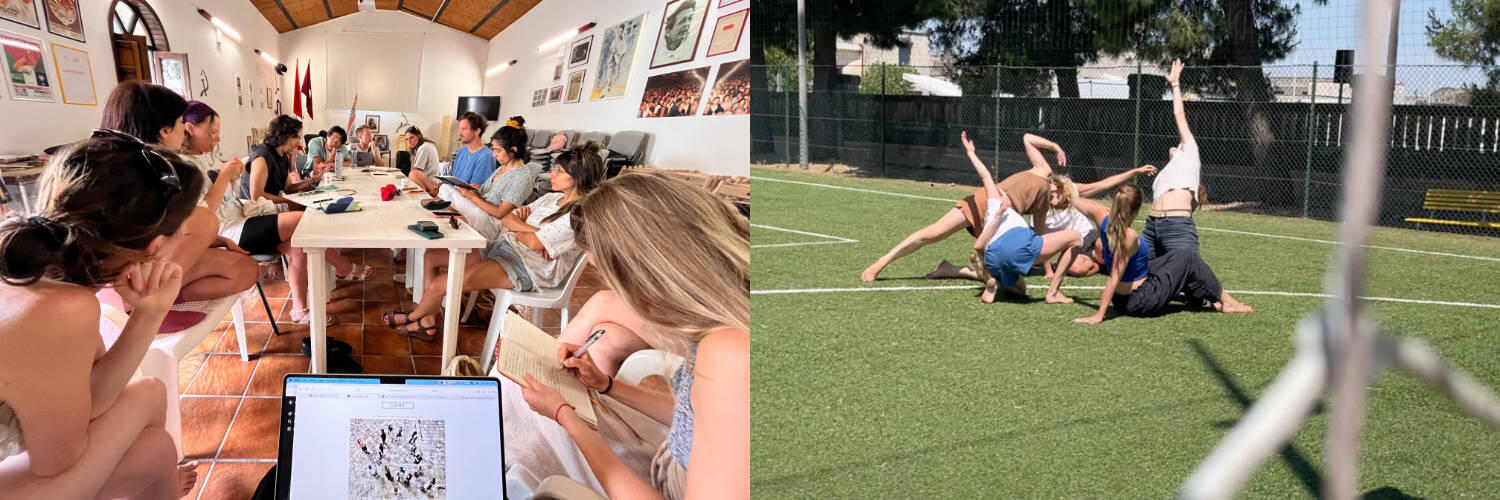
Among the relations this site treats as constitutive, one recurs inside every residency regardless of who is in the room: the oscillation between working alone and working exposed to others. Not a choice made once, but something that moves, session by session, sometimes toward solitude, sometimes toward collective presence, without either direction claiming more legitimacy than the other.
PRACTICES
Two ways of describing why that oscillation is a condition rather than a compromise arrive, independently, at the same place. One vocabulary, institutional and pedagogical, calls it flat ontology: the refusal to let any single input — a role, a hierarchy, an intention — stand above the others, on the ground that everything already affects everything else, whether or not anyone names it. Sleep, mood, who cooked, who withdrew: not background to the work, but the work in another tense. The other vocabulary, somatic and phenomenological, arrives at something close to identical from underneath language rather than through it: intercorporeality, the sense — after Merleau-Ponty's account of flesh — that separation between bodies is an appearance, that contact is recognised rather than initiated, and that what looks like hierarchy dissolves, at the level of the body, into exchange.If both are right, the oscillation between individual and collective is not something a residency introduces. It is already happening, whether or not the structure around it makes room for it. What a residency can actually do is narrower, and more interesting: build conditions under which that oscillation becomes something people can work with consciously, instead of something that simply happens to them.That is the open question this page holds: what modulates the oscillation — what encourages it, what facilitates it, what dampens it without anyone noticing — and whether the conditions built to hold it can also be trusted to register when they fail, not only when they succeed. An architecture built to let relation surface is not, by itself, an architecture that shows its own limits.

CURRENT
PROJECT
RESISTENZE E METABOLIZZAZIONI10 MAY - 6 JUNEMELPIGNANO, ITALY
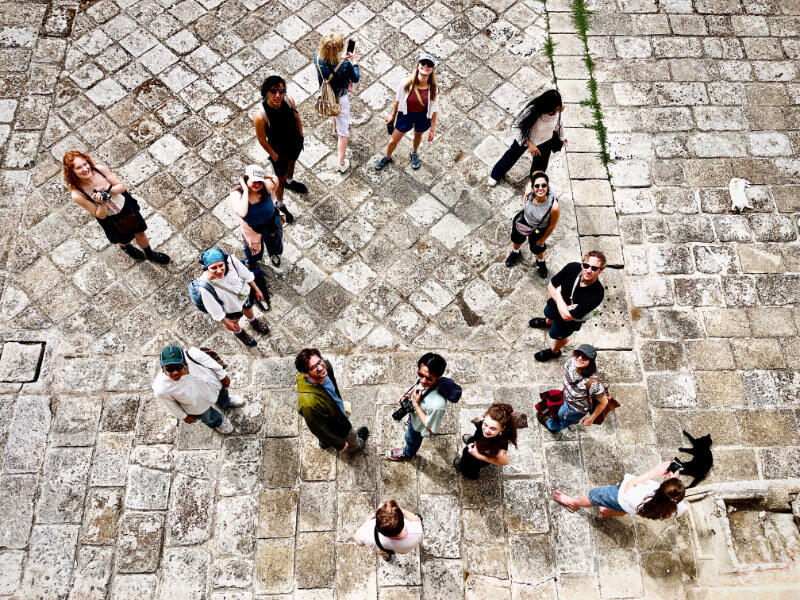
The oscillation described on the Practices page was, in this edition, not only tested and monitored. It was deliberately stimulated — through coordinated action, not left to the spontaneous choices of individual artists.The frame for this edition takes the residency's recurring pair, resistenze e metabolizzazioni, and narrows it to the relational axis specifically.Resistance, here, means resistance to relating in any of the ways the Practices page maps across its spectrum. Metabolization means the point at which a digression away from one's own practice converts into capacity — but not only capacity to act inside that practice. Some of what metabolises stays outside it: a sense of where one stands inside a collective, a way of locating one's own position within a wider question of sustainability that belongs to the place as much as to the work. That dimension carries its own political weight, and this site does not treat it as incidental to the artistic one — closer, if anything, to what Jane Bennett calls the curious ability of things, human and not, to act: a sensibility this practice hopes to develop, not one it sets out to change.

Two kinds of material sit below, and they are doing two different jobs.
The preparatory text, circulated before arrival, is a cognitive instrument: an attempt to map, at the theoretical level, the specific ecology one enters on arriving at a residency — naming what is already present, giving visibility to forces already in motion before anyone has done anything.The individual documents that follow carry the more significant weight of the two. Produced during the residency itself, they are instances of how these relational spaces were actually explored, probed, and documented in the course of practice — not illustrations of the frame above, but where the frame was tested against something real: a video working the tension between political framing and the artist as its subject, aimed at the residency's own image as a potential holiday; a diary of care, written in three voices; a separate reflection on access.Not everything registered. Some resistances left no trace in any of these documents — which is itself a finding, and one the next edition inherits.
CONSTELLATIONS
This page is a node, not a directory. Everything this site frames analytically elsewhere — the ecosystem, the oscillation, the fork between individual capacity and collective sensibility — is one reading of what happened here, built from the outside of any single person's experience. This page exists so that another reading can sit alongside it, unedited by that frame: the testimony participants have chosen, freely, to write and host in their own spaces, linked here rather than reproduced here.Nothing that follows was written to confirm the analysis given elsewhere on this site. Some of it may not engage with that analysis at all. Some of it may resist the very proposal this residency makes — that one stays constantly, deliberately in relation — and say so plainly. That resistance belongs here as much as any agreement would.
CURRENT CONSTELLATION
Silvia
Giacomo
Fabio
Flavia
Kym
Leah

Daniel
Ed
Charis
Anita
Juuli
Dita
Ana
Avery
Maria
Anette
Zhen Yan
Francesca
Elar
Selvaggia
CONSTELLATIONS
PREVIOUS CONSTELLATIONS
Three points of activation precede this edition — most of what this project does now was arrived at by walking down the same road, in the same heat, with different bodies and different questions, three times before. What follows names those iterations, and, more than anything, the people who were in each room each time — most of what holds together in this work was learned from them.
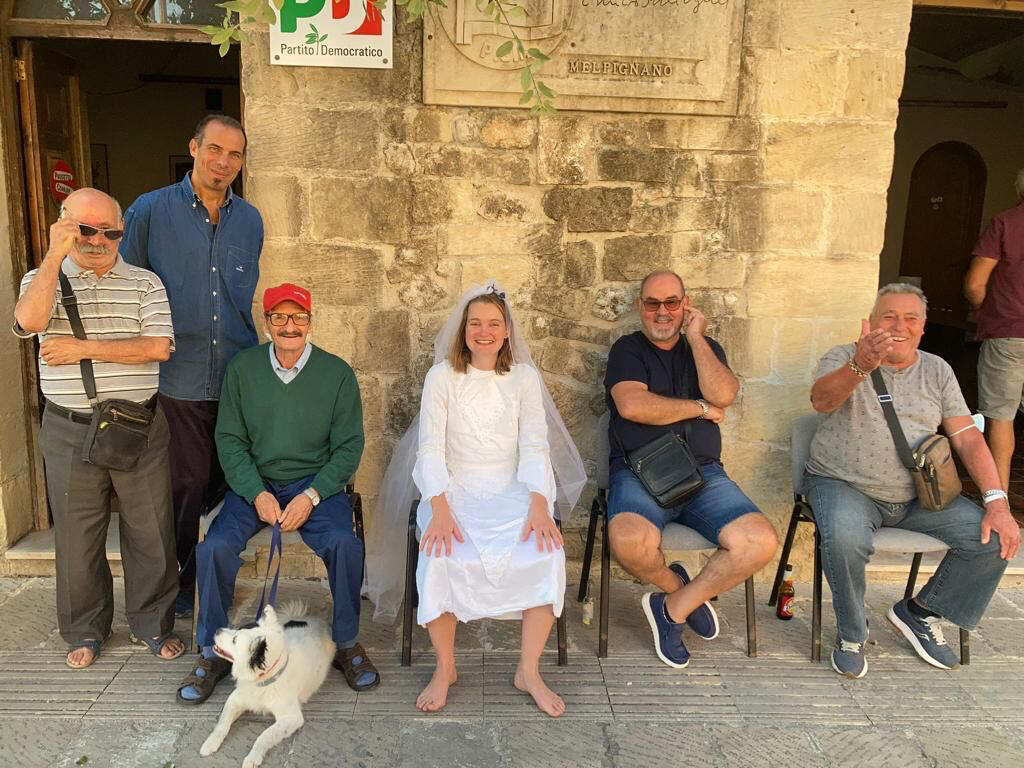
First activation — A Room of One's Own (September 2021). Fifteen artists, mostly international actresses, came to Melpignano with a plan: to reimagine the first act of Chekhov's The Seagull, using Konstantin's staging as a springboard for something connected to Puglia. The plan did not survive the arrival. The town had no rehearsal space — no hall, no empty stage, nothing that resembled the conditions the group thought it needed. What it had was the Palazzo Marchesale, at its centre, with a series of small rooms in hard sandstone, poor acoustics, and no obvious theatrical use.The plan was let go. Each performer was assigned a room and given a single task: to find their own orientation between the private space inside and the public life of the village outside. Virginia Woolf gave the frame — A Room of One's Own — and the town gave everything else. Work began with what was called the Coin Task, taken almost directly from the Italian philosopher Andrea Gentile: sit in a car with a coin, propose two daring options to your peers, toss, and follow the outcome. Every ten to fifteen minutes. All day. Return at nine in the evening to share what was documented.The coin task worked. It sent the performers into the town with a structure firm enough to hold them and loose enough to let things happen. What came back in the evenings — encounters, images, objects, fragments of village life — was more alive than anything that could have been rehearsed. The feedback from the community was enthusiastic. The difficulty, it turned out, was the return to the rooms. Translating the outside world into the confined space of four walls proved harder than anyone had expected. Some managed it, turning their rooms into personal archives of images, texts, and objects. Others felt the rooms pull them back toward a rehearsal logic they had only just escaped.That tension pointed clearly to what the second activation needed. Looking back, this is where artists generally occupied with themselves were first pushed into the public sphere, toward a creativity of necessity found in social interaction — and the room stood for exactly what could not be allowed to dissolve inside that push. Coming to a residency at all, in some sense, has always been this decision: to give up the room daily, on condition that it not be lost. Active nodes: Alice Corni, Alice Torriani, Alicia Aumüller, Birte Schnöink, Flaminia Veronesi, Isabella Macchi, Johanna Witt, Iveta Pole, Keithy Kuuspu, Liisa Saaremäel, Sharon Tal, Fabio Ghidoni, and Giacomo Veronesi.

Second activation — Archiving Melpignano (April 2022). Eighteen performers, a month in the same town, built around the answer the first activation had pointed to: documentation could not be an afterthought; it had to be the practice itself. Before arriving, a core team of five spent weeks preparing on shared digital platforms, establishing a tasking system and an archiving framework. Questions that had remained implicit in September were made explicit: what does archiving mean for a local community? How can recording and editing make an artist aware of their own body's connection to the world?Every morning at seven, the group gathered to write the day's tasks — printed on paper cards by nine, completed, documented, and presented by evening. The tasks moved in two directions: outward toward the community, inward toward self-reflection. The April group was more multidisciplinary than the September one — video artists, sound designers, architects alongside theatre makers — which forced the tasks to be written in a language open enough for everyone to enter from their own discipline. That constraint turned out to be generative. It renewed the group's attention to language and produced outcomes none had anticipated from tasks first conceived for theatre.What Melpignano returned, across both activations, was the same thing in different forms: the town absorbed the group through its porous boundaries, and what was made in response was inseparable from what had been received. The final event of Archiving Melpignano took place on 26 April in the Palazzo Marchesale — a participatory, itinerant conference across five rooms on the noble floor, open to the community. Locals came. They mingled. Several artists were invited back the following year.This is also where flat ontology first became a working method rather than an idea held at a distance: if every hour of the day already affects the practice, the practice needed a floor that held regardless of what else was happening — two or three hours, fixed, the one point around which everything else could be lost, deferred, or given away to someone else's task without cost. Active nodes: Fabio Zullino, Cedric Eeckhout, Eulalie Roux, Emilie Flamant, Sandro Pivotti, Carlo Zoratti, Birte Schnöink, Hanna Binder, Olivier Van Den Hende, Mona Camille, Liisa Saaremäel, Lisa Ursula Tschanz, Chiara Verzola, Fabio Ghidoni, Flavia Ripa, Anita Kremm, Martina Georgina Buhagiar, and Giacomo Veronesi.
Third activation — Ritratti per strada (August 2023). Smaller and quieter. Four practitioners returned to the Palazzo Marchesale — not to begin again, but to finish. The raw materials accumulated across the first two activations had been waiting: intuitions held in suspension, images not yet resolved, objects still asking for a form. This time, the task was to find it.Working individually, each practitioner developed a single performative work housed in one of the Palazzo's rooms. The building that had once been a starting point — the place where the plan fell apart and something else began — became the site of four completed works: a painting exhibition, a video installation, a live performance, and an exhibition of bridal dresses. Co-produced with Schauspielhaus Zurich, this activation marked the moment the residency stopped being only a research process and became, also, a body of work — and, looking back, the point where the outward-facing, relational attention built by the two activations before it became visible from the inside, folded into work each practitioner could stand behind alone.And then there is everyone in Melpignano whose names are not written here, and to whom most of what works in this work is owed. Their names are withheld because consent was never asked, and a website is the wrong place to put someone's name without it. Readers are asked to hold them in mind regardless. The village is the first reason any of this works at all. This page, in the end, is for them more than for anyone else.
GRAZIE A
Quando una residenza finisce, c'è sempre un momento per ringraziare — di solito una festa, un brindisi, un saluto collettivo. Ma la gratitudine, a volte, ha bisogno di più tempo per prendere forma.Uno strumento sviluppato da TЯA è la mappa del grazie: la resa giocosa del classico discorso ufficiale degli organizzatori di una residenza, tradotto dagli artisti in forma grafica. Il discorso stesso è una raccolta meticolosa di ringraziamenti, estesa a chiunque abbia reso possibile la residenza — personalità politiche e cittadinanza, senza distinzioni di ruolo.Nella mappa emerge una rete di connessioni, dirette e indirette, che hanno sostenuto il progetto: i finanziamenti e gli scambi ufficiali, ma anche i favori, la disponibilità, la generosità che restano fuori da ogni bilancio.
GRAZIE A
Il secondo strumento è la cartolina, inviata dagli artisti il giorno della partenza. Capovolge la logica consueta dell'oggetto: non parte da un luogo per raggiungere casa, ma nasce a Melpignano per restare a Melpignano. Lo sguardo esterno, a volte più fresco di quello di chi il paesaggio lo abita ogni giorno, si dedica in quel giorno a raccontare una bellezza che l'abitudine può aver reso invisibile.Il formato è video, breve, e porta sempre con sé un grazie sentito alla cittadinanza — un grazie che arriva quando ha già avuto il tempo di maturare, come una mancanza nel cuore di chi resta, e non nel calore immediato della festa.Resta sul sito come un piccolo specchio: un modo per la comunità di verificare quanto, agli occhi di chi arriva da fuori, il proprio paese sappia essere accogliente, ospitale.
ARRIVEDERCI!


THANKS TO
When a residency comes to an end, there is always a moment to give thanks—usually a party, a toast, a collective farewell. But gratitude, at times, needs more time to take shape.One tool developed by TЯA is the thank-you map: a playful take on the classic official speech delivered by residency organizers, rendered into graphic form by the artists. The speech itself is a meticulous collection of acknowledgments, extended to anyone who made the residency possible—local authorities and citizens alike, without distinction of role.Within the map, an emerging network of connections surfaces—both direct and indirect—that supported the project: official funding and partnerships, but also favors, availability, and the everyday generosity that remains outside any financial report.
THANKS TO
The second tool is the postcard, sent by the artists on the day of their departure. It flips the conventional logic of the object: instead of departing from a place to reach home, it is born in Melpignano to stay in Melpignano. The outside gaze—often fresher than that of those who inhabit the landscape daily—takes that final day to articulate a beauty that routine may have rendered invisible.The format is a short video, carrying a heartfelt thank-you to the community—a gratitude that arrives only after having had time to mature, like a sense of longing in the hearts of those who stay, rather than in the immediate heat of the farewell party.It remains on the website like a small mirror: a way for the community to see how welcoming and hospitable their town can truly be in the eyes of those arriving from the outside.
SEE YOU AGAIN!


Informativa sulla PrivacyIl sito di Progetto TЯA è gestito da un collettivo artistico indipendente. Non raccogliamo dati personali a scopi commerciali o di profilazione.Dati di navigazione: Il sito utilizza solo cookie tecnici di carrd. Per maggiori info visita Privacy Policy of CarrdContatti: Se ci contatti via email, useremo il tuo indirizzo esclusivamente per risponderti. Non cederemo mai i tuoi dati a terzi.
Per qualsiasi domanda o per richiedere la cancellazione dei tuoi dati, puoi scriverci a: [email protected].
Privacy PolicyThe website of Progetto TЯA is managed by an independent art collective. We do not collect personal data for commercial purposes or profiling.Navigation Data: This website only uses technical cookies provided by Carrd. For more information, please visit the Privacy Policy of Carrd.Contact Information: If you contact us via email, we will use your address solely to reply to you. We will never share your data with third parties.
For any questions or to request the deletion of your data, you can contact us at: [email protected].